Predictive Analytics

  • Survey: Screening uncovers resume lies

    Charlotte, N.C. – More than nine-in-10 (93%) retailers who have conducted background screening of job applicants have discovered lies on resumes. According to the 2014 HireRight Employee Screening Benchmark Report, 71% of retailers said background screening uncovers issues that would not have been otherwise found.

  • Adobe releases new personalization solution

    San Jose, Calif. – Adobe is releasing Adobe Target Premium, a new personalization solution that leverages predictive technology to deliver automated decisioning. Adobe Target Premium is part of the Adobe Marketing Cloud.

    Some of the new features include:

  • How to Create a Data Sharing Program that Stands the Test of Time

    By Jonathan Golovin, CEO of Retail Systems Inc.

  • Flaw found in PayPal two-step authentication

    San Jose, Calif. – Researchers at computer security firm Duo Security have discovered a flaw in the two-step method PayPal uses to authenticate account-holders. The flaw involves a temporary security key PayPal users can generate with a personal device as an additional step along with their password for account log-in.

  • Survey: Retailers confident in breach detection

    Portland, Ore. - U.S. retail firms are confident in their ability to detect data breaches. According to a recent survey of 154 retailers by security solutions provider Tripwire, when asked how quickly their organizations would detect a breach, 42% of respondents said it would take 48 hours, 18% said it would take 72 hours, and 11% said it would take a week.  

  • Smashburger Takes Bite Out of Energy

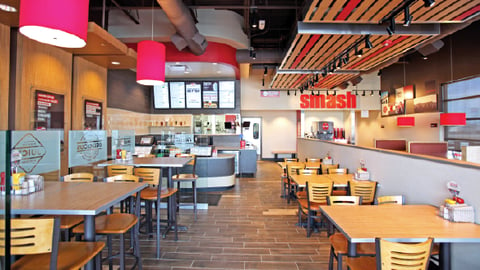
    Smashburger is getting on the right track when it comes to reducing its energy use. The fast-casual, fast-growing better-burger eatery has deployed a Web-based energy management system that helps it identify energy cost-savings while also providing a consistent level of comfort.

  • Energy Reduction: The Next Level

    It’s a common retail scenario: Last year, several sites deployed consistent schedules and set-points and also staged energy-consuming assets into groups that engaged at different times of the day. These executed measures led to significant kWh savings.

  • Prevention is Not the Security Panacea

    A pound of prevention (which in this case means the use of chip-based payment cards, encryption of data stored in the enterprise, and restriction of third-party network access) is not a complete cure when it comes to improved data security for retailers, according to panelists at the recent CIO Symposium at the MIT Sloan School of Management in Cambridge, Massachusetts.

    One complicating issue is that the “cloud” is becoming a “fog” as the Internet of Things continues expanding the range of devices that are online with IP addresses, creating new security liabilities.

    “IP ad

  • What the CFO Needs to Know: Facilities Management

    ▲ Customer experience: Poorly maintained stores cost sales and dilute the brand and customer experience. Not giving facilities the funding required to keep stores clean and in good condition will impact the bottom line in that customers will shop elsewhere. Today, more than ever, shoppers have high expectations regarding the look and feel of a store, and they also have many more options from which to choose.

  • What the CFO Needs to Know: Cloud Computing

    ▲ Cloud computing, the remote hosting of applications on virtual platforms for on-demand, Web-based delivery, is on the fast track. Analysts estimate that during the next six years, 90% of new spending on Internet and communications technologies will be on cloud-based technologies.

    Cloud computing (which at its simplest means storing and accessing data and programs on the Internet — the cloud — instead of a personal computer) is profoundly impacting how IT professionals implement, deploy and manage technology solutions.

X
This ad will auto-close in 10 seconds