Direct To Consumer (DTC)

  • Beauty start-up turns profitable

    Birchbox is no longer in the red.   The online subscription beauty retailer has achieved profitability, MediaPost reported, and is returning to television advertising with a spot that speaks to the joy the company’s monthly beauty box brings to its customers.   Founded in 2010, Birchbox had a tough 2016 during which it cut costs and laid off staff. But investments in technology and automation have helped it turn a corner.    
  • Struggling teen apparel chain invests in virtual stylist

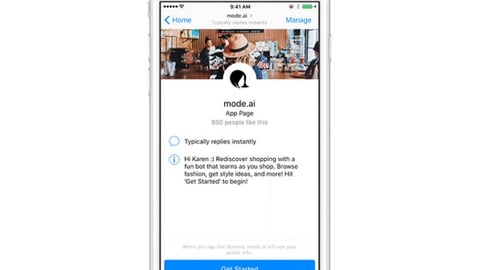
    Days after announcing it is closing hundreds of stores, Rue21 is taking steps to better connect with shoppers online.   Focusing on conversational commerce, the teen apparel retailer launched a personalized, interactive shopping experience via the chat-based Messenger app. Powered by mode.ai, the virtual stylist uses Messenger’s new Chat Extensions feature that allows users to interact with the shopping tool in group and one-on-one message threads with friends, the retailer said.  
  • Walmart adds online footwear domain site to its roster

    Walmart continues its online buying spree, but this time the target is a Web domain.   ShoeBuy.com, which Walmart acquired in January, has acquired the shoes.com domain name and related intellectual property for $9 million, according to documents filed with the Supreme Court of British Columbia in Bankruptcy and Insolvency. In an unexpected move, the Canada-based Shoes.com shut down its online sites and brick-and-mortar operations in January.   
  • Online giant granted patent to create on-demand clothing

    Amazon’s newest win could expand its foothold in the private-label apparel category.    The online giant won a patent on Tuesday, April 18, for an on-demand apparel manufacturing system. The solution includes a textile printer, textile cutter, and a computing device that will work in concert to design apparel once customers place an order.  
  • Amazon: Breaking Down Four Myths

    There’s no denying that Amazon has changed the face of retail, but there are many misconceptions about how the company actually operates. Many wrongly believe that Amazon makes most of its profits from e-commerce, while others incorrectly view Amazon as the long-tail poster child. Unfortunately, these fallacies are leading many retail companies into making bad strategic business decisions as they try to duplicate Amazon’s success.   The following is a breakdown of some Amazon myths along with a few takeaways: 
  • An architect’s take on building experiences

    Store closings are commonplace. Online shopping options grow. From time immemorial, stores were built with brick-and-mortar. Better materials for today would be innovation and experiences.    We in the field of store design are seeing some promising signs that an evolution is underway.   
  • French children’s clothing brand in U.S. debut

    Orchestra is entering the United States, both online and off.    The 23-year-old French children’s and maternity fashion brand has launched its first English language website. The retailer will make its U.S. brick-and-mortar debut, opening newborn/children's clothing store at King of Prussia Mall, King of Prussia, Pa.  
  • Cabela's revises deal with Bass Pro

    Bass Pro Shops has lowered its bid for Cabela’s.   Under the amended merger agreement, Bass Pro will acquire Cabela’s for $61.50 per share in cash for a total deal value of approximately $5.0 bil-lion. On October 3, 2016, Bass Pro has agreed to pay $65.50 per share in cash for Cabela’s in a deal valued at $5.5 billion.  
  • One Kings Lane to try out brick-and-mortar

    Online home furnishings and decor retailer One Kings Lane is set to open its first store, a summer pop-up.   The 3,500-sq.-ft. space will be located in the upscale resort town of Southampton, New York. It will be open Memorial Day weekend through Labor Day weekend, and offer an “immersive lifestyle experience,” the company said.  
  • Study: Shopping habits differ across generations of shoppers

    There is clearly a “generation gap” when it comes to how — and where — different customer segments choose to shop.   This was according to a recent study from Dealspotr, a crowdsourcing platform for savings. The firm launched an online survey among respondents across age groups, including Generation Z (20 and under), Millennial (21 to 35), Generation X (36 to 52), and Baby Boomers (53 and above), and monitored their visits to fashion-related areas across the Dealspotr website.  

X
This ad will auto-close in 10 seconds