

The Last Analog Problem Hiding Inside Stores: Old telephone lines
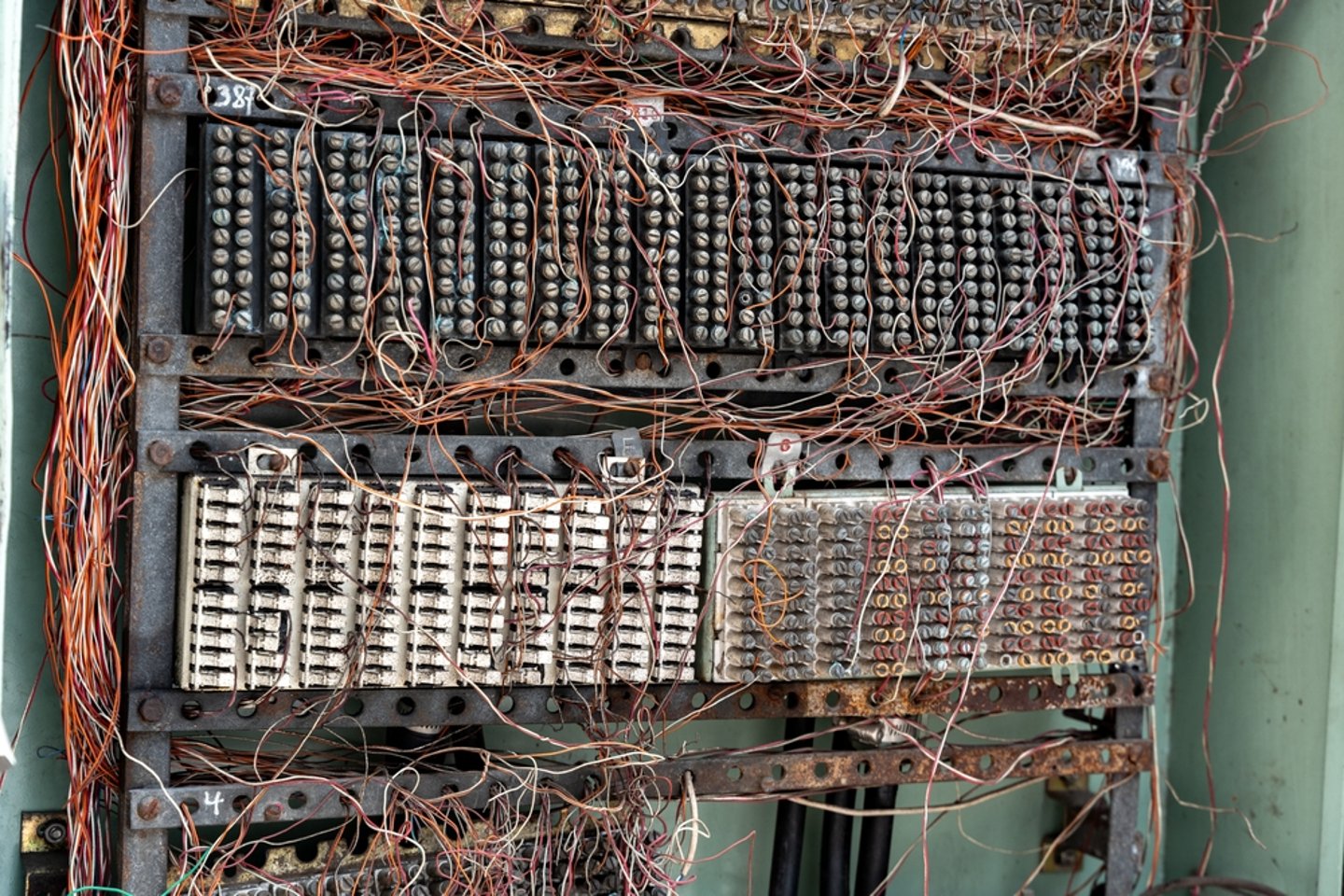
Walk into almost any major chain store today and very little about the experience feels analog.
Inventory systems operate in real time. Payments move through sophisticated digital platforms. Employees carry connected devices. Loyalty programs recognize customers across stores and channels.
Yet behind the walls of thousands of those stores, some of the systems that matter most can still depend on technology designed for another era: copper telephone lines. “Plain Old Telephone Service,” or POTS, survived the first waves of digital transformation because it worked.
As retailers moved their primary voice and data networks to newer technologies, copper lines were often left behind for specialized purposes, including fire alarm panels, burglar alarms, elevator emergency phones, fax machines and other systems that continued to rely on the connections they had used for years. That was reasonable when copper was ubiquitous, inexpensive and reliably maintained.
Those conditions are changing quickly. Carriers are retiring copper infrastructure as they shift investment toward fiber, wireless and IP networks, and for national retailers, the transition will not happen neatly all at once. Disconnect notices can arrive market by market and location by location, while rates continue to rise and repair resources and service levels become harder to maintain.
That makes copper retirement a major operational issue for retailers, not simply a telecommunications issue.
A company operating hundreds or thousands of stores cannot simply mark one shutdown date on the calendar and plan backward. One location may face a carrier notice while another remains unaffected. Another may have analog lines that are clearly documented, while another may have an old alarm or elevator connection that barely appears in the company’s technology inventory.
The first step is knowing exactly what remains.
Every analog line should be identified, matched to the equipment it supports and classified according to operational importance. A fax line sitting unused in a back office presents a very different problem from the line connecting a fire panel or elevator emergency phone.
For retailers, the consequences can reach well beyond IT. Facilities, loss prevention, risk, compliance and store operations may all depend on systems connected to these aging lines. When a specialty line fails silently, the problem may not become obvious until the system is needed.
Replacing copper also does not necessarily mean replacing every device attached to it. Modern POTS transformation solutions can preserve existing analog equipment while moving the communications path onto digital infrastructure.
Managed solutions can use broadband and cellular networks, provide battery backup and failover when a primary connection degrades. Centralized monitoring can also give retailers visibility into thousands of connections that once existed as scattered telephone lines and invoices.
That visibility matters because large organizations often accumulate communications infrastructure one store at a time. Different carriers served different markets, acquisitions introduced additional providers and local equipment stayed in service because replacing something that worked was difficult to justify.
Over time, a retailer can find itself paying multiple carriers for thousands of lines without a reliable picture of which ones remain necessary.
We have seen that firsthand at my company, MetTel. JCPenney managed approximately 5,000 POTS lines across 660 stores in every U.S. state and Puerto Rico, including specialty connections for alarms and elevators that could not simply be moved onto digital voice over IP.
The transformation we facilitated converted more than 5,000 telephone and alarm lines while giving the retailer greater network visibility and was projected to save millions of dollars annually in recurring telecommunications costs.
The JCPenney deployment shows why retailers should look beyond replacing individual phone lines and manage the transition across the entire store portfolio.
That means building a complete inventory, prioritizing life-safety and business-critical systems, testing replacement technology against the equipment operating in stores, validating cellular coverage, backup power and failover, and establishing a repeatable installation model.
From there, retailers can move through the portfolio in planned waves rather than waiting for individual carrier notices to dictate the schedule. Starting early also gives retailers more control over timing, costs and access to the equipment and qualified installation resources they will need as more organizations face the same transition.
Retail has spent the past decade connecting customers, employees, inventory, payments, fulfillment and stores themselves. Copper retirement is a chance to bring some of the remaining analog infrastructure into that same managed environment instead of continuing to treat it as an afterthought.
The old telephone line in the back room may seem insignificant compared with the technologies reshaping retail today. But if it connects an alarm, an elevator or another critical system, its importance becomes very clear when it stops working or the location fails the annual inspection. That could result in significant fines, legal disputes and even store closure by the fire marshall.
The copper era is ending store by store. Chain retailers should use that moment to do more than replace old lines and make the infrastructure behind every store as modern and visible as the business operating in front of it.

Max Silber is VP, mobility & IoT, at MetTel, a leading provider of digital transformation and communications solutions for enterprise and government clients, where he is responsible for the company’s mobility operations and business development initiatives.