
EXCLUSIVE Q&A: Carvana optimizes last-mile delivery

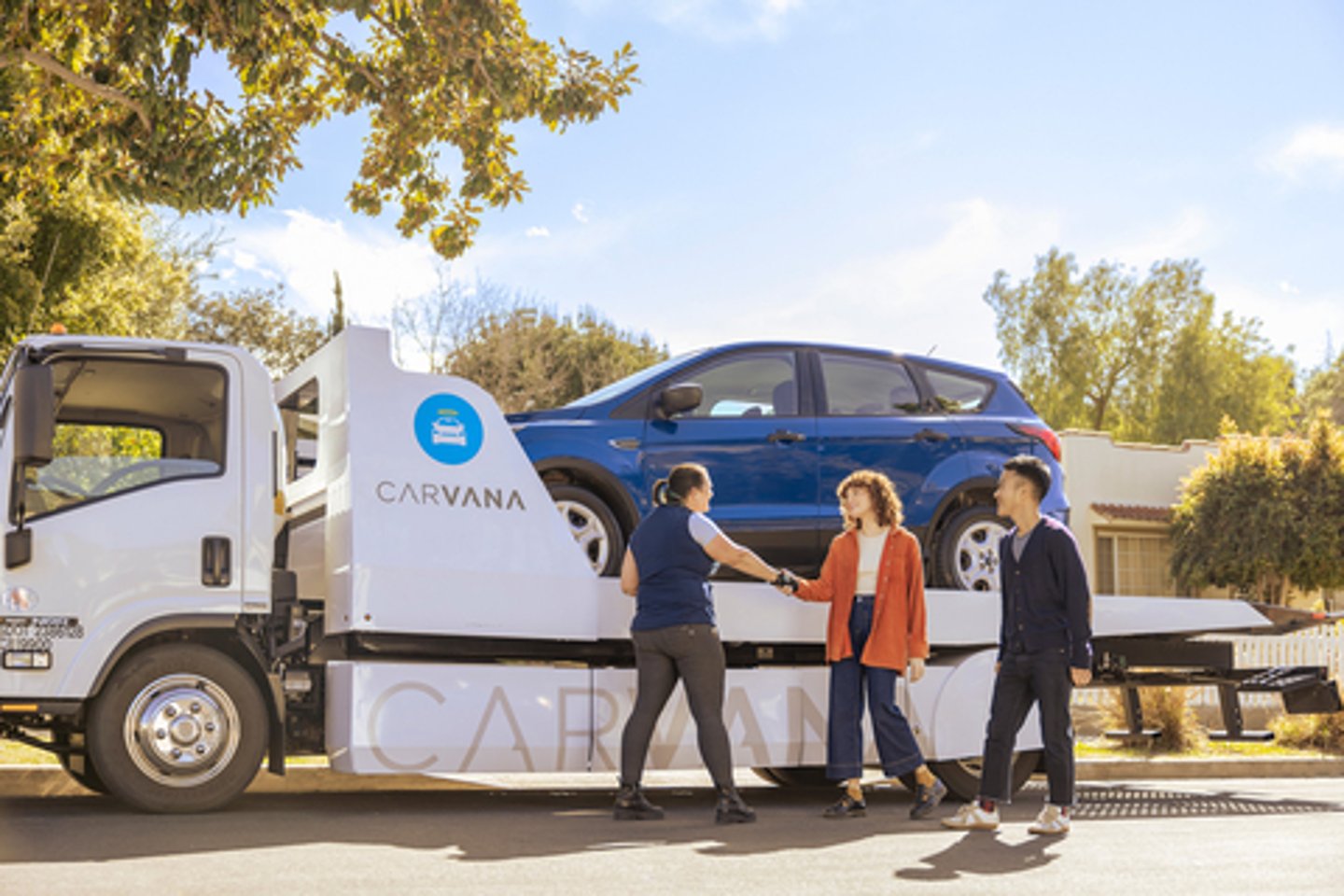
An omnichannel platform for buying and selling used cars is focusing on timely, accurate and efficient last-mile delivery.
Chain Store Age recently spoke with Patrick Kennedy, group product manager, fulfillment, Carvana, about the company’s last-mile delivery strategy and how it has been using artificial intelligence and telematics technology, including geofencing, from Motive to maximize last-mile performance and improve customer experience.
How does Carvana define last-mile delivery?
Last mile delivery encompasses all our activities where we're going from our Carvana hub to the customer. That includes delivering a car for sale to the customer or acquiring a car that we're buying from a customer.
[READ MORE: Carvana rolls out same-day delivery]
It could also be a trade-in situation where we're selling a car and then buying the car from them. Our fulfillment process for vehicles sold via our car vending machines is separate.
Why did Carvana decide it needed a new last-mile delivery solution?
We have been partnering with Motive for years now, using its electronic logging devices for our fleet assets and our haulers that we use for deliveries. What inspired us to partner with them on a last mile delivery integration was lack of visibility.
Carvana was flying blind as far as how long it was taking us to get to the customer, how long delivery personnel were spending with the customer, and any anomalies such as geographic and traffic issues.
How does the Motive solution work?
Motive electronic logging devices have geofence pings and integration points. Every two minutes, we get a ping from the hauler providing data such as precise location, speed, and odometer mileage.
Carvana then integrates that data with an in-house-developed system and uses it to form the story of what happened when we went to the customer and left the customer, and how long we spent with them.
Using that data, we create insights reporting to understand data anomalies and trends and provide a continuous feedback loop for our planning systems internally. Carvana also has some exception alert reporting for our centralized teams in the event of an incident such as a late departure.
For example, a driver that was delivering a car an hour late might have another three deliveries that day, and maybe we need to adjust those appointment times later that day or find somebody else to cover an appointment if we are already running late.
What benefits have you received from implementing this technology?
Since the Motive integration, we have a 10% increase in on-time deliveries within the promised three-hour window to the customer. Obviously, it's a bad customer experience when we don't hit that and we are striving to be at 100%.
We have also seen improvements in on-time departures. A lot of these improvements are coming from having a continuous feedback loop for our planning services. We can make adjustments to our planning services or assumptions, including for localized issues like delays from traffic or finding parking in the Bronx, and then make the schedules more feasible.
Are there any future last-mile delivery plans you can discuss?
We are always working on continuously, improving the Motive integration and increasing the amount of data we are getting from the solution, as well as how we're using that data. We are continuously improving the existing service to improve the customer experience.

