Corporate Governance

  • Five Items a Retailer Should Have in its Lease

    Changes in the retail landscape call for changes in lease agreements, as well

    With long-time anchors leaving malls, urgent care clinics moving into neighborhood centers, and online sellers applying pressure from all sides, retailers should take a new approach in structuring their lease agreements with property owners, say experts from both sides of the negotiations table.

  • Open-Air, Three Ways

    Three different centers, three different owner/managers, three different recipes for shaping open-air centers to local tastes

    Chris Ressa does not put a lot of stock in the word “experiential.” Though it’s become a companion to the word “retail” in the real estate industry, DLC Management Corp.’s senior VP of leasing finds it not up to the task of describing what’s too often missing at shopping venues.

  • Retail Transformation

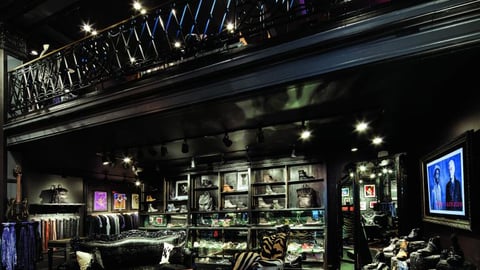
    Turning historic spaces into contemporary stores

  • Woodbury’s Anything but Common

    In the course of interviewing experts for this month’s open-air report, I heard two admiring references to Woodbury Common. It wasn’t the first time I’d heard the Simon Premium Outlet center used as an exemplar of traits modern retail should strive for — things like great customer experience, well-curated stores, and good food. I thought it time that I take a drive up to Orange County, N.Y., and see what all the fuss was about.

  • COO Reset

    Omnichannel environment places evolving demands, challenges on C-suite executives

    The transformation of retail from brick and mortar into a digital omnichannel environment has caused an evolution in certain key roles in the C-suite.

    Antony Karabus, CEO of HRC Retail Advisory, spoke with Chain Store Age about how the key role of the chief operating officer is evolving to enhance the transformation of retail companies in today’s more complex environment.

    What is the typical scope of responsibilities of a retail COO?

  • Spotlight on New Formats

    Two big retail names, Dollar General and Abercrombie & Fitch, recently unveiled new store formats that differ dramatically from their traditional concepts. Here’s a look at their new initiatives:


    Dollar General

    One of the nation’s fastest-growing retailers is putting the focus on convenience, targeting a new demographic with a smaller-store concept called DGX.

    Dollar General debuted the new format, which has 3,400 sq. ft. of selling space, in Nashville, Tenn. A second location is set to open in Raleigh, N.C.

  • Spotlight on Sign Management Management

    Retail signs have undergone a major evolution in recent years fueled by the adoption of digital technologies. Marilyn Brennan, business development manager at Egan Sign, spoke with Chain Store Age about the status of sign management in retail.

    What trends are you seeing with regard to retail sign programs?

  • Decoding the Code

    Newest ASHRAE standard reduces LPD allowances

    The ANSI/ASHRAE/IES 90.1 energy standard provides a model energy code to jurisdictions interested in regulating the energy-efficient design of commercial buildings. ASHRAE recently published the 2016 version, which supersedes the 2013 version.

    The U.S. Department of Energy recognizes the 2013 version as the national energy reference standard. Starting in October 2016, all states were required to have an energy code in place at least as stringent as 90.1-2013 or justify why they could not comply.

  • Trending Topics


    Apple’s Spaceship to Land


    Apple will open its highly anticipated new campus in April. Dubbed Apple Park, the site is located on a 175-acre site in Cupertino, Calif.

    The heart of the campus is a futuristic, ring-shaped, 2.8 million-sq.-ft. headquarters building that’s clad entirely in panels of curved glass. Designed in collaboration with Foster + Partners, Apple Park is powered by 100% renewable energy. With 17 megawatts of rooftop solar, the campus will run one of the largest on-site solar energy installations in the world.

  • Driving Unified Commerce — with Drones

    The quest to be a leader in unified commerce remains on top of retailers’ to-do lists. And those companies that tap the power of drones could be positioning themselves to become leaders in the game.

    A process that breaks down operational silos, unified commerce requires retailers to transform their organization, business processes and technology to align with customer demands. The result: the ability to drive a top-notch, frictionless, non-frustrating and valuable customer experience.

X
This ad will auto-close in 10 seconds