
Beyond Decor: Holiday environments key to memorable store experiences
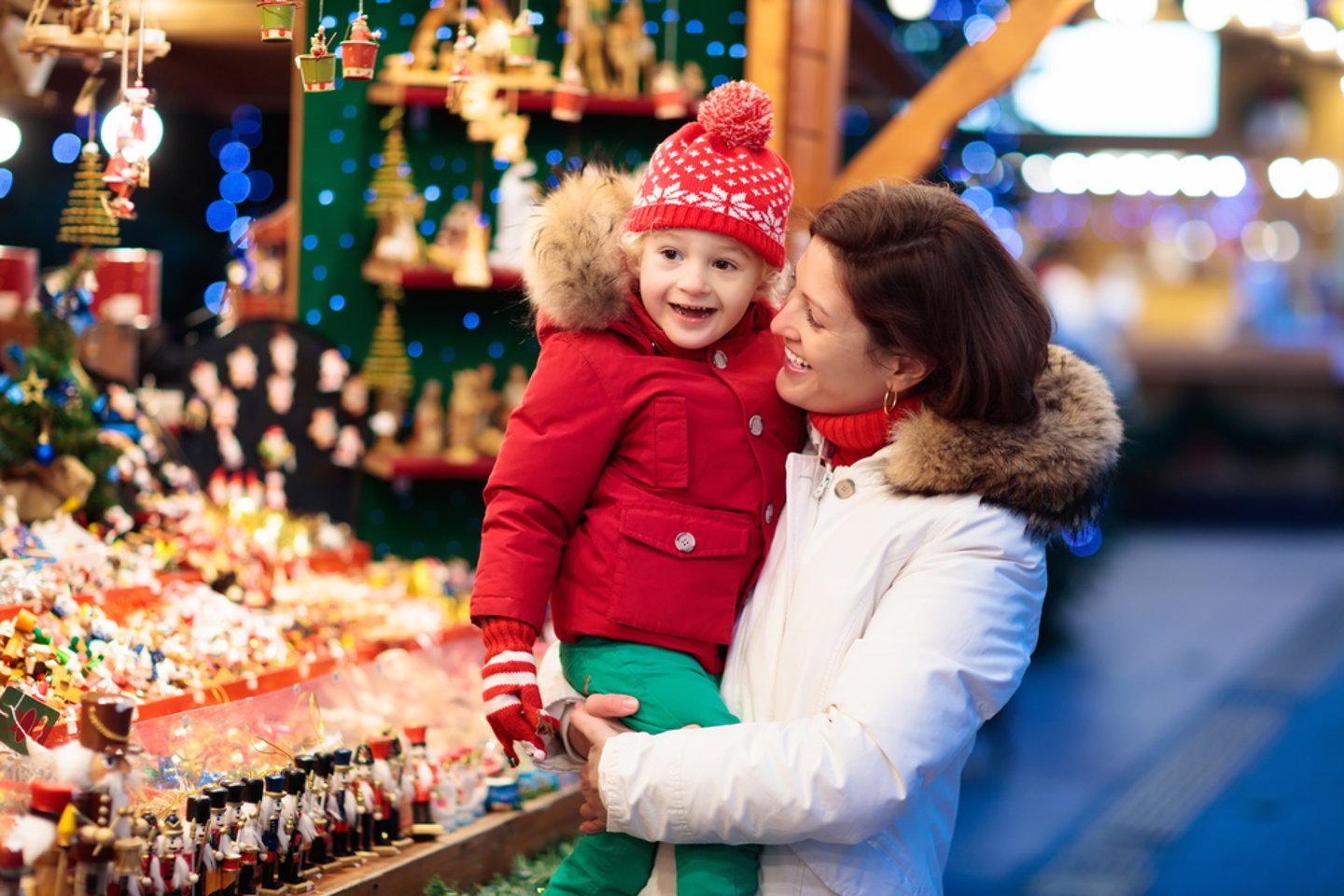
There is a reason holiday shopping still draws people into stores.
Beyond the gifts themselves, customers are looking for the atmosphere, energy and sense of occasion that make the season feel special. For retailers, this isn’t just a nice-to-have; it's a competitive advantage hiding in plain sight.
I’ve spent years creating designs for retail spaces, and one thing I’ve learned is that no part of a store is neutral. Every corner, aisle and transition point either adds to the customer experience or quietly takes away from it. During the holidays, that matters even more. Seasonal design has the power to turn ordinary areas into moments of discovery, giving shoppers a reason to slow down, explore, and remember the store long after they leave.
Seasonal design has become a retail strategy, not a decor task
The shift happening among retailers right now is significant. Holiday atmosphere used to mean putting up a tree and hanging some lights. Today, the most effective retailers are treating seasonal design as one layer of an integrated customer experience — one that amplifies brand identity, influences behavior and drives return visits.
That's because shoppers don't just see a holiday environment. They hear it, smell it, and feel it. Music, scent, lighting, texture, and spatial design all influence mood in measurable ways. And when those elements work together, they can extend time spent in store, which can encourage higher customer spending.
The retailers who understand this aren't asking, "How should the store look for the holidays?" They're asking, "What should the customer experience during the holidays?" That's a fundamentally different question, and it leads to better results.
What separates memorable from merely decorated The goal isn't to make the environment bigger or more elaborate. It's to make it more intentional and memorable. The best holiday environments have a clear story, a genuine connection to the brand, and an emotional hook that gives the customer a reason to engage.
Nordstrom's "Oh, What Funhouse" holiday experience is a prime example of this. Rather than layering decorations across the store, the environment was structured as a sequence of five sensory zones, with customers moving through the space by listening, smelling, touching, seeing, and tasting. The result wasn’t a nicely decorated store but a destination with each zone serving a unique purpose.
Holiday design can transform transitional spaces such as aisles, corners or department entrances into moments of discovery. A well-placed visual cue can pull a customer into a department they would have walked past or introduce them to a product category they didn’t know they needed.
There is no single highest-impact location in a store — the opportunity is the entire journey.
The trend retailers are leaning into this season
This year, the design trend resonating most strongly with retailers is what Ambius calls “Refined Christmas Classic”-maximalism and nostalgia expressed through a more intentional, brand-specific lens.
Think traditional reds and greens, vintage-inspired ornaments, Santas, nutcrackers but interpreted through unexpected color combinations, premium materials and contemporary styling.
The reason it is working is straightforward: customers already love these references, and emotional familiarity is already built in. The retailer's job is now to take what customers recognize and express it in a way that feel fresh, on-brand and specific to their store. That balance between the familiar and the elevated is where the strongest holiday environments live right now.
Where this is headed?
Holiday retail design will continue evolving from a once-a-year project into a flexible experience system. Seasonal environments will increasingly be designed to reward repeat visits — giving returning customers something new to notice across multiple trips, making the store feel alive throughout the season rather than static from day one.
The retailers who get ahead of this shift will be the ones who stop treating holiday design as a decorating task and start treating it as a customer experience strategy. The physical environment is one of the few levers a brick- and-mortar retailer still controls entirely.
Used well, it does not just set a mood — it drives behavior, builds loyalty and gives shoppers a reason to come back.

Janice Nath is a design consultant at Ambius, which designs and installs holiday environments for retail stores. She has 34 years of experience in interior landscaping, including nearly 30 years with Ambius.