
Preparing stores for the seasonal surge
Retailers are heading into the busiest stretch of the year, with November and December accounting for roughly 19% to 30% of total annual retail sales. This puts higher demand and pressure on frontline teams as the holiday season approaches.
The retailers most prepared for the seasonal surge will be those that train temps effectively and establish strong lines of communication between frontline employees, managers, security and back-of-the-store functions, using technology to keep everyone and everything connected.
Preparing Employees for the Realities of the Retail Floor
According to Bain & Company research, during the period of November to December, U.S. retail sales are expected to grow 4.5% year over year, crossing the $1 trillion threshold for the first time.
Yet, despite the expectation for growth, seasonal U.S. retail hiring in Q4 2026 is expected to fall 2.5% year over year. That means retailers must ensure that those hired can learn fast and handle more responsibilities on the floor. These temporary employees might receive the same formal training as full-time staff, but that does not mean they will remember every process or know how to handle every customer request in the moment.
An inexperienced employee in a busy store may not know how to answer simple questions, such as helping a customer find an item or determine whether another size is available. A seasonal hire is more likely to track down a manager for answers, which slows the customer down, pulls employees away from their responsibilities, and creates delays that can ultimately impact the entire shopping experience.
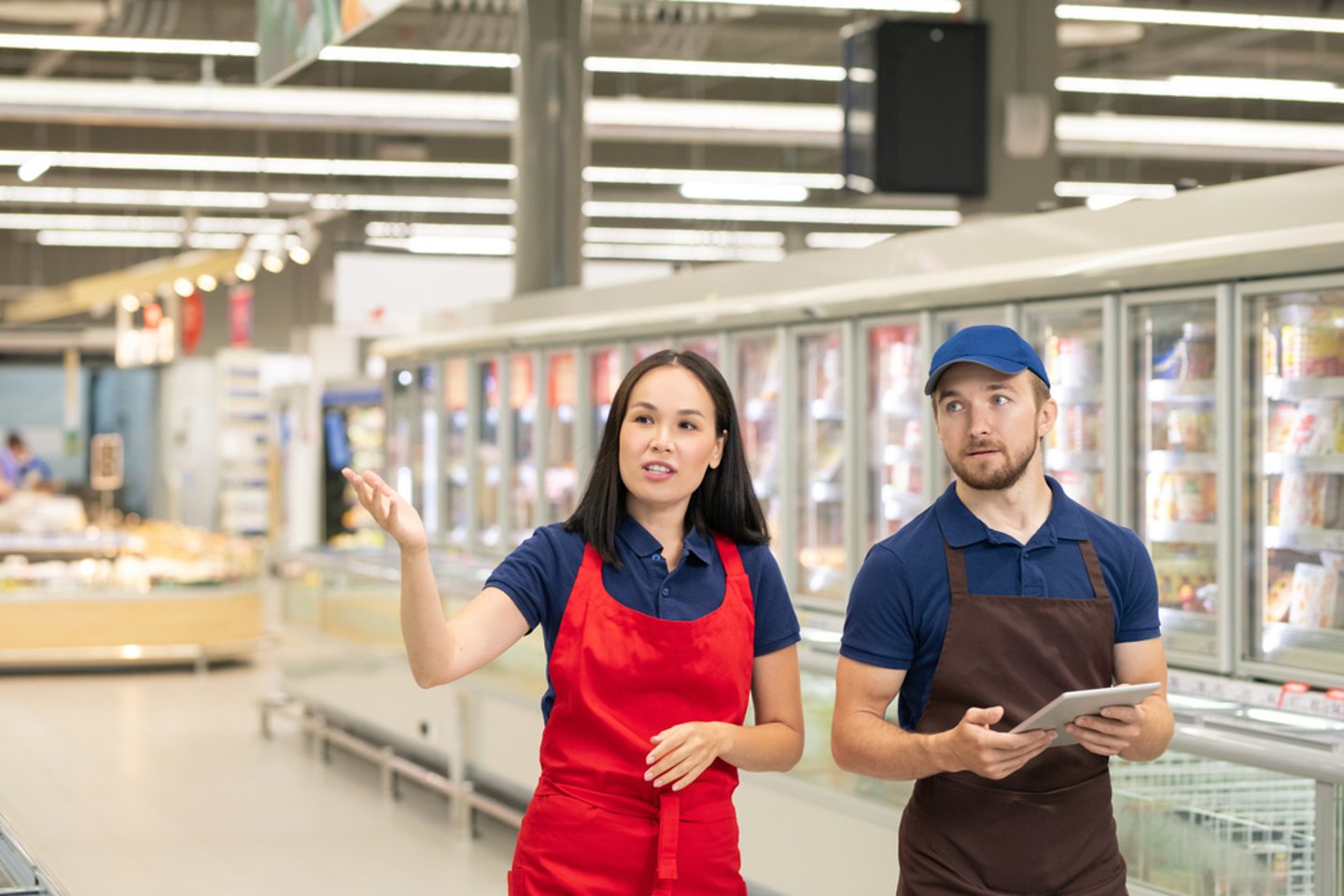
Retailers need to lean into their frontline employee communication technology, such as connected headsets, to counter these friction points. Instead of leaving the shop floor or relying on store intercoms, they can quickly contact a colleague or manager, ask a question and get the information they need while continuing to serve the customer.
This type of technology can assist with external customer calls too. With more than 60% of customers preferring to contact companies by phone, retailers cannot afford to let calls go unanswered. Integrated telephony features route external calls directly to associates' headsets while they are on the store floor. Employees can answer without disrupting their current tasks while speaking with the customer. If they need additional support, they can transfer the call to another colleague at the push of a button.
Instead of treating the phone, headset and store team as separate systems, retailers can connect them so communication becomes part of a unified workflow. These technologies can also give retailers another much-needed layer of support for loss prevention and incident response.
Using Connected Technology to Support Loss Prevention
When there is a significant delta between foot traffic and staff members, the risk of poor customer experiences rises alongside other challenges. Shoplifting remains a significant holiday season challenge for retailers, with heavier foot traffic and crowded stores creating more opportunities for theft while making it harder for security teams to monitor every part of a store.
Beyond theft, busier stores mean that retailers also need to be prepared to respond quickly to a higher frequency of incidents involving the safety of employees and customers. According to a recent VoCoVo survey, 84% of shoppers report witnessing verbal abuse toward retail staff, while 22.8% have seen physical altercations.
These incidents can have a ripple effect beyond the employees directly involved: 17.2% of shoppers say they have abandoned their shopping altogether, while 32.9% continued shopping but felt deeply uncomfortable after a situation occurs.
Store safety isn’t just a workforce issue, as it directly influences the customer experience and the overall store atmosphere.
To resolve this, retailers can integrate their connected headsets with smart CCTV systems to send automated alerts directly to security when cameras detect suspicious activity. This gives teams the information they need to respond quickly without requiring an associate to manually trigger a public alarm, confront a shopper, constantly monitor every camera feed or create unnecessary disruption.
Access to the store cameras also gives workers a bigger picture view of the store so frontline teams can identify and address operational issues before they affect the customer experience.
Keeping the Store Running Smoothly
Inventory management and stocking in particular becomes even more challenging during the seasonal rush. Items sell faster, and with buy online, pick up in store (BOPIS) options in most major chains, that inventory can fluctuate dramatically. Connected communication technology can bring inventory issues directly to employees’ attention in real-time.
Much like CCTV systems, smart shelving and inventory technology can integrate with headsets to alert associates when products need replenishing, helping teams keep shelves stocked and products available to customers. Connected fridge and freezer monitors can similarly notify teams when temperatures move outside the appropriate range or when equipment requires attention. By putting these alerts directly in the hands of the people who can act on them, retailers can resolve issues faster and keep the store running smoothly.
During peak season, that can mean less time spent identifying problems and more time resolving them, helping employees keep products available and the store operating efficiently.
The holiday rush will always create pressure for retailers. More customers, more transactions, more stock movement and more seasonal employees inevitably add complexity. Technology cannot eliminate that complexity, but it can give teams the tools to manage it more effectively.
When frontline employees can quickly connect with managers, security, inventory teams, and other store functions, issues can be addressed where they happen rather than passed from one team to another. Approaching the busiest period of the year, the ability to communicate quickly will enable retailers to be best prepared for the seasonal surge.

Paul Birkin is CTO of telecommunications services provider VoCoVo.