
Amazon rolls out new features, solutions for its delivery drivers

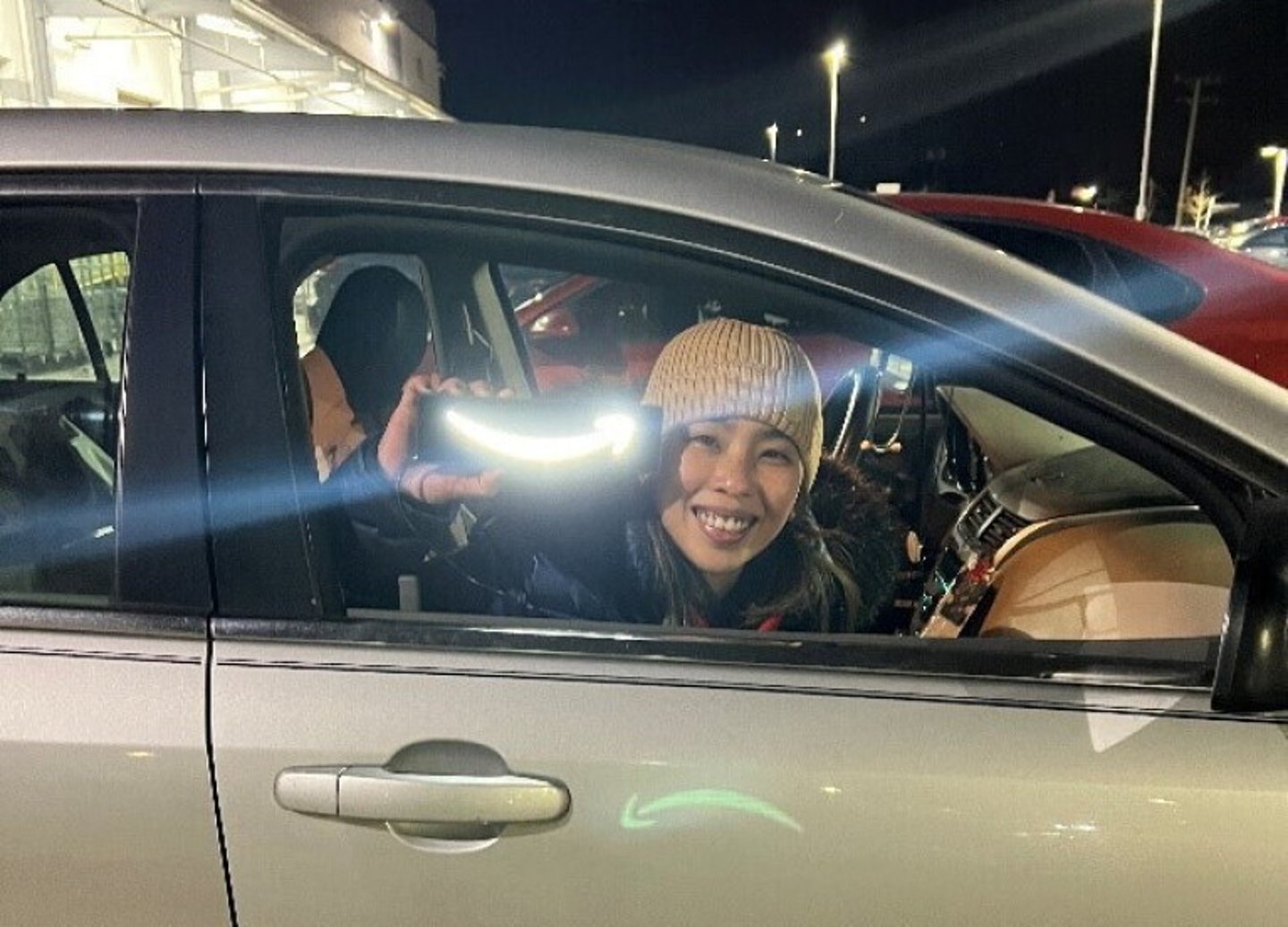
Amazon is introducing several new tools to help make the work of its delivery drivers safer and smoother.
The online retailer is introducing five new functions, some of which it has been piloting, designed to the improve the experience of delivery contractors in its Delivery Serivce Partner, Amazon Flex and Amazon Hub Delivery programs.
The new features include "Amazon Smile" lights, small, portable lights in the shape of the Amazon smile logo that can be affixed to a vehicle’s dash or sun visor to indicate that the vehicle is making deliveries. Amazon has also designed decals to attach to the side of a vehicle to further indicate the driver is delivering Amazon packages.
In another new add on, a new feature in the delivery app automatically notifies some customers before the driver’s arrival, reminding them to secure pets and prepare a safe and well-lit environment for delivery. This expands upon an existing feature that enables drivers to send similar push notifications.
Other new features are listed below.
•A driver profiles feature allows customers to view the first name and photo of the driver responsible for their package directly on their order details page. These details appear in the Amazon app once the driver is 10 stops or fewer away from making their delivery. A related vehicle profiles feature is designed to display the make, model, and color of the driver’s vehicle in the Amazon app
•Delivery drivers use a smartphone app to complete their routes. The app includes the number of stops and the number of packages that need to be delivered at each of those stops. Amazon has streamlined the delivery app in an effort to let drivers complete each stop with fewer taps, using artificial intelligence to automate actions and make the app simpler and more intuitive to use.
•Amazon is now showing drivers a photo of the ideal location to drop off a package based on past successful deliveries. When a driver captures a delivery photo, Amazon utilizes computer vision to check that the photo matches prior photos associated with successful deliveries at that location to guide the driver.
Amazon also recently announced it will invest another $1.9 billion in the DSP program, which provides support to employees who leave their jobs to build their own contract delivery businesses in 2027, which will help DSPs increase the pay of their workers to a national average of nearly $24 per hour.
[READ MORE: Amazon to invest $1.9B in delivery contractor pay, safety, AI in 2027]
Amazon is rolling out new surround-view cameras that identify vehicles, cyclists, and pedestrians from all directions and notify delivery drivers. By the end of 2026, Amazon expects this technology will be installed in 50% of Rivian electric delivery vehicles across the DSP network.
The online retailer is also launching new dynamic hazard alerts in the Amazon delivery app, so drivers get real-time notifications about accidents, road closures, and construction ahead on their route. In addition, navigation will now automatically adjust routes during inclement weather or when hazards are detected, without the driver having to take any action.
In addition, Amazon is using advanced artificial intelligence techniques to identify driving trends that are more likely to lead to accidents and surfacing these insights to DSPs so that owners can provide early coaching for their teams. The company is also investing in AI-based routing technology that dynamically adjusts for real-world conditions, accounting for considerations such as reduced visibility after sunset, or the extra time a downtown delivery might need to find parking during busy lunch hours.
Other AI-related efforts for DSPs include upgrades to wearable smart glasses technology, designed to serve as a driver’s companion throughout the delivery process, which Amazon first announced it was developing in October 2025. The glasses use computer vision to display real-time navigation suggestions and delivery details directly in a driver's line of sight, creating a hands-free experience.

