
When snow removal works, nobody notices
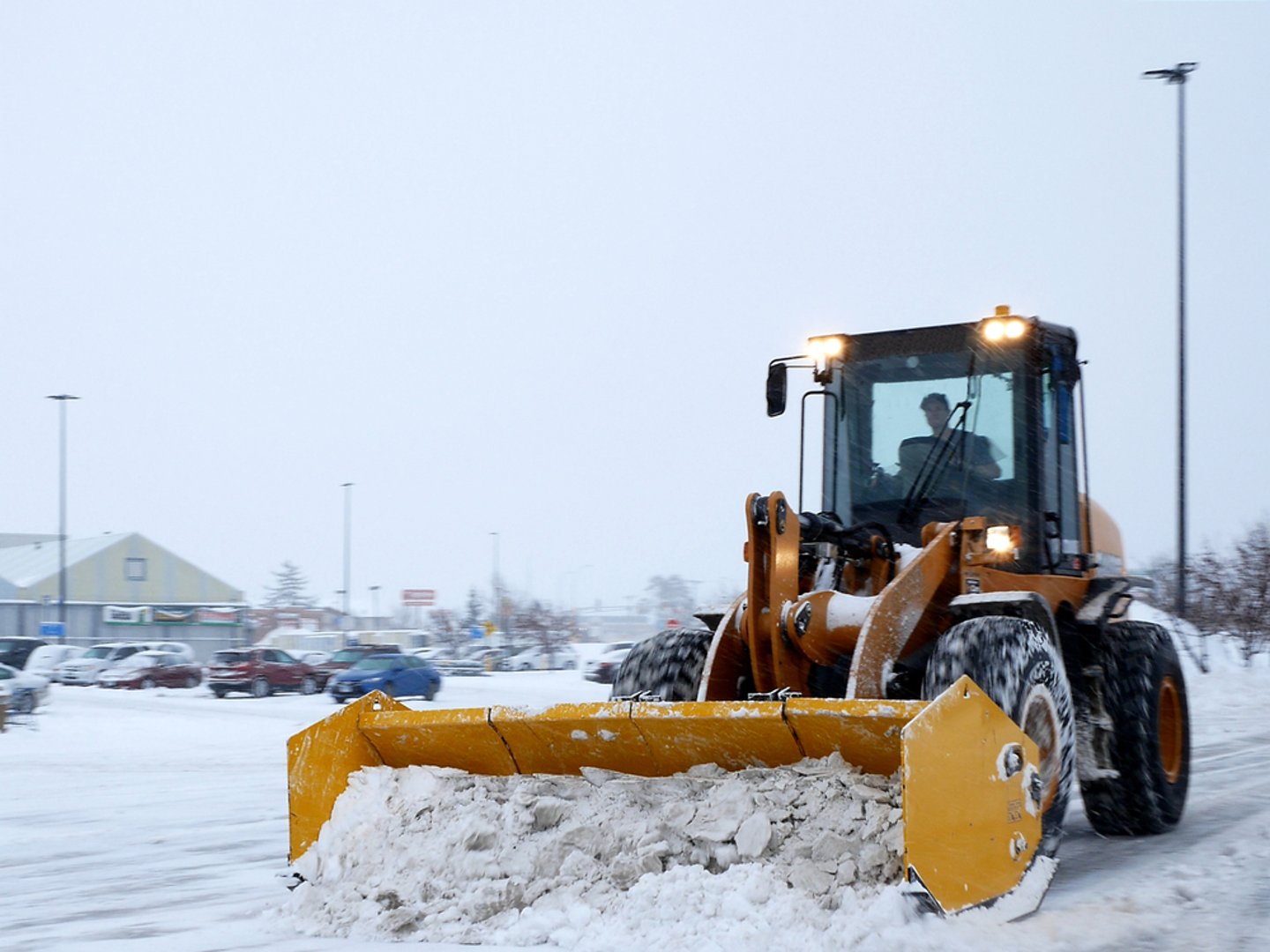
Nobody thanks the facilities team for a sidewalk they didn’t slip on. Nobody posts about the lot that was clear at 6 a.m. on Black Friday. That’s how you know it worked.
I’ve spent years working with retail facilities teams, and the winters that go well get decided in October, not in the middle of a storm.
The stakes this year are big. The National Retail Federation expects holiday sales to pass $1 trillion, and retailers plan to hire up to 375,000 seasonal workers. Every one of them walks in from the parking lot. Holiday hours make it harder. Stores open earlier and close later, so lots have to be safe for more of the day. And snow doesn’t check your calendar. It can just as easily show up the Saturday before Christmas, a few hours before the doors open.
Make sure your scope covers four things
When service starts, and when it has to be done. Your scope should say what snow depth starts service and what time every store has to be open and safe. “As soon as possible” is not a time.
What gets cleared first. Entrances, sidewalks, fire lanes and accessible parking come first. Then the drive lanes. Then the rest of the lot.
How salt is handled. Who supplies it, how much goes down and how it’s billed. Salt is cheap until it shows up on an invoice.
Your holiday hours. Every early open and late close, store by store. If a store opens at 6 a.m. on Dec. 23, the lot needs to be clear by 5:30.
Four ways holiday storms go wrong
Every store calls its own vendor. Fifty stores, fifty phone numbers, fifty ideas of what “cleared” means. Nobody can see the whole picture, and prices are all over the place.
The lot is clear but the sidewalk isn’t. Plows are fast, so the lot gets done first and looks finished. But customers don’t fall in the drive lane. They fall between their car and your front door.
Nobody can prove what was done. When a slip-and-fall claim shows up months later, the first question is when that site was last cleared and what was put down. “I think Tuesday” won’t help you, and these claims aren’t small.
Verisk found the average general liability claim grew from about $70,000 in 2020 to about $101,000 in 2024, with injuries driving most of the increase. Ask for a time-stamped check-in tied to the site’s location and before-and-after photos from every visit.
Snow melts, then freezes overnight. Piles melt in the afternoon and refreeze after close. Someone has to come back and re-treat walks before opening, and your scope should say who and how it’s billed.
One clear scope for every store
Set one standard for all your stores, then list the ones that are different, like the store with a steep ramp or the one that opens at 4 a.m. Get it right once so nobody has to figure it out again in the middle of a storm.
Then give every store manager the same number to call. A storm is a bad time to look up which vendor covers which store.
During the storm
Know where every store stands. Ask your provider to show you, store by store, which sites are done, which are in progress and which haven’t started. Fifty calls to fifty store managers is not a status report.
Tell store managers what to expect. They should know when the crew is coming and what gets cleared first. A store manager who knows help is on the way doesn’t go hire someone else.
Have a backup. In a big storm, every plow in town is spoken for. Ask who covers a store if the assigned crew breaks down or falls behind, and how fast.
Get the scope right before the first storm, and this winter nobody will notice. That’s the goal.

John Brocklebank is CEO of Thistle Facilities Group (thistlefacilities.com).