
Survey: Unexpected fees tops list of returns’ pain points

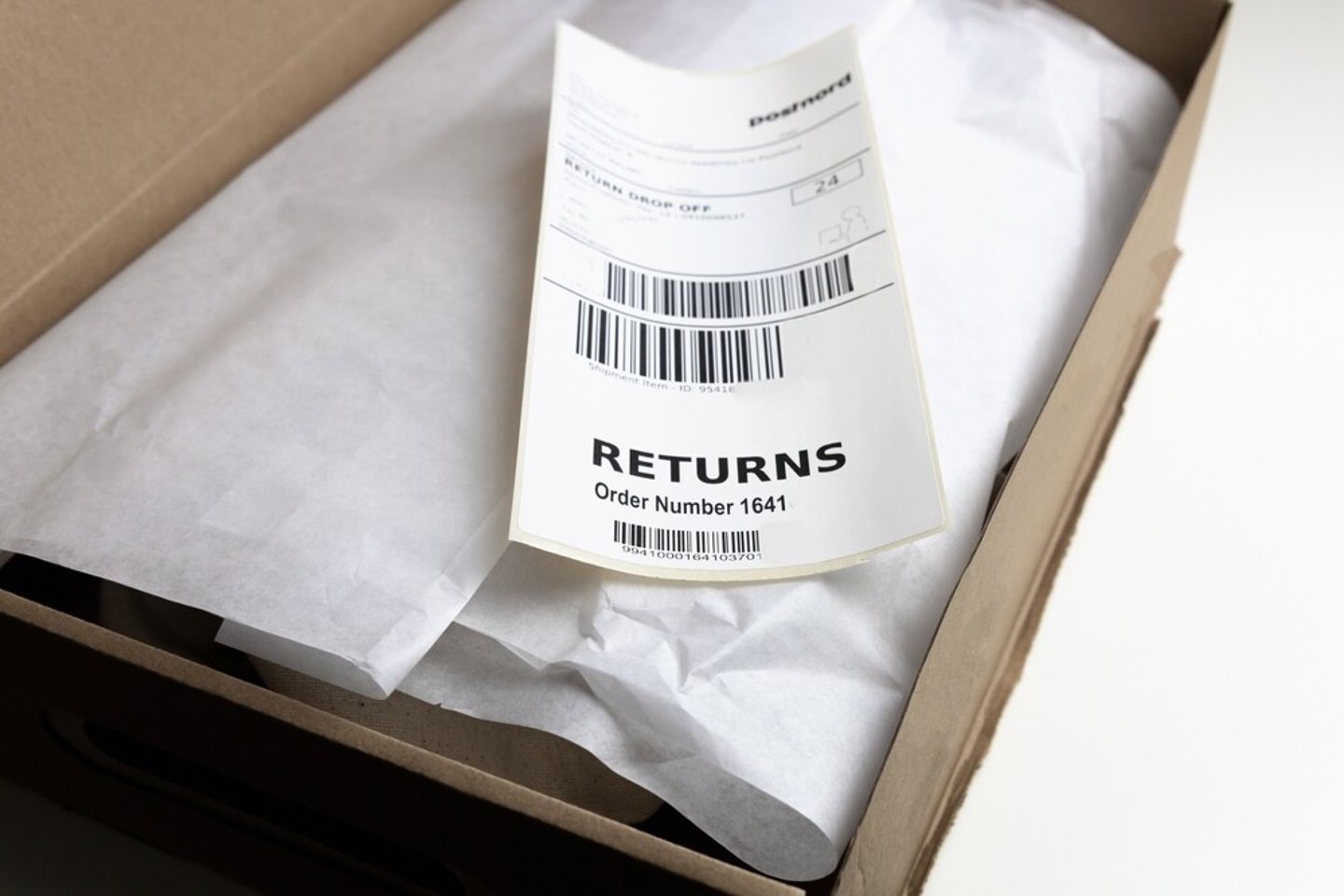
Shoppers expect — and want — returns to be routine, but the reality is sometimes different.
Breakdowns in the speed, transparency and resolution of returns are eroding trust and, in many cases, pushing customers away from brands altogether, revealed a new survey from AI-native customer experience company Ada. More than half (57%) of consumers say a poor returns experience would impact their likelihood of purchasing from that brand again, regardless of past loyalty.
Many consumers report being “somewhat satisfied” with returns, but only 36% say they are “very satisfied” with the returns process, leaving significant room for improvement and little margin for error.
The most common pain points for consumers include unexpected return fees (42%), shipping inconveniences (41%) and unclear return policies (32%). During the holidays and high-volume periods, these issues create customer experience bottlenecks and increased pressure on support teams, the survey said.
Customers have multiple options for how to make a return, and overwhelmingly they gravitate towards options that are fast, low-effort, and flexible. Self-service return options are the most preferred channel (31%), followed by in-person (23%).
AI
The survey found that 45% of consumers already feel comfortable using AI to handle returns, coupled with another 29% that are neutral.
Other AI-related findings are below:
•Although currently only 12% of consumers prefer chatbots, when asked about the future, they became more optimistic. Over half (60%) said they would be likely to use an AI agent if it could instantly answer questions and process a return, highlighting demands for speed and accuracy.
•The top concerns consumers have about AI handling returns include that it will be less efficient than a human agent (24%), won’t understand their issue (22%) or will provide inaccurate information (21%).
•Thirty-five percent of respondents say they only want a human involved after one failed AI interaction; only 31% want human support immediately.
“Our research shows that what is most important to customers, above and beyond anything else, is to have a frictionless experience that results in a quick resolution, said Mike Murchison, CEO and co-founder of Ada. “Agentic experiences are the fastest way to deliver on that.”
Methodology
The survey of 1,000 U.S. consumers aged 18 and older was commissioned by Ada and conducted by Dynata in January 2026. The study explored consumer attitudes toward AI customer service, general sentiment, and the pain points associated with both online and in-store returns during the 2025 holiday season.