Survey: Price hikes have consumers trading down; most vulnerable categories are...

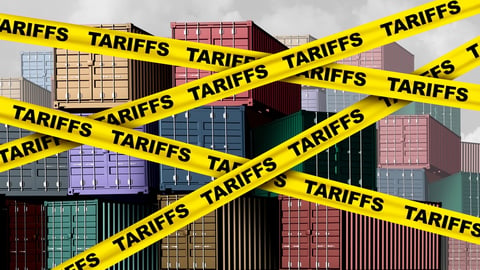
A majority (68%) of U.S. consumers believe they are shouldering the cost of tariffs, and most are responding by trading down as opposed to walking away.
Nearly half of consumers say they are already paying more than what they think is acceptable, with apparel, durable goods and beauty products most at risk, according to global strategy consultancy L.E.K. Consulting's survey, “Tariffs at the Checkout: How U.S. Consumers Are Reacting to Price Pressure.” The vast majority foresee no improvement in their finances and expendable income over the next 12 months
Durable goods top the list (61%) of items consumers believe they’re already paying more for than what they think is acceptable, followed by apparel/footwear/accessories (57%) and autos and vehicle products (50%). Half (50%) feel that way about beauty products, followed by pet food and supplies (48%) and groceries (46%).
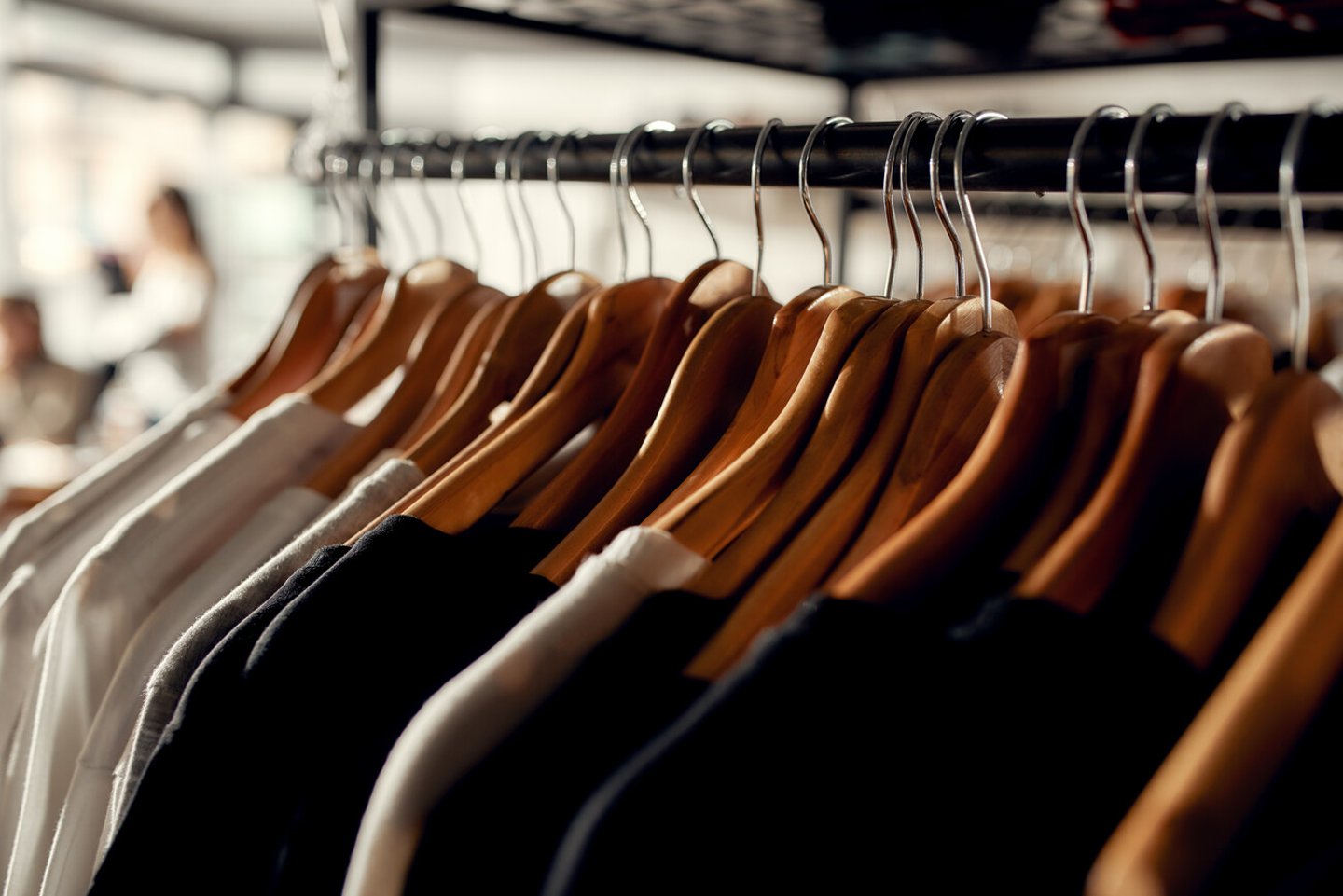
In response to higher prices all around, 74% of Americans anticipate reducing spending on apparel, shoes and accessories; 68% on major household goods; 63% on beauty products; 50% on cars and related products, and 46% on personal care products, according to the survey. And significant percentages report they'll spend less on groceries (37%) and pet food and pet supplies (27%).
“Interestingly, consumers plan to navigate high prices and to cut spending by trading down to lower priced brands in a number of categories, instead of just curtailing purchases — a phenomenon that consumer companies should be monitoring closely," said Laura Brookhiser, managing director at L.E.K. Consulting and co-author of a related L.E.K. article.
Trading Down
The overwhelming majority (83%) of consumers reported that they'll buy lower-priced durable household brands or products; 60% said they'll buy lower-priced clothing, footwear and accessory brands or products; 83% anticipate buying lower-priced auto and auto-related brands and products; and 71% say they'll buy lower-priced personal care brands and products.
As to how companies should respond, the most effective brands and retailers will seek to set prices to reflect the benefits that consumers actually feel rather than simply adding a cost mark-up or matching the market, which has been customary at some companies, noted Rob Haslehurst, managing director at L.E.K. and article co-author.
“They will work hard to thoroughly understand the essential qualities that define the value proposition of the brand so they can ensure the price is right," he said. "This approach will enable the company to maintain its margins in places where genuine differentiation exists, for instance, sustainability credentials or limited-edition collaborations. It also will help the brands signal fairness to the customer and enable them to flex prices by channel or consumer cohort.
L.E.K. Consulting conducted a pulse survey of a nationally representative, demographically balanced sample of approximately 2,000 U.S. adults during summer 2025 to assess evolving consumer perspectives on tariffs since April. The survey can be found here.