Numerator: Most consumers still plan to make tariff-related spending changes

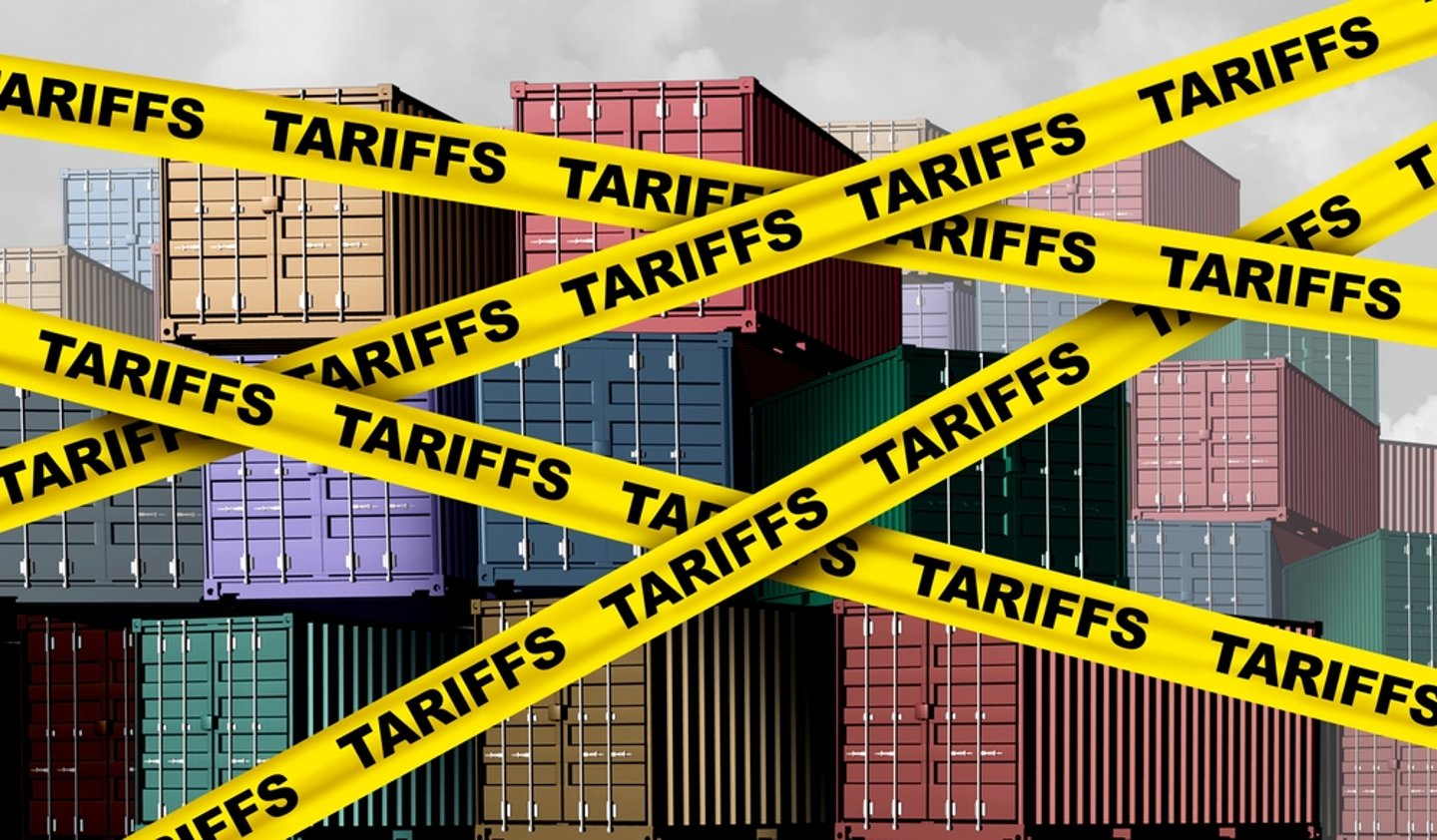
Even months after new tariffs on imported goods were initially announced by the Trump Administration, they are still top-of-mind for consumers.
More than three-quarters (77%) of U.S. shoppers say they’re aware of new or proposed tariffs, according to new survey data from Numerator, with awareness peaking in April before slowly falling to 71% by early July. Despite high awareness, only about a third (36%) of shoppers say they fully grasp how tariffs affect prices, while nearly half (47%) have a general idea but lack details. Fifteen percent of those surveyed admit to having little-to-no understanding of the issue.
The overwhelming majority (87%) of consumers are concerned about the impact of tariffs on their finances and shopping, with more than six-in-10 (63%) worrying that tariffs will raise the price of everyday goods. General inflation (59%) and higher prices on non-essential items (48%) are also top tariff concerns for consumers, along with worries around limited product availability (45%), the impact on the stock market (34%) and slower economic growth (30%).
Numerator’s survey found that shoppers worry most about tariff-related price increases in essential categories like groceries (58%), household goods (43%), gasoline (40%) and medications/medical supplies (36%). A large majority (82%) of consumers said they anticipate making changes to their shopping habits in response to tariffs, such as cutting back on non-essential spending (47%), looking for sales or coupons to offset tariff price increases (42%), delaying non-essential or big-ticket purchases (32%), or switching to lower-priced retailers or discount stores (29%).
[READ MORE: Trump ends tariff loophole for low-cost shipments]
Four-in-10 (41%) consumers surveyed by Numerator said they think tariffs in general have pros and cons depending on how they’re implemented, while 25% think they’re harmful and 23% think they’re helpful. Many Americans (60%) also believe opinions on tariffs are largely shaped by political affiliation.
Nearly a third (32%) of consumers support the current tariffs, 22% feel neutral or have no opinion, and 45% oppose. Opinions are stronger on the negative side, with those who “strongly oppose” outnumbering those who “strongly support” 30% to 13%.