Survey: Nearly half of consumers engage in retail therapy to improve mood

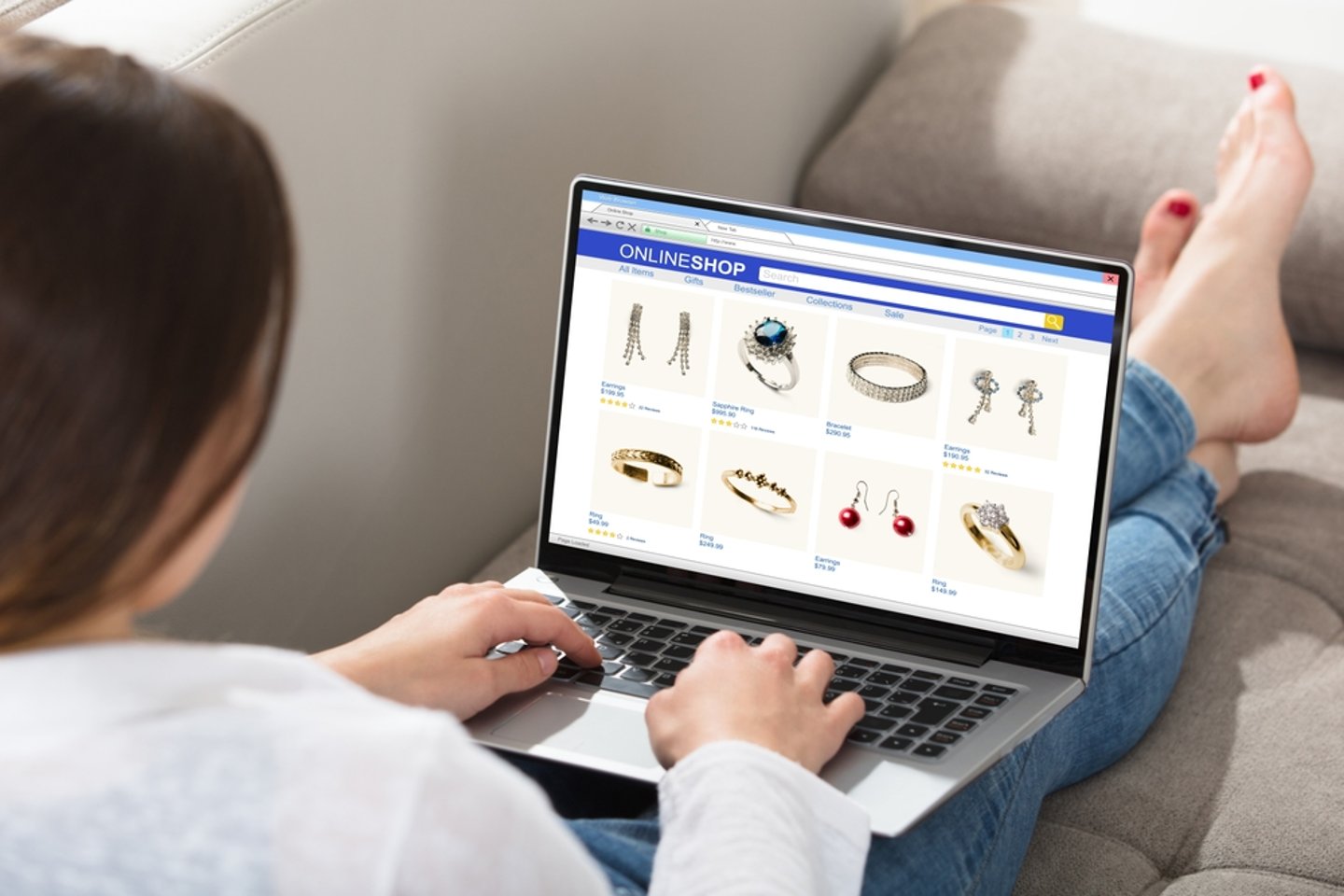
While many consumers are attempting to curb spending amid stressful financial times, retail therapy is the answer for some — with the habit fueled by buy now, pay later options.
Nearly half (47%) of consumers engage in retail therapy to improve their mood, with the most common purchases being food (63%), clothing and accessories (54%), and personal care or beauty products (42%), according to a new survey from LendingTree, Overall, 54% of Americans consider retail therapy a form of "self care."
More than six-in-10 (63%) Americans admit that their emotions influence their purchases, with the percentage particularly high among six-figure earners (72%), those with children younger than 18 (70%) and Gen Z respondents ages 18 to 28 (69%).
More than half (52%) of emotional spenders say that buy now, pay later programs have made them more likely to engage in emotional spending. Younger shoppers (62% of Gen Z and 55% of millennials) are more likely to utilize these payment options.
“Buy now, pay later is definitely something that emotional spenders can get themselves in trouble with because these loans are so easy to get,” said Matt Schulz, LendingTree chief consumer finance analyst. “They’re far more accessible than even store credit cards, so the possibility of overspending is very real.”
Nearly four-in-10 (38%) of those surveyed say the stress of current economic uncertainty has made them spend more, and almost half (46%) believe emotional spending is normal.
[READ MORE: Survey: Consumers looking for more discounts, buying fewer non-essentials to save money]
Nearly three-quarters (74%) of emotional shoppers say it has led them to overspend, and 44% say it’s negatively impacted their financial well-being. That figure is especially high among millennials (50%) and Gen Zers (49%). More than four-in-10 (43%) emotional spenders have gone into debt because of it, and 69% have regretted acting on their emotions in this way.
For its report, LendingTree commissioned QuestionPro to conduct an online survey of 2,000 U.S. consumers ages 18 to 79 from June 2 to 3, 2025. The full survey results can be found here.

