Survey: How SNAP recipients, frequent grocery shoppers are cutting back

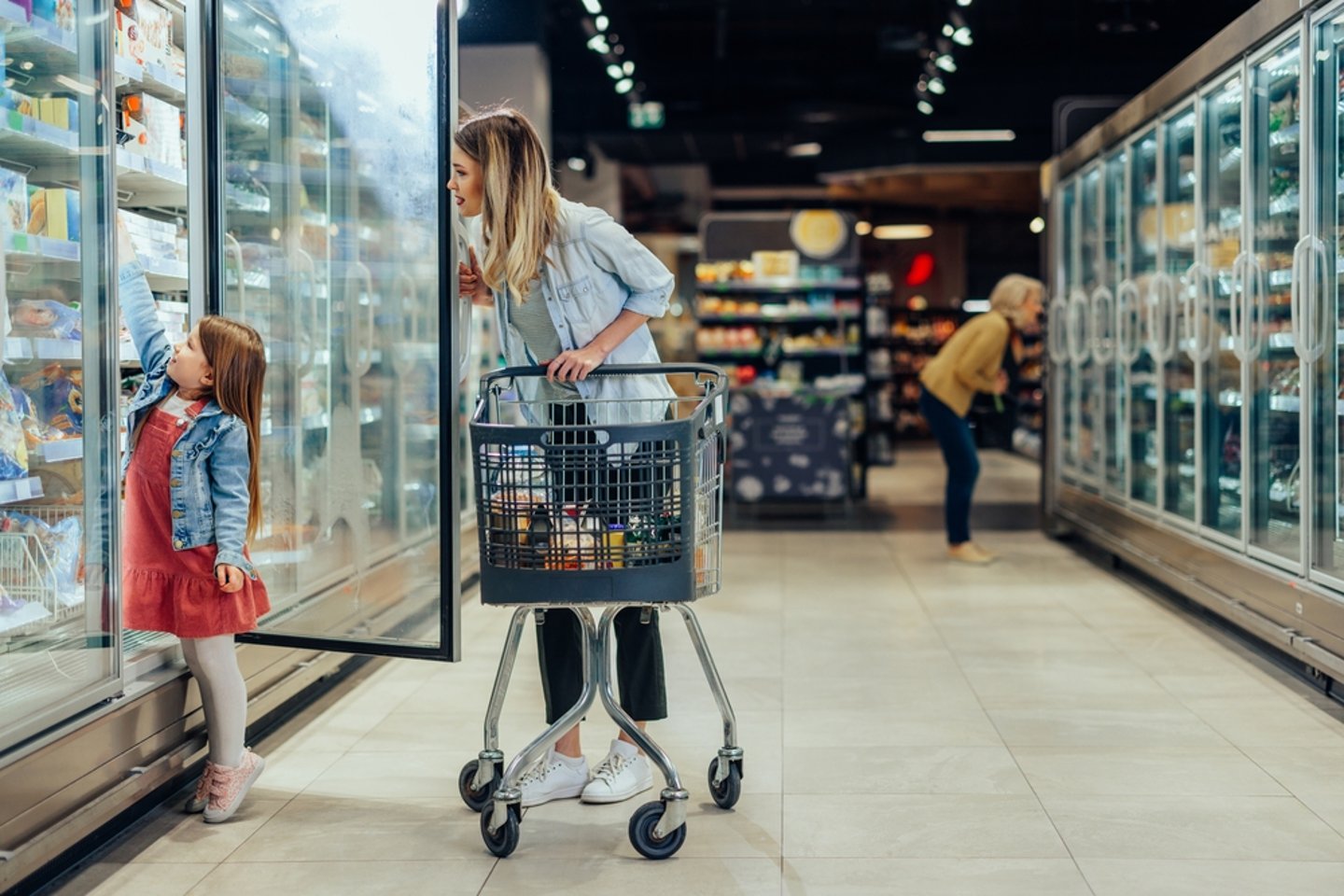
New insights reveal how two groups of shoppers are responding to high prices at the grocery store.
A recent survey from Resonate reveals that SNAP recipients are taking several steps to make the most of their money amid looming benefit cuts and expected price hikes from tariffs. Nearly six-in-10 (57%) are buying cheaper brands, including private labels, while 38% are cutting out some, but not all, non-essential purchases.
Other ways SNAP recipients are cutting back include cancelling some or all subscriptions (33%), cutting out all non-essential purchases (32%), and rationing/using less product (30%).
Resonate data confirms these consumers are often cash-strapped, with about half (49%) making $25K or less per year. Two areas they over index for are housing and education: 7% moved to a new residence to save money, while 6% have taken steps to considerably reduce their education expenses. A significant 17% of SNAP recipients have gone into debt to manage their financial situation.
Resonate’s survey also examined the habits of frequent grocery store shoppers, defined as those who make five or more trips to the store per month. A majority (84%) of these shoppers make $150K or less annually.
The most common way frequent grocery shoppers are saving is by using coupons more (37%), cancelling some or all subscriptions (31%) and buying the same products from different stores or online (22%) to find the best prices. Only 16% have changed brand loyalty because of price increases.
[READ MORE: Survey: Shoppers say out-of-stocks are top ‘barrier’ to in-store experience]
While many consumers are taking steps to save, 34% of frequent grocery store shoppers haven’t taken any actions due to higher prices. Politically, inflation and tariffs may not necessarily be top of mind for these consumers, according to Resonate. Thirty-eight percent support tariffs on all imports and extra on China, 39% strongly oppose tariffs, and 23% are persuadable.