Survey: Gen Alpha beauty consumers prefer in-store shopping

While discovery often begins online for Gen Alpha beauty customers, in-store visits are still critical to the shopping journey.
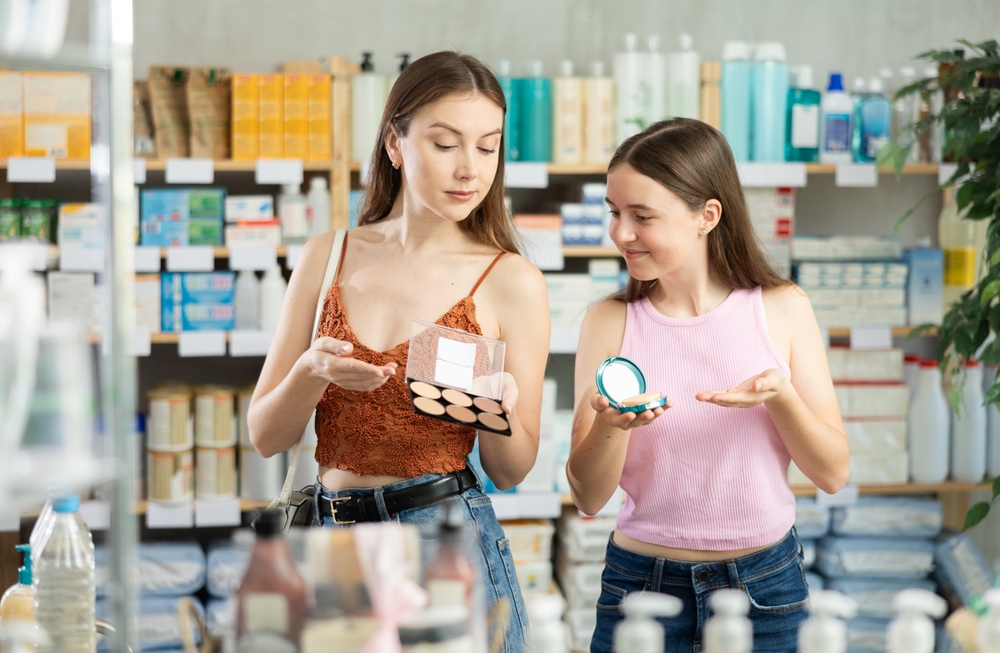
That’s according to a new survey from NielsenIQ (NIQ) commissioned by Ulta Beauty, which revealed that while 78% of Gen Alpha consumers (born between 2010 and 2024) discover beauty products through at least one online source, nearly as many (77%) then seek real-world validation. This includes visiting stores to try products in person (37%), asking family or friends how to use products (37%) and discussing products with peers (36%).
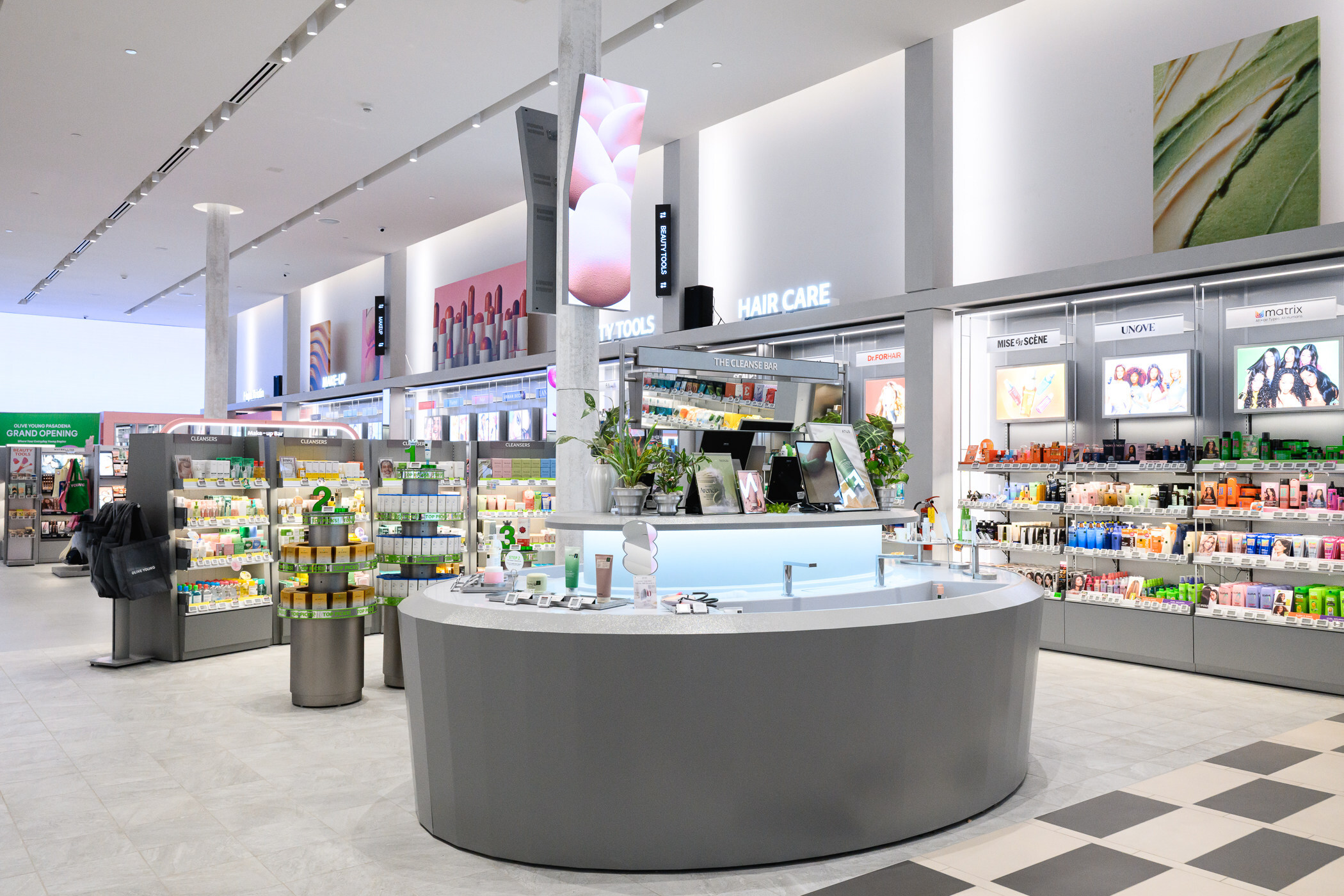
The majority of Gen Alpha consumers still prefer shopping for beauty products in-store, according to the survey, including 73% of fragrance buyers, 70% of makeup buyers, 66% of skin care buyers, 66% of hair care buyers and 66% of nail care buyers. Being able to take products home immediately (43-51% across categories) and discovering or exploring new products in person (33-49% across categories) were cited as the top reasons for preferring in-store visits.
Despite in-store visits being key, artificial intelligence tools are also playing a role in product discovery for the younger demographic. Gen Alpha consumers who use AI tools are significantly more likely to visit stores to browse and try products in person than non-AI users (57% vs. 36%).
Nearly three-quarters (73%) of Gen Alpha beauty consumers already use personalization tools while shopping for beauty products, turning to tailored product recommendations (35%), AI-powered search results (31%) and interest-based content suggestions (29%). The top reasons for using these tools include discovering new products (53%), trying something new (45% overall; 54% among teen girls) and learning how to use products (42% overall; 49% among nail care users).
“Our Smart Beauty research shows that Gen Alpha is embracing AI and personalization in ways that are fundamentally changing how beauty and wellness is discovered and shopped, while still valuing the importance of physical stores and real-world experiences,” said Kelly Mahoney, chief marketing officer at Ulta Beauty. “What’s especially powerful is that technology is fueling more exploration and engagement with the category, making discovery faster, more relevant and more inspiring for Gen Alpha consumers.”
[READ MORE: Ulta Beauty to open Times Square flagship; Q1 sales, earnings beat Street]
Compared to non-users, Gen Alpha consumers who use AI shopping assistants are significantly more likely to say personalization makes beauty feel more relevant (44% vs. 24%), more fun and engaging (42% vs. 27%) and more efficient by helping save time while shopping and exploring products (42% vs. 29%). The survey found that those who use AI are also more likely to trust recommendations when they understand why products are being suggested (38% vs. 23%).
“What stands out in these findings is the clear convergence of digital and physical behaviors,” said Jacqueline Flam, managing director, beauty & health at NIQ. “Gen Alpha is highly fluent in AI and personalization, but they are using these tools to enhance discovery and build confidence, not to replace in-store experiences. For brands and retailers, this means creating connected journeys that link digital influence with real-world engagement.”
NIQ’s “Smart Beauty: AI, Personalization & the Gen Alpha Consumer” survey is based on a nationally representative sample of 522 Gen Alpha consumers across the United States, along with 500 Gen Alpha parents and guardians.
Ulta Beauty operates more than 1,500 stores across the U.S.