Survey: Consumers leverage AI tools to compare prices, find discounts

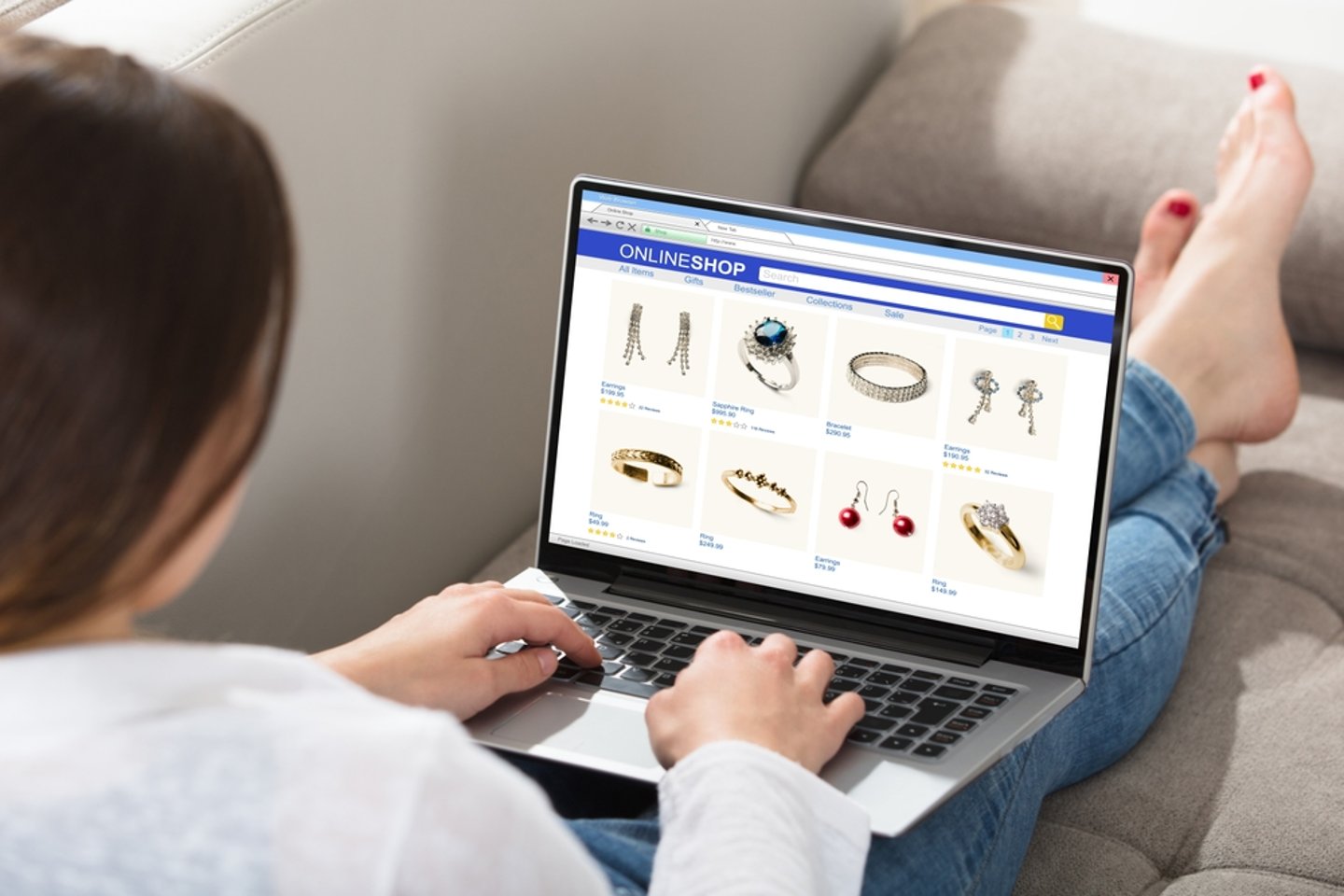
Consumer use of artificial intelligence tools for shopping is widespread – especially when it comes to finding the best deals.
Nearly three-quarters (71%) of consumers have asked AI to find a promotion, discount, coupon or deal for something they were considering buying, according to a recent survey from global marketing solutions provider Snipp. Another 24% haven't done so yet, but say they would.
Nearly two-thirds (63%) of respondents said that AI has saved them money on a purchase. The most common ways include finding a lower price, identifying a sale or promotion, finding a coupon or promo code and comparing prices across retailers.
Looking ahead, nearly six-in-10 (58%) consumers expect to use AI to find better prices and promotions, making it the most-selected future shopping use in the survey, ahead of researching and comparing products and discovering new products and brands.
When asked how they would like AI to handle promotions, 42% want AI to show them several offers and let them choose. Just 17% said they want AI to automatically find and apply the best available offer.
[READ MORE: Survey: Consumers expected to increase holiday spending — especially on retail goods]
“Search engines, retailer websites and physical stores aren't disappearing, but AI is emerging as another layer between consumers and brands, influencing which products enter consideration, how alternatives are evaluated and where shoppers find value,” noted Snipp.
Snipp’s report also found that AI usage can have an impact on brand loyalty. If AI consistently helped them find the best products, prices and promotions, nearly four-in-10 (39%) consumers said they would be more likely to try new brands.
Thirty-two percent said they would switch from a brand they normally buy if AI found a better price or promotion on another brand. Another 30% would switch brands more easily if another offered better value.
“That doesn't necessarily mean loyalty disappears,” added Snipp. “Nearly one-quarter say they could become more loyal to brands AI recommends. Instead, AI may change how loyalty is earned by making alternative brands much easier to discover and evaluate.”
Additional insights from Snipp’s survey include the following:
- Most consumers (81%) expect AI to at least moderately change the way they shop over the next two to three years.
- A large majority (85%) of respondents trust AI-generated product recommendations at least somewhat. At the same time, nearly seven-in-10 (69%) are at least somewhat concerned that AI shopping recommendations could be influenced by brands, retailers, advertising or paid placements without them realizing it.
- Millennials (65%) have purchased after an AI recommendation, the highest of any generation.
- Shoppers earning $50,000 to $99,999 are the most likely of any income bracket to have purchased after an AI recommendation (69%), ahead of both lower and higher earners.
Snipp surveyed 1,000 U.S. adults who use AI-powered tools or assistants for search or shopping regularly in September.