Experts Weigh In: Supreme Court strikes down Trump’s tariffs

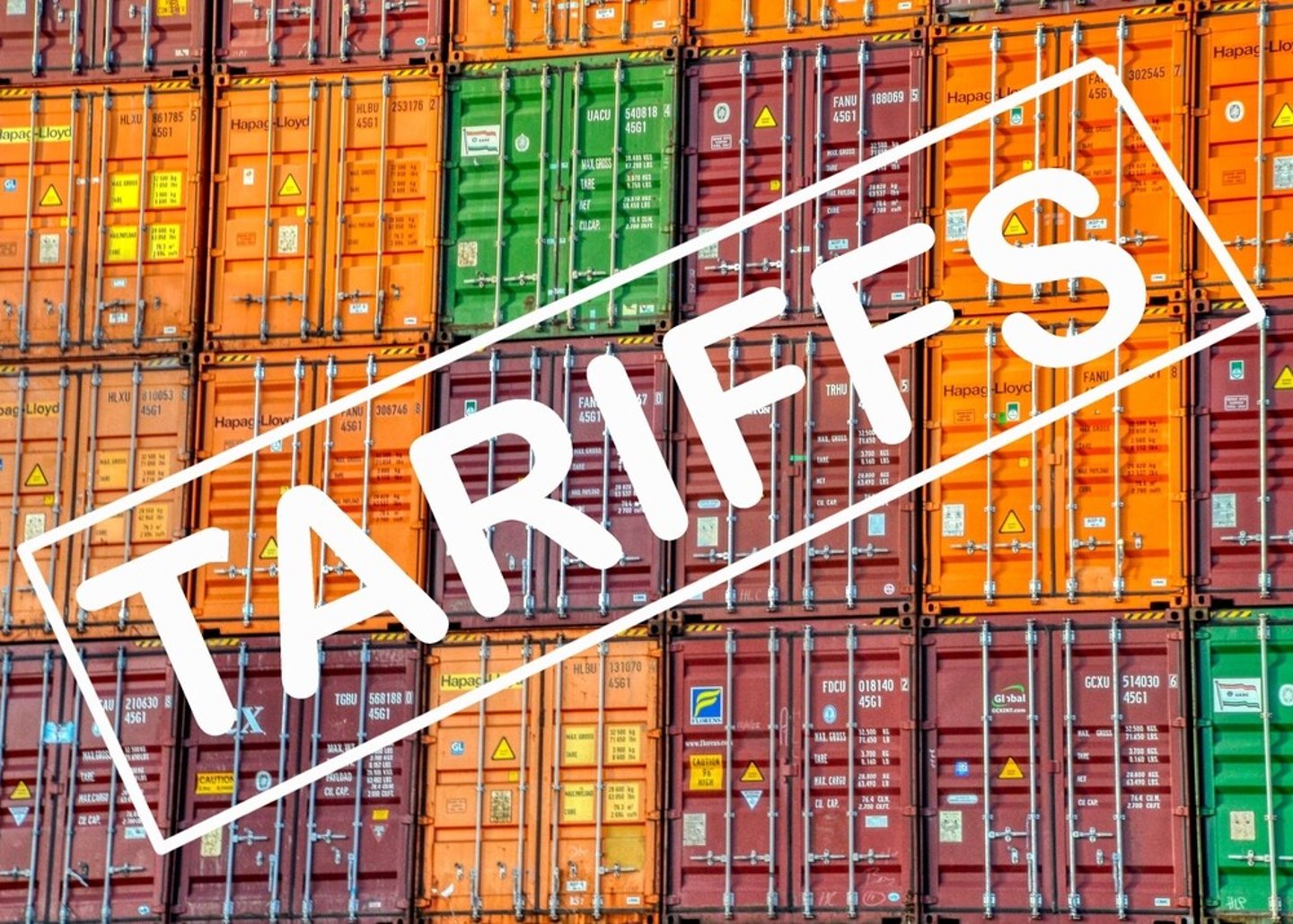
In a 6-3 ruling, the Supreme Court struck down President Trump’s sweeping tariffs on Friday.
Below is a sampling of what some experts had to say about ruling — and its implications for businesses.
“Beyond the legal implications, the real challenge now is operational. Companies will need to rapidly model which IEEPA tariffs may be refundable and quantify their opportunity, because any refund process is likely to be highly congested.
Even where tariff refunds may be available, many companies will face internal capacity constraints. Customs and trade compliance teams are already stretched managing day-to-day filings, enforcement activity and ongoing tariff changes.
Layering a large-scale refund exercise on top — requiring detailed entry reviews, coordination with brokers, and tight procedural deadlines — will be challenging without additional resources or external support.
Companies that underestimate this workload risk timing delays to their financials while creating potential compliance issues if they request refunds on the wrong tariff lines.”
For the portion of IEEPA tariffs that may be refunded, companies should focus on three critical considerations. First, robust modeling is essential to understand true opportunity and eligibility at the entry level.
Second, CFOs should consider the timing of potential refunds given procedural and capacity constraints.
Third, execution risk is real — customs brokers and in-house trade compliance teams are already operating at capacity, and the added volume of refund activity will strain processing timelines. Companies that plan across all three dimensions will be better positioned to recover value.”
——Chris Desmond, partner in PwC’s Customs and International Trade practice
"Make no mistake the Supreme Court's ruling is big, but it signals more uncertainty rather than a return to the old-world order or free(er) trade.
The noise surrounding tariffs is now likely to shift to refunds and rebates on the billions paid by companies, and billions of committed investments into the US over the last 12 months. This is far from a given, but should it happen it’s going to represent a margin boost or adjustment rather than an easing of broader macroeconomic supply chain pressures.
Critically for businesses the ruling isn’t challenging the need for tariffs or their effectiveness as an economic instrument — it's challenging the validity of the way that they were put in place. It’s a direct signal to the workings of the administration.
There is still a lot to play out here. Economic nationalism is still on the rise. Routes like Section 301 and national security provisions remain available to the administration, while broader tariff powers could still be pursued through Congress.
But the tug of war which will lead all the way up to the midterms is now in full swing. For business leaders this means that trade policy will likely stay volatile, which may mean a sustained trend of higher input costs passed on to consumers. The rewiring of supply chains will continue.”
——Simon Geale, executive VP, Proxima
"The Supreme Court’s ruling that President Trump lacks emergency authority to impose many of his administration’s tariffs removes one arrow from the administration’s quiver, but it doesn’t disarm it. While the decision provides some near-term relief, it does not eliminate the broader trade policy uncertainty facing retailers and brands.
We expect the ruling to create a modest tailwind for retail sales beginning this year, though that benefit will gradually fade by 2028. We now forecast retail sales will grow 3.5% to $7.78 trillion this year, roughly $13 billion above our previous outlook.
While that topline lift appears modest, the gains will likely be concentrated in import-heavy discretionary categories where pricing pressure has been most acute. We expect more pronounced upside in computers and consumer electronics, apparel and footwear, and furniture and home furnishings.
At the same time, the administration has made clear it sees alternative pathways to impose tariffs, including Sections 232 and 301. Those authorities come with stricter constraints and could face further legal challenges, but they reinforce that trade policy uncertainty isn’t going away anytime soon.
As a result, elevated costs for retailers, brands and consumers are likely to persist despite this ruling."
——Zak Stambor, principal analyst, Emarketer