Study: Tariffs triggering purchasing, lifestyle changes


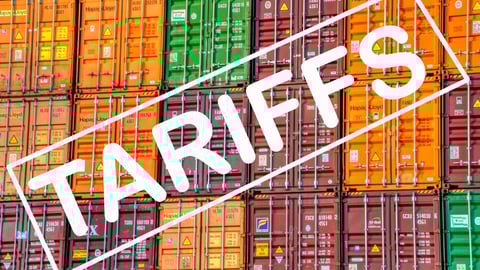
Rising costs driven by tariffs are causing consumers across the globe to scale back spending, switch brands, and rethink long-standing habits — including summer travel.
Forty-two percent of consumers are buying fewer products overall and 27% are switching to generic or store-brand alternatives, according to a study by UserTesting, conducted in partnership with Talker Research, which surveyed 4,000 consumers across the U.S., U.K. and Australia
In other findings, 18% of consumers are shopping second-hand more often and 20% are traveling less. Also, 39% say tariffs caused them to reconsider their summer travel plans entirely.
Price hikes are especially visible: 72% of U.S. consumers, 55% of Australians, and 68% of Brits report noticing tariff-related increases. Many are voting with their wallets. Nearly half of U.S. and U.K. consumers who noticed these hikes say they’ve already switched away from their favorite brands to find better value.
[READ MORE: JLL: Back-to-school spending to rise 17%]
Day-to-day, a majority of global respondents (53% across all three regions) show a preference for domestic brands, with only a small fraction preferring international alternatives. This suggests that tariffs aren’t just shaping wallets, but may be actively transforming how consumers think about product origin and brand loyalty, the study noted.
Other findings from the survey are below.
- More than half (54%) of U.S. respondents reported they would be more likely to buy domestically manufactured products due to tariffs.
- Over one-third of Americans say tariffs leave them feeling stressed (37%), with nearly a quarter feeling overwhelmed (23%) when hearing about economic changes tied to trade policy.
- Nineteen percent of consumers in the U.S. and U.K. say they’re considering a second job, side hustle, or longer hours just to keep up.
- While many brands have raised prices, most consumers aren’t automatically assigning blame, yet. Over half (54%) of U.S. consumers say their perception of brands hasn’t changed. The deciding factor is honesty, with 72% of Americans saying that transparent communication about pricing changes is essential to maintaining their trust.
“Whether tariffs remain or not, it’s clear they’ve already reshaped consumer habits,” said Bobby Meixner, VP of solution marketing at UserTesting. “Consumers understand that price hikes may be out of a company’s control. What they’re looking for is honest, upfront communication—and they’re making purchase decisions based on it.”
A total of 4,000 consumers were surveyed between June 4 and June 12, 2025, including a nationally representative sample of adults (18+) across the United States (2,000), Australia (1,000), and the United Kingdom (1,000).