Retail real estate’s innovations & breakthroughs of 2026

As retail continues to be one of the most coveted assets in commercial real estate, owners, operators, developers and technology partners aren’t resting on their laurels.
Despite an uncertain economic landscape, innovation remains key for continued success and differentiation from competitors. These companies are investing in new initiatives to draw customers to shopping centers, improve operations and offer more value to their partners:
Centennial
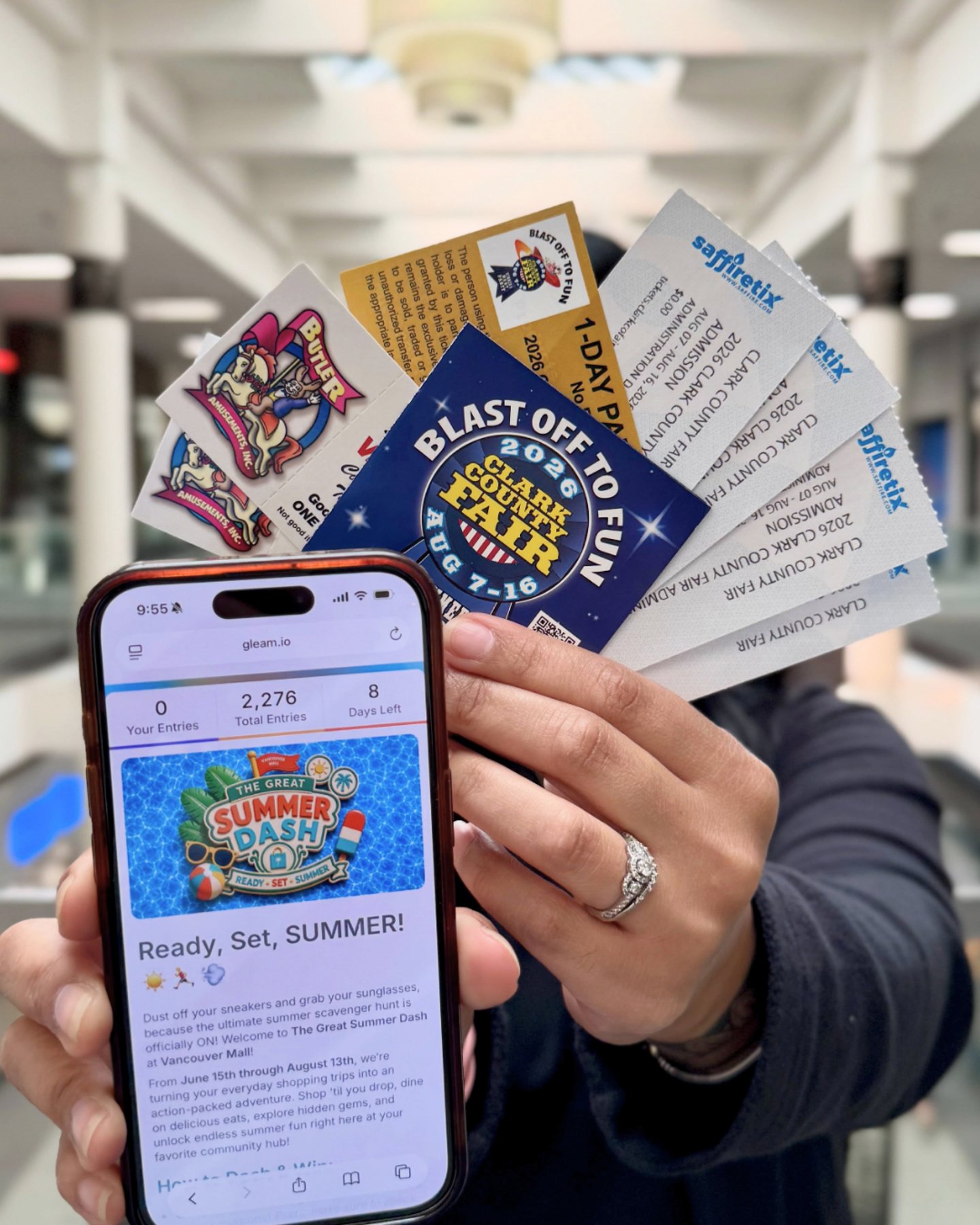
In an effort to drive repeated visits to its shopping centers with students on summer break, Centennial developed an initiative that brought gamification to the forefront of the shopping experience.
The company’s Great Summer Dash program allowed visitors at 13 participating properties to take part in weekly, localized challenges to win prizes over the course of the summer. Integrated into digital touchpoints, including each property’s website and social media pages, as well as the in-center signage.
Shoppers registered for the Great Summer Dash, and once signed up, they completed weekly challenges. These ranged from going to see “The Super Mario Galaxy Movie” and up- loading a ticket stub to dining at Chili’s and posting a picture of the meal. The platform tallied participants’ points to keep track of their progress throughout the summer months.
“This platform encouraged shoppers to put down their phones – which sounds counterintuitive – by using digital tools to create meaningful physical moments in our shopping centers,” said Greg Udchitz, VP of events and partnership marketing at Centennial.
Centers hosting 4th of July programming built four to six challenges around those events for shoppers to complete that week. With the 2026 FIFA World Cup simultaneously taking place, some centers created challenges that drove visits to viewing parties at food and beverage venues or activations at sports-centric retail tenants.
Over the course of the campaign, shoppers completed 8,320 challenges and earned more than 52,440 points across the select Centennial-managed properties.
“We wanted to move beyond doing a typical event and create something that blends the digital and physical experience,” said Udchitz. “Everybody knows what a scavenger hunt is. We wanted to take that concept and make it interactive, connected to our shopping center audience and localized per asset. Centers modified the challenges based on what was happening at their specific property.”
Piloted at Centennial’s Connecticut Post Mall last year, Great Summer Dash lasted throughout the summer and gave visitors a new way to experience their nearest property. Udchitz said most participating centers saw positive traffic increases throughout the program in conjunction with other summer activities and events.
He added, however, that the program allowed Centennial to build a sense of loyalty with a wide audience – especially Gen Z visitors – and not just parents looking to entertain children on summer break.
“Everyone in retail is talking about loyalty, and we wanted to find a unique way to build loyalty within our shopping centers without launching a full formal loyalty program or requiring an app download,” said Udchitz. “The Gen Z audience engaged with it heavily, because they are a digital-first generation, and we are seeing them return to the mall. We didn’t initially build it for that demographic, but they tapped into the gamification elements, as did adults visiting without children.”
Primestor
While on-site events can be greatly beneficial for retail properties looking to draw crowds, not all approaches have a positive impact.
Primestor Development, which owns and operates shopping centers across California, Nevada, Arizona and Texas, found this out firsthand after shifting its community engagement strategy to a more “hyper local” one.
Shajira Hope, VP of marketing and communications at Primestor, said that while the company was hosting events in the past, dwell times were not increasing. This led to an overhaul of the strategy.
Over the past year, the company hosted 64 property events across eight shopping centers. Primestor said that it innovated its event strategy by catering to the demographics of each community that it serves, as well as welcoming feedback.
“We operate in very community-driven markets, so we don’t believe in creating single programming and replicating it across the portfolio,” said Hope. “We look at the community, the tenant mix, and what a particular property needs, and then build programming around that. We wanted to shift their perception from simply receiving a free item, like a back-to-school backpack or a holiday toy, to having a complete experience.”
Last year, Primestor’s activations included seasonal and quarterly events, as well as monthly music-driven events like “Jazz Under the Stars” or Cumbiatons (a cumbia dance party), depending on the property. For example, at Freedom Plaza in Watts, Calif., Primestor hosts line dancing every Friday from 6:00 p.m. to 8:00 p.m., where the community comes out to participate in the fun. Other events include farmers’ markets and pop-up meet-and-greets with local figures.
“We shifted to a hyper-local strategy to understand who lives in the area, their interests and what the tenant mix and community want to see,” said Hope. “None of our programs look the same. While overarching themes may align, the execution is tailored to the demographic.”
To learn more about what its customers wanted to see out of events, Primestor began to leverage its social platforms and newsletter to ask which events were favorites in the past, and to learn which events people wanted to see in the future.
The company also uses a scorecard system where after every event, participants receive points if they fill out an online feedback form, which can be redeemed for gift cards and product giveaways through Primestor’s partnerships.
“Innovation doesn’t just mean hosting events – it means changing our operating model,” said Hope. “For us, that meant taking experiential marketing from something that happens adjacent to real estate, and integrating it into how we think about the health of the asset. Communities lose trust in shopping centers when programming feels repetitive or cookie-cutter.”
DLC
The lack of new construction in commercial real estate is well documented, but that hasn’t stopped DLC Management Corp. from taking on new projects.
The company’s vertical integration of construction and architectural de- sign into its total package of commercial real estate services gives it an innovative edge in the world of retail development.
DLC founded its own construction company, Renovo Construction, in 2020, and later went on to acquire an architectural firm, NWS Architects, three years later. While they operate as distinct entities with their own external clients, DLC is able to offer a complete, streamlined development and management process.
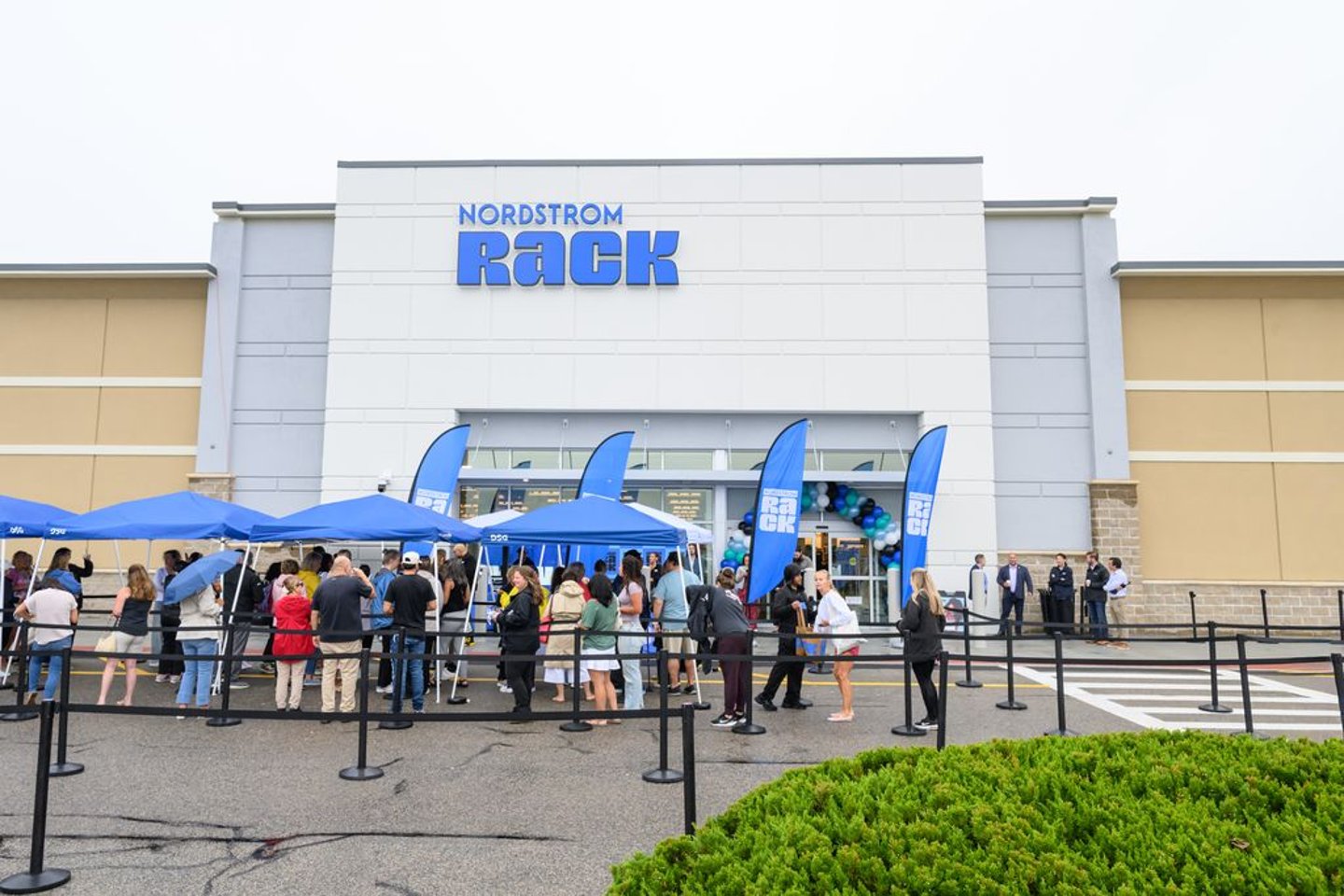
In early September, DLC opened a new 27,000-sq.-ft. Nordstrom Rack store at Colony Place in Plymouth, Mass., positioning the off-price retailer alongside tenants like Best Buy, Dick’s Sporting Goods and Aldi. The ground-up store opened less than a year after the project broke ground, showcasing the power of the company’s vertical integration.
“Outside of high-growth markets like Texas, Florida or Arizona, the number of ground-up, single-user retail boxes being built across the country is super low,” said Chris Ressa, chief operating officer at DLC, noting that ground-up construction at existing centers is typically reserved for quick-serve restaurant chains that open in parking lots.
“This story highlights how rare ground-up box development is today across America, how we successfully executed it, and how bringing our integrated platform together made the project economically viable,” Ressa said.
While the “owner-builder-developer model” is more common in residential and industrial real estate, DLC says its vertical integration offers its retail partners a greater ability to connect leasing, development, construction, design and property operations while moving projects forward faster.
“Even without ground-up development, there is still significant demand for general contracting and architecture in tenant buildouts, store fit-outs and redevelopments,” said Ressa. “That’s where we saw the opportunity and took the plunge. Having those capabilities in-house allows us to evaluate our portfolio continuously and unlock more opportunities to densify where it makes sense.”
SRS
SRS Real Estate Partners is one commercial real estate services firm that has continued to leverage new and emerging technologies to make life easier for its clients. Most recently, SRS has developed its latest technology platform – Atlas – to give retailers and investors a “single, live view” of their real estate portfolio and active transactions.
The AI-powered Atlas combines transaction and portfolio data together with Geographic Information System (GIS) mapping, demographic insights and market-planning tools. Through the platform, SRS clients can view locations, market strategies and deal activity in one place instead of searching through emails, spreadsheets, shared drives and multiple third-party platforms.
“A portfolio client can see their assets on a map, review the performance of each location alongside demographics and trade areas used for market planning, and view the current status of every transaction we’re managing for them,” said Ryan Tharp, senior VP of research and client technology at SRS. “For a retailer managing hundreds of locations, that turns portfolio decisions that used to take weeks of back-and-forth into something they can look at and act on the same day.”
SRS noted through Atlas, which is now used by approximately 50 retail clients, real estate opportunities can be evaluated more efficiently. For retailers, the platform creates a more “efficient and informed” approach to client service.
“By reducing the time spent collecting, organizing and reconciling information, our teams can focus more of their attention on strategy, market insights, negotiations and execution,” said Tyler McRae, senior VP and managing principal at SRS. “Because clients and their SRS teams are working from the same current information, communication is clearer, collaboration is stronger, and decisions can be made more quickly.”
Buxton (now part of Audiense)
Retail intelligence company Buxton, which became part of Audiense last year, is another firm that has improved one of its core product offerings for its real estate clients.
Last year, the company introduced the ability to mix and match its site selection datasets to create customized reports on demand. This year, it announced the development of the next version of its Scout application. Buxton (now part of Audiense), says the enhanced Scout will introduce a more “intuitive, streamlined” interface so users can access the insights they know and trust even faster. It also noted that its most significant investment of the past year has been in its data foundation.
With the enhancements, site selection teams at expanding retailers will now have the option to quickly create a new report for a real estate committee or franchise development meeting that includes the exact data fields they want, in the order they want them. Teams can even save the report as a template so others in their organization can quickly pull that same report for consistency.
“Customers love having the power to create the exact report they need, whenever they need it,” said Katie Russell, director of product marketing at Buxton (now part of Audiense). “We’re now working on taking that to the next level by adding the option to include map visualizations in the customized report – so you see the data not only in table form, but also visually.”
The newest version of Scout is still in development, but early feedback from beta testers has been positive, according to the company, adding that it will soon be rolled out to its broader customer base.
“Buxton’s site-selection and market-planning tools have always been built on who lives and shops in a trade area,” added Russell. “As Audiense, we are now bringing together consumer behavior data from new sources that have never been combined before: in-person visitation, online shopping activity and social and interest data.”