Placer.ai: Fitness, service tenants drive visits, dwell times at shopping centers

Once the drivers of shopping center visits, apparel retailers are ceding ground to other tenants that are bringing traffic to properties.
That’s one of the takeaways from Placer.ai’s recent report, The New Tenant Mix Playbook. Apparel visits fell nearly 25% between 2019 and 2025, according to foot traffic data, while fitness, wellness, coffee, grocery, and off-price/value retail gained traffic.
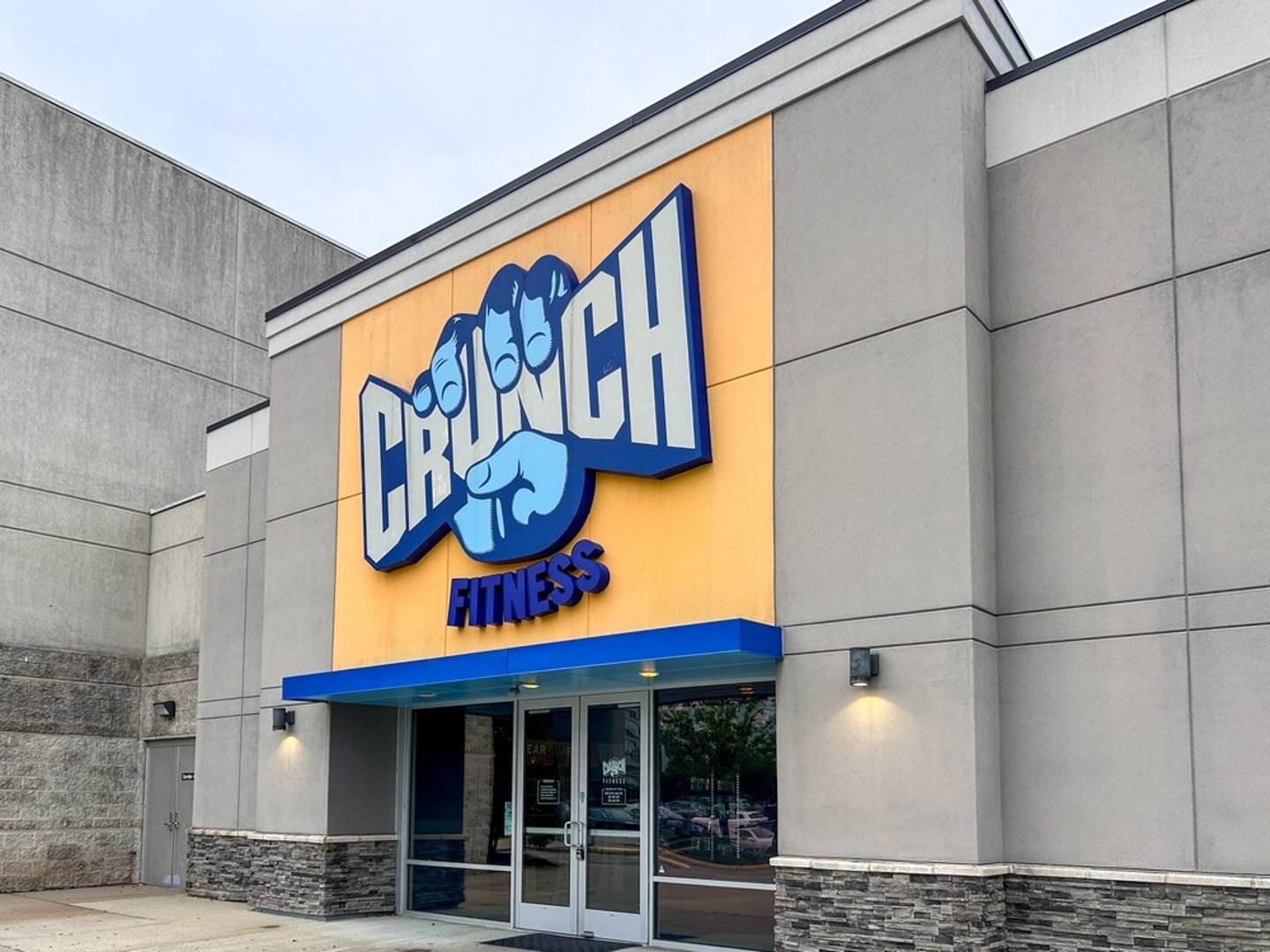
Fitness led in visit frequency by a wide margin in 2025, according to the report, with the average gym visitor returning 4.2 times per month. Coffee followed at 2.5 visits per month, with grocery right behind at 2.4. Limited-service dining tenants also helps drive traffic at 1.9 visits per month in 2025.
At the other end of the spectrum are apparel and full-service restaurants, at 1.2 monthly visits per visitor, and spa and wellness, at 1.1 visits per visitor last year.Placer.ai noted that these categories tend to be more purpose-driven than routine-driven.
Spa and wellness leads all segments in post-pandemic visit growth, up 31.8% since 2019, with effectively no e-commerce exposure. Off-price retailers follow at 28.6% visit growth from 2019 to 2025, followed by coffee (26.7%) and fitness (22.6%).
“Five years ago, the neighborhood and lifestyle center playbook was built around apparel anchors, department stores and soft goods,” said R.J. Hottovy, head of analytical research at Placer.ai and author of the report. “Today, that model is giving way to a service-first tenant mix centered on health and wellness, food and beverage, fitness, grocery and off-price retail.”
The New Tenant Mix Playbook report also examined which tenants are keeping visitors at shopping centers for long periods. Fitness had the largest share of visits lasting 30 minutes or more in 2025, at 90.8%, followed by full-service restaurants (75.5%), off-price retailers (59.2%) and spa and wellness (57.5%).
Coffee chains (7.6%) and banks and financial tenants (10.7%) had the smallest share of visits that exceeded a half hour last year.
Placer.ai pointed to three main drivers of these shifts in visit trends: the “pandemic reset” that altered consumer behavior, the “e-commerce reckoning” that slowed offline apparel sales, and the “wellness economy surge” that led to the growth of health and wellness tenants.
[READ MORE: Placer.ai: Store visits surge at these retailers…]
“The winning centers of 2026 are built around a service-first ecosystem of health and wellness, food and beverage, grocery, fitness, and off-price retail,” said Hottovy. “Centers that have not begun repositioning face structural risk, and the window for action is the next 36 months.”
Placer.ai’s full report can be found here.