
Trump’s new tariffs to trigger supply chain disruption
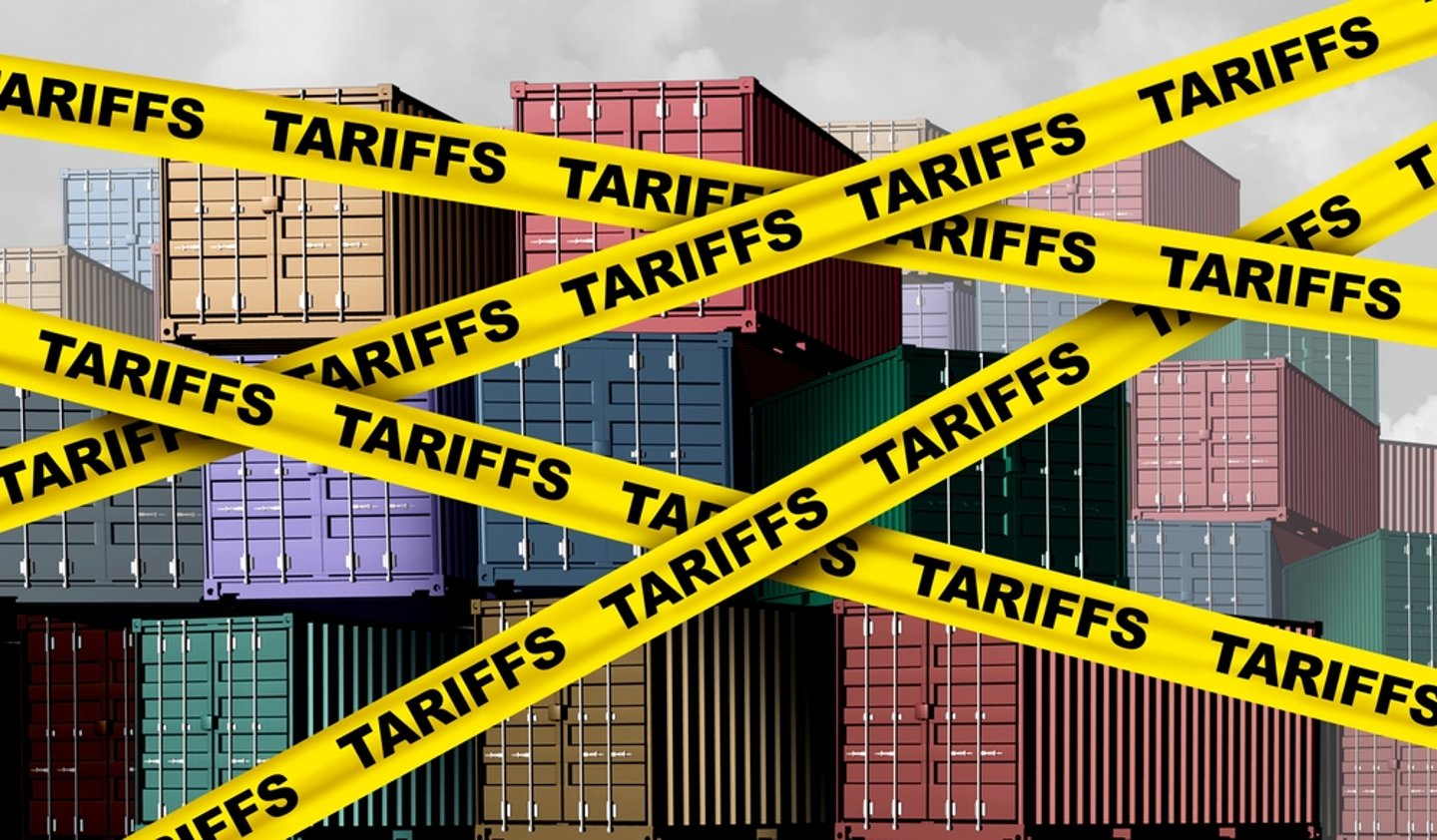
Where recent weeks saw trade agreements hint at potential stability, Trump’s announcement shifts many markets from threatened tariffs into reality.
In some cases, the outcome is less severe than initially feared. Taiwan and Vietnam will face 20% tariffs instead of the 32% and 46% previously proposed. But 20% is still significant, and other markets face sharper shocks: 25% for India, 35% for Canada, and 39% for Switzerland, especially in light of the recent U.S.-E.U. deal.
These tariffs represent a sharp increase in cost pressures across global supply chains. Many of these markets are critical to manufacturing, meaning the impact will ripple across multiple tiers of supply — increasing costs and disrupting continuity.
The announcement reinforces that stable trade policy is no longer something businesses can rely on as the foundation of long-term sourcing strategies. With margins under pressure, building agility and reducing exposure is now essential.
While trends like nearshoring and ‘plus +1’ strategies were already in motion, this adds new urgency. High tariffs don’t just mean increased costs, they also introduce continuity risks as businesses re evaluate their supplier relationships.
Mexico’s 90-day negotiation window may make it an even more attractive alternative, but companies must understand their full supply chain exposure before making a shift, especially upstream, where rules of origin could still trigger unexpected liabilities.
In the short term, we’ll see shocks to established supply networks and an inflationary ripple effect across industries. The upside is that this announcement provides clarity. For procurement leaders, now is the time to act strategically – assessing risk, building flexibility and taking control of sourcing decisions.

Gemma Thompson is senior consultant at supply chain and procurement consultancy Proxima.