News

  • Aeropostale CEO gives up 1 million shares

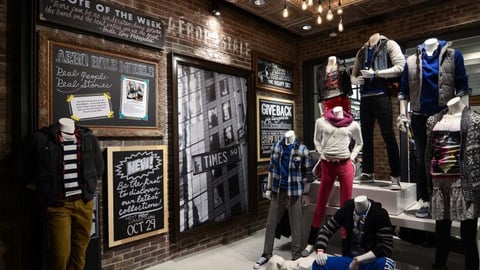
    In an effort to control cost, Aeropostale is reducing its corporate headcount by 13% and CEO Julian Geiger is relinquishing one million stock options that will be doled out to others for retention purposes.

    The mall-based specialty retailer of casual apparel for young women and men plans to eliminate 100 corporate position by the end of its 2015 fiscal year and said the move would save between $35 million and $40 million annually.

  • Report: Online-only strategy ultimately unsustainable for most retailers

    A new study links retailers' success to an omnichannel strategy that includes physical stores.

    According to the report, by L2 and titled "Death of Pureplay Retail," online-only retailers are at a disadvantage due to high costs for marketing and shipping, making their business model challenging and ultimately unsustainable in the long-term. The report was sponsored by Simon Property Group.

  • Genesco lowers earnings forecast

    Genesco is lowering its earnings forecast for the fiscal year despite a 3% increase in same-store sales over the holiday period.

    The company said same-store sales increased 3% for the quarter-to-date period ended Jan.2. Sales for the company's e-commerce and catalog direct sales businesses increased 20% on a comparable basis for that period.

  • American Apparel gets $300 million bid from group supporting Charney

    American Apparel on Monday said that it has received unanimous approval of all voting classes for its reorganization plan. But also on Monday, the company received a $300 million buyout offer from an investor group that has the support of American Apparel founder and ousted CEO, the controversial Dov Charney.

    The investor group, which is comprised of Hagen Capital Group and Silver Creek Capital Partners, said that its offer is superior to the company's reorganization plan, and has a valuation range of $180 million to $270 million.

  • Women’s apparel brand fits into seamless engagement

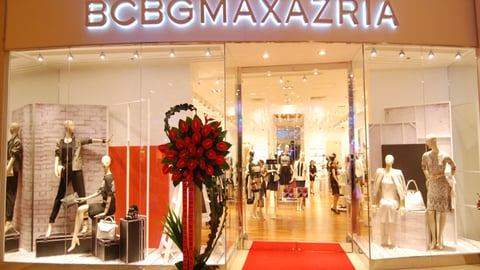
    BCBG Max Azria Group LLC, a vertical specialty women’s apparel retailer that operates an e-commerce site and store-within-a-store locations, is working to eliminate channel silos.

    BCBG has selected cloud-based Aptos solutions to integrate its in-store and digital commerce operations, supporting a seamless omnichannel customer experience. The retailer was looking to transform aging legacy systems, integrate sales channels, and elevate in-store customer experience, while gaining 360-degree visibility of customers, inventory and transactions across all channels.

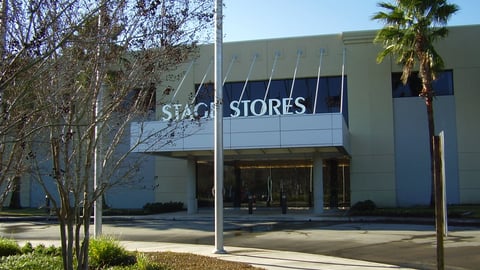
  • Cheap gas prices hurt Stage Stores sales

    The CEO of Stage Stores blamed warm weather and cheap gas prices for a drop in same-store sales over the holidays.

    The company said same store decreased 2.5% for the 10-week period ending Jan. 9.

  • Walgreens sells 56 Chicago-area clinics to Advocate Health Care

    Walgreens and Advocate Health Care on Monday announced Advocate will own and operate the 56 Healthcare Clinics at Walgreens stores across the greater Chicagoland area. The retail clinics will function as part of Advocate and will be branded as Advocate Clinic at Walgreens, with the first clinic opening under the Advocate banner in May 2016.

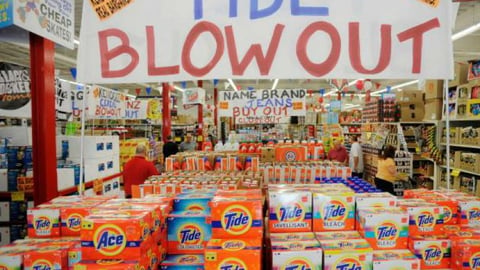
  • Christmas shoppers flock to Ollie's Bargain Outlet

    Ollie’s Bargain Outlet is raising its full year outlook after the discount retailer holiday strategy delievered strong sales growth.

    The company annouced that net sales over the holidays increased 23%, while same store sales increased 5.6%.

  • New Video Technology to Maximize Customer Attraction, Loyalty

    The winners in today’s retail food retail sector will be those who can continually stay ahead of competitors by retaining current customers and attracting new ones.

    However, many of the tools of yesterday are likely stale and ineffective today. Trending indicates that older, traditional practices of discount/promotional pricing, printed signs/stickers, and aisle video display monitors to attract customers and increase sales are becoming outmoded and have lost their effectiveness in many food retail environments.

  • Tech Bytes: Evaluating IT Vendors: Three Lessons from the Dotcom Crash

    For millennials it’s little more than legend, but the dotcom crash of the early 2000s was a very real event for any retail IT professionals of the Gen X or Baby Boomer demographics.

    As retailers prepare to kick off the technology conference/user group season with the upcoming NRF “Big Show,” it might be a good idea to review a few lessons from that era about how to properly evaluate vendors and solutions.

    A Shaky Investment

X
This ad will auto-close in 10 seconds