News

  • Expanding North

    DLC Management Corp.’s grocery-anchored shopping centers can be found in places such as Dallas; Milwaukee; Columbus, Ohio; and Birmingham, Ala.; but the company has a special stake in the Northeast. In October, DLC closed the biggest deal in its history, acquiring a passel of 16 centers, all but one of them in New York state. Chain Store Age Real Estate Editor Al Urbanski talked with DLC CEO Adam Ifshin and asked him what retailers need to know about the Northeast market.

  • ON THE LEVEL with Al Urbanski

    Oculus Populi: The mall at the center of the World Trade Center

  • Project Profiles


    Seaport District


    Location: Lower Manhattan, New York, N.Y.

    Size: The transformed Seaport District will encompass seven buildings on several blocks totaling more than 400,000 sq. ft.

    Developer: The Howard Hughes Corporation

    Key tenants: iPic Theaters, 10 Corso Como, Scotch & Soda

    Status: Pier 17, the property at the center of the Seaport’s development plan, is set to open next year.

  • Northeastern Exposure

    Packed and bursting with opportunities

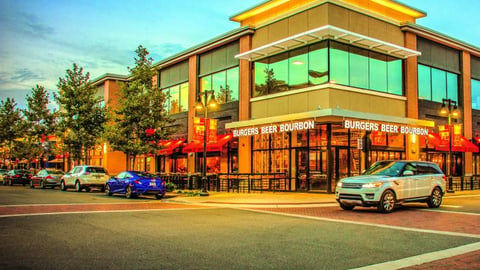
    Ground-up projects are hard to come by here, but shopping center innovation and new retailers are not

    Density and diversity. The two D’s. That, in short, is what sums up the Northeast market for retailers. It’s the place where chains with national expansion plans or new formats to test need to be.

  • Shop Talk

    TRENDING STORES: Two Canadian brands are dropping anchor in the United States. Health and beauty retailer Saje Natural Wellness, which operates 45 locations up north, will open two stores in the Los Angeles area by year end. Another 25 stores are on tap for 2017. Featuring natural wellness, personal and home care products and accessories, Saje stores are open, light and airy, with a high level of design. The Saje store at Toronto’s Sherway Gardens features a 30-foot Italian tile façade.

  • Innovation in Spotlight at X/SPECS

    Innovation is today’s buzzword. And it was all the talk at Chain Store Age’s X/SPECS 2016, as key executives from some of the nation’s leading retail and restaurant chains zeroed in on real-world strategies designed to innovate stores and elevate customer experiences.

  • Five Design Ideas for Safety

    There is little doubt the public’s fear about safety has been heightened. In fact, the news these days is saturated with danger signals. Some people feel the threat of public spaces more acutely than others.

    Having been trapped in a building two blocks from ground zero on 9/11, I myself have become hyperaware. I’ve devoted a lot of thought to how we can make shoppers feel more secure in the spaces we design so that they will be drawn to a store, be comfortable staying, and finally, lose themselves in the experience and want to return another day.

  • Spotlight on Lighting

    LEDs, wireless controls are key to the future of retail lighting solutions

    Lighting is fundamental to any retail store, whether for setting a scene and influencing how a brand is perceived or even encouraging shoppers to make a particular purchase. However, if not managed correctly, it can be extremely expensive. In fact, lighting accounts for around 53% of all electricity consumption in a typical retail outlet, according to the U.S. Energy Information Administration.

  • Target Exercises Flexibility

    Target Corp. is thinking out of the box in urban and other select areas.

    The retailer’s flexible format store is designed to allow it to open in locations — ranging from downtown areas to college neighborhoods — that can’t accommodate a big-box footprint. The stores, which also serve as convenient pick-up destinations for online orders, run the gamut in size depending on their location. But most seem to average from about 20,000 to 40,000 sq. ft. The smallest, at 12,000 sq. ft., is in Berkely, Calif.

  • Employee Training Goes Digital

    McDonald’s leverages smart technology for onboarding training

    Onboarding is a costly process for any company, especially one as vast as McDonald’s Corp. But by transitioning a paper-based operation to a digital one driven by smart devices, the fast food giant is slashing training time in half.

X
This ad will auto-close in 10 seconds