News

  • Best Buy to restructure its tech army

    Best Buy's Geek Squad is undergoing some changes.   The consumer electronics retailer is eliminating about 400 Geek Squad positions, the StarTribune reported. The affected jobs are on the Geek Squad’s covert team, employees who mostly work from their own homes to provide remote technical support. The work will be outsourced to a third party, according to the report.  
  • Godiva, New York City

    Godiva has opened its first in-store cafe in the United States, in Manhattan's Rockefeller Center.

    The newly renovated store features a seating area where customers can enjoy a new collection of French-style desserts or Godiva’s signature chocolates, along with beverages. Godiva first introduced its cafe concept in London, where it operates a 40-table cafe on the second floor of the famous Harrods department store.  

  • Analysis: Amazon can sustain buying sales at the expense of the bottom line

    While many other retailers are bumping along the bottom in terms of growth, Amazon increased its sales line (in its second quarter) by almost a quarter.  In real terms, this means the online behemoth took some $7.5 billion more in revenue this quarter than during the same period last year. By any standards, this is an impressive performance -- but it is doubly so for a company of the size and scale of Amazon.  
  • J.C. Penney turns TV show into women's apparel brand

    J.C. Penney has entered into an ambitious partnership with a Lifetime reality fashion show.    The department giant has launched the first-ever "Project Runway" brand, with the collection inspired by the popular show and its design contestants. Currently available in over 500 Penney stores and online, the line made its debut with a summer preview collection featuring designs inspired by season 15 winner Erin Robertson, with the full assortment planned for Sept. 8.     
  • Brick-and-mortar retail is hot in this specialty segment

    Multi-brand and vertically integrated beauty stores are shaking up the beauty industry — and growing at a rapid rate.    With hundreds of new doors opening in various formats, cosmetics specialty and vertically integrated stores, such as Ulta, Sephora, Bluemercury, NYX, Kiko Milano, and e.l.f., have grown at a compound annual growth rate of nearly 19% over the past five years, according to a report by research and consulting firm Kline. Such stores now account for an estimated 20% of total beauty market sales. 
  • Lifeway’s merchandising gets a new plan

    Lifeway Christian Stores’ shoppers’ needs differ from store-to-store — a factor that pushed the chain to revamp its merchandising processes.   For the specialty retailer, this has meant pursuing macro- and micro-localization strategies. From the macro level, the company still wanted to manage assortments that deliver a consistent brand experience – not only in terms of the products offered, but also in how they are stocked and presented.   
  • Another department store retailer targeted for its real estate

    Macy's and Sears are by no means the only department store companies with valuable real estate.    Activist investor Snow Capital Partners has built a position in Dillard's Inc. and is planning to push for changes at the retailer, including unlocking the value of its real estate portfolio, Bloomberg reported.  
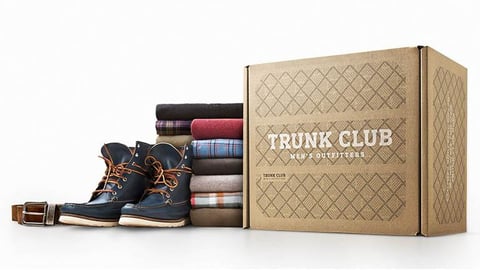
  • Stitch Fix, Trunk Club and Le Tote upping the ante on online apparel retailing

    When it comes to brands that stand out in online apparel shopping segment, subscription services are leading the pack.   Apparel subscription services, like Stitch Fix and Trunk Club, and introduction of Amazon’s Prime Wardrobe are disrupting the apparel segment. While the subscription method of shopping for apparel is still in its infancy, consumer reach — and interest — is growing, according to research from The NDP Group.   
  • Facebook soars in Q2

    A jump in mobile ads and daily users contributed to another strong quarter for Facebook — one that also beat analyst expectations. For the second quarter ended June 30, total revenue rose 45% to $9.32 billion. This is a significant jump from $6.436 billion for the same period in 2016. Revenues for the quarter also beat analyst forecasts of $9.20 billion, according to Thomson Reuters. This is the ninth straight quarter that Facebook has exceeded analyst expectations.
X
This ad will auto-close in 10 seconds