News

  • Study: More than half of retailers ready for AI

    In a move to step up their customer experiences, more retailers are embracing artificial intelligence (AI).   This was according to the third quarterly “2017 E-commerce Performance Index,” a report from SLI Systems.   According to the data, 54% of companies reported they are using or plan to add AI in the future. The largest group of these respondents (20%) expect to add AI within the next 12 months.  
  • Big mall owner CBL launches a rebranding campaign

    Malls are not going away entirely, but the word “mall” may be an endangered concept.   CBL Properties, one of the nation’s biggest mall operators, with 121 of them in 27 states, has announced a rebranding campaign that that reflects a new strategic direction focused on operating community gathering places, not mere shopping centers.  
  • Chapter 22: Why Some Retailers Emerge from Bankruptcy Only to File Again

    As of August 31, 16 retailers have filed for Chapter 11 bankruptcy in 2017. Four of those sixteen retailers are filing for “Chapter 22”, meaning this is their second time declaring bankruptcy. Chapter 22 cases show that the first bankruptcy failed and that the firm and its advisors were too optimistic regarding the firm’s viability out of bankruptcy. The chart below summarizes the four Chapter 22 filings over the past year:  
  • Embattled department store retailer gets fresh cash infusion from owner

    As it heads into its most important selling season, Sears Holding Corp. is receiving another cash infusion from its CEO and largest shareholder.   Sears is borrowing $100 million from units of CEO Eddie Lampert's hedge fund ESL Investments for "general corporate purposes," according to a regulatory filing. The new infusion brings the total of Lampert's outstanding loans to Sears to $499.4 million.   
  • Shop.org Takeaway: Three steps to next-gen personalization

    Consumers are becoming more digitally influenced on a seemingly daily basis — but omnichannel retailers find themselves hard-pressed to keep up the pace. Retailers need to meet their needs across all touchpoints, and create a frictionless shopping experience despite where the shopping journey starts and ends.   
  • Study: Gens Y & Z prefer credit cards over other forms of payments

    Following suit of older generations, younger shoppers want to pay for purchases with credit cards.    Specifically, Gen Z (ages 18-24) and Gen Y (ages 25-34) are comfortable using credit to make purchases, and overwhelmingly prefer credit cards to monthly payment options, according to new data from Vyze, a provider of cloud-based financial technology solutions.   
  • Joplin power center changes hands

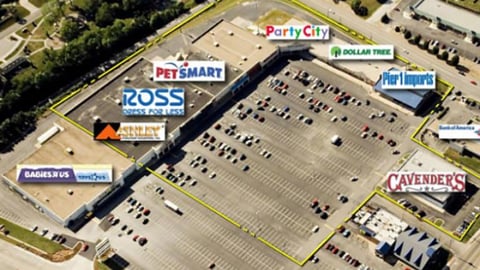
    Chase Properties has acquired North Point Shopping Center in Joplin, Missouri, from Kimco Realty Corp.

  • What Retailers Need to Know About Their Energy Bill — and How to Lower it

    Energy is the fourth largest in-store operating cost for retailers, with the average 50,000-sq.-ft. retail building spending around $90,000 each year on energy costs. Retail building managers are constantly trying to better regulate their buildings’ energy costs, so understanding where those charges come from can be extremely beneficial.   
  • Fast-growing Dutch retailer to bring womenswear store concept to U.S.

    Suistudio specializes in suits — but it's not dressing men.    Based in the Netherlands, the online women's apparel retailer is set to open its first U.S. store at the end of October, in New York City. The merchandise mix will emphasize no-fuss silhouettes that promise an "impeccable" fit and put a modern twist on the notion of power suiting — with in-store, while-you-wait tailoring available. In addition to suits, the mix includes shirts, dresses, and evening wear.   
  • Report: Online giant testing its own delivery service

    Amazon’s new program could give carriers like United Parcel Service and FedEx a run for their money.   The online giant is experimenting with a program that rivals services handled by longtime partners UPS and FedEx. Specifically, it is dabbling in a program designed to make more products available for free two-day delivery and relieve overcrowding in its warehouses, according to Bloomberg.  
X
This ad will auto-close in 10 seconds