Proposed SNAP restrictions could cost retailers $1.6B, says food retail groups

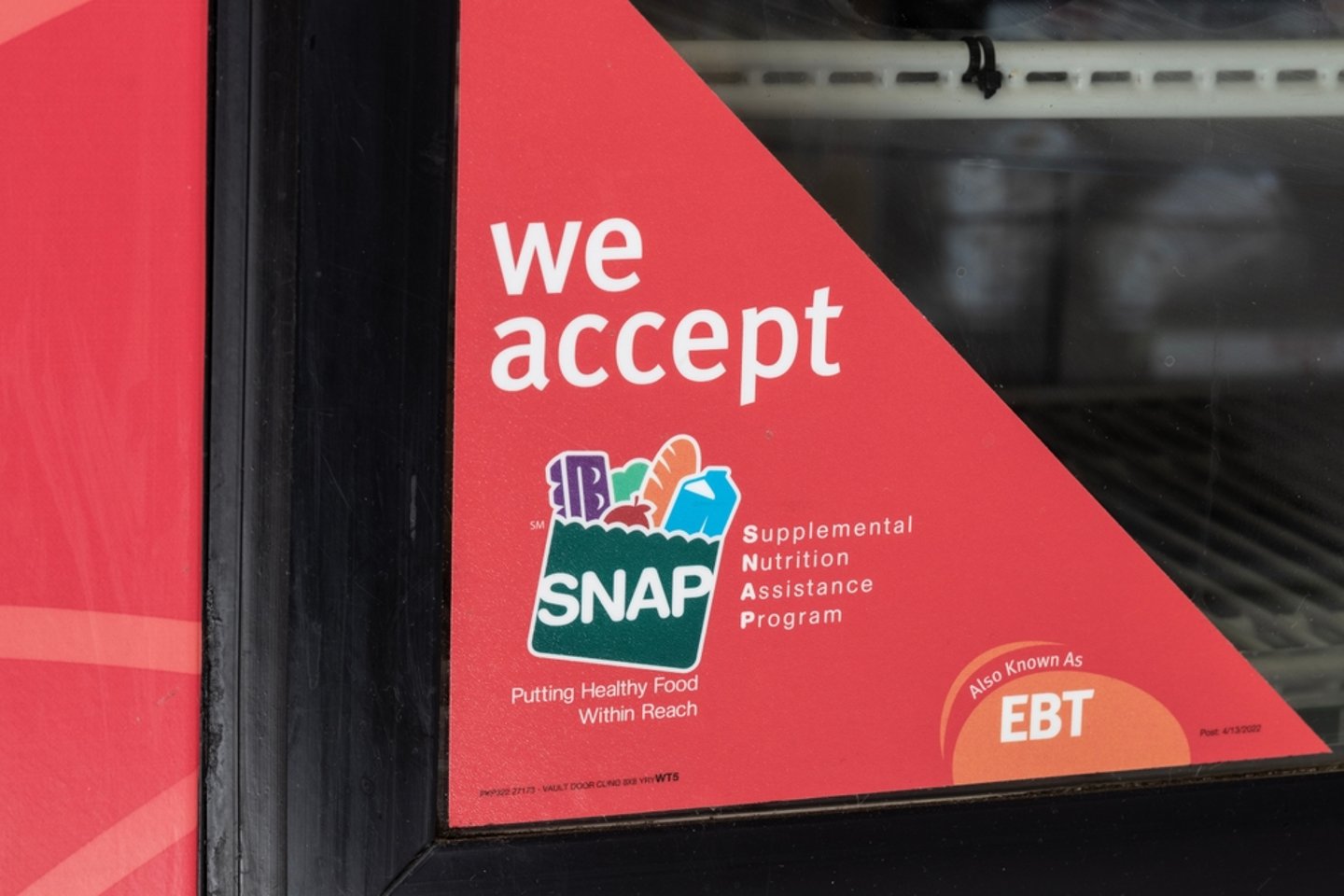
Food retail leaders are sounding the alarm about the impact of proposed restrictions on Supplemental Nutrition Assistance Program (SNAP) benefits.
The National Association of Convenience Stores, National Grocers Association, and FMI – The Food Industry Association, released the “SNAP Restrictions Impact Analysis,” which estimates the significant costs food retailers will face under proposed restrictions from the Trump Administration’s Federal spending bill. New SNAP Food Restriction Waivers will restrict the purchase of non-nutritious items like soda and candy.
The Impact Analysis from the three organizations reveals that the total up-front cost from SNAP restrictions is projected to be $1 billion for convenience stores, $305.1 million for supermarkets, $11.8 million for small-format stores, and $215.5 million for supercenters. The total cost across all channels is expected to be approximately $1.6 billion, which is equal to 1.9% of 2024 net income for all food retailers.
[READ MORE: Survey: How SNAP recipients, frequent grocery shoppers are cutting back]
In a joint statement, the three groups remarked, “Food retailers and convenience stores are committed to supporting efforts to improve the nation’s health, but the proposed restrictions represent significant new costs and operational challenges. Without clear guidance and adequate time, these well-intended changes will create unexpected difficulties of both retailers and the customers they serve.”
In addition to the up-front costs, ongoing annual costs of maintaining compliance are estimated at $378.6 million for convenience stores, $281.4 million for supermarkets, $18.0 million for small-format grocery stores, and $81.1 million for supercenters, totaling nearly $759.1 million per year.
“We’re working diligently to prepare for this new reality, but a patchwork of state restrictions brings significant cost and operational hurdles – especially for smaller and rural stores – and can create confusion at checkout,” said Peter Matz, director of food, pharmacy, and health policy at FMI. “Clear, consistent definitions and a more realistic timeline would help retailers successfully implement this new reality while keeping SNAP access smooth and dependable.”
Given the “scale and complexity” of the impending changes, SNAP retailers are calling on the United States Department of Agriculture and states to extend the timeline for implementing SNAP restrictions to allow retailers, especially independent and small retailers, to take adequate time to adapt systems and processes, and provide
clear and actionable” definitions of restricted foods to ensure that all retailers can comply.
The full Impact Analysis can be found here.