Predictive Analytics

  • The Limited predicts promotions

    Retailers always take a gamble when targeting promotions, and The Limited is doing its best to improve the odds. The specialty apparel retailer is using the First Insight InsightTargeting predictive analytics solution to determine which products and prices will appeal most among specific customer segments.

    InsightTargeting combines data from First Insight's real-time consumer engagements with behavioral data from CRM and social media platforms.

  • Exclusive: Getting Smart About Supply Chain Efficiency

    When it comes to keeping supply chain and logistics operations as efficient as possible, retailers are getting smart. Using centralized cloud platforms and business intelligence solutions, merchants can achieve real-time inventory awareness and supply chain operational data that improves overall front- and back-end performance.

    Here are three examples:

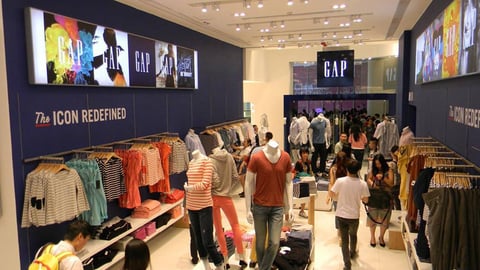
    Gap

  • Infographic: Clues that reveal online fraud

    The best means of online fraud remediation is to flag and prevent fraudulent transactions before they are processed. But what are the telltale signs of a fraudulent account?

    A new infographic from antifraud software provider Sift Science highlights some common risk factors retailers should look out for. For example, if three other accounts share a shipping address, it is four times more likely to be fraudulent. If two other accounts share the same credit card, it is five times more risky.

  • Case Study: How to save millions in energy costs

    Learn how Saks Fifth Avenue reduced its energy use by 23% and saved millions of dollars—with no adverse impact on the customer experience — at a Webinar on Thursday, September 24, 2015, at 2 p.m. (EST). Hear first-hand how Saks is adding to its bottom line by reduced energy consumption.

    Gary Levitan, senior manager of energy and utilities for Saks’ parent Hudson’s Bay Company will explain how the retailer used data to win budget approval for energy efficiency projects — and build longer-term energy plans.

  • Report: EMV will double online retail fraud

    A new survey reinforces what many already know: EMV makes in-store fraud much harder, but it drives would-be criminals online.

    Based on the experience of other predominantly English-speaking nations that switched to EMV-compliant payment cards, terminals and processors, online retail fraud will more than double in the U.S.

    According to a new infographic from online fraud prevention technology provider Trustev, online retail fraud will rise 106% in the U.S. in the first three years after the Oct. 1 EMV compliance deadline.

  • Report: Target in new push away from tech outsourcing

    Don’t assume that the layoff of 275 IT employees in August 2015 by Target Corp. means the retailer is reducing its focus on in-house technology operations. According to the Wall Street Journal, the layoffs actually set the stage for a big push away from IT outsourcing and toward hiring 1,000 new global technology workers.

  • Regional grocer automates back end to support growth plans

    Gelson’s Markets, which operates 18 full-service specialty grocery stores in Southern California, is supporting ambitious growth plans with a back-end technology upgrade. Gelson’s will implement JDA space and category management solutions to increase the efficiency and automation of its planning activities.

  • Study: Retailers sense need for improved demand planning

    Key forecasting metrics have remained essentially flat for five years, but one emerging technology offers retailers the chance for improvement. According to the sixth annual Forecasting Benchmark Study from supply chain software provider Terra Technology, companies using sensing demand systems consistently double overall forecast value-add and reduce error by 37%.

X
This ad will auto-close in 10 seconds