FINANCE

  • Struggling department store retailer strikes debt, pension obligations deals

    Sears Holdings Corp. has bought itself a little more time with regard to the maturity of some debt. It also has offloaded some of pension liability.      The retailer announced on Tuesday it has reached an agreement to repay $100 million of its secured $500 million loan facility at its original maturity in July, and extend the remaining amount until January 2018. The agreement includes an option to extend the maturity for an additional six months, to July 2018.  
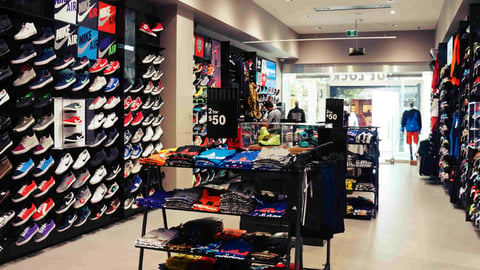
  • DSW turns in mixed performance

    Footwear retailer DSW Inc. fell short on earnings in its first quarter, even as it topped sales estimates.   Net income fell to $23 million, or 28 cents per share, below analyst expectations, from $30.0 million, or 36 cents a share, in the year-ago period. The company incurred pre-tax charges of $4.1 million, related to its acquisition of Ebuys, restructuring costs and foreign exchange loss assumed in the process of pre-funding the upcoming Town Shoes acquisition.   
  • Target makes history with data breach settlement

    Target Corp. has resolved its 2013 data breach with a deal that represents the largest multi-state data breach settlement in history.   The retailer agreed to pay a total of $18.5 million to settle the case. The money will go to 47 states and the District of Columbia, with California receiving the largest share of  the settlement, more than $1.4 million.    
  • Target CEO: Border adjustment tax would hurt my customers

    A current retail CEO and a former one found themselves at odds on Tuesday at a Capitol Hill hearing on the proposed border adjustment tax.    “Under the new border adjustment tax, American families – your constituents – would pay more so many multinational corporations can pay even less,” said Target CEO Brian Cornell. “Eighty-five percent of Americans shop at Target every year. We believe this new tax would hit those families hard, raising prices on everyday essentials by up to 20%.”
  • Athletic and apparel retailer off to slow start in Q1

    Foot Locker posted weaker-than-expected earnings and sales for its first quarter after high promotional activity and getting off to a slow start in February.        Net income for the company's first quarter ended April 29, 2017 was $180 million, or $1.36 per share, compared with net income of $191 million, or $1.39 per share in the year-ago period.  
  • Real estate developer acquires luxury footwear brand

    Harrys of London has a new owner with an interesting portfolio who wants to expand the brand.   The luxury footwear and accessories brand has been acquired by Charles S. Cohen, a New York real estate developer and media entrepreneur. Cohen, who acquired 100% interest in Harrys from Palladin Consumer Retail Partners, will assume the position of chairman. Palladin acquired a majority stake in Harrys in 2014.  
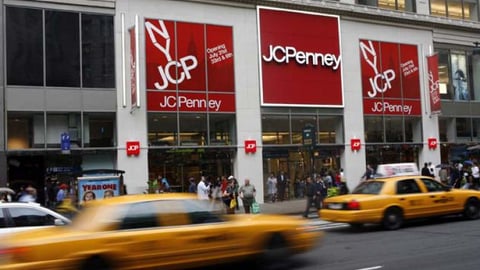
  • J.C. Penney checks into its newest business — hospitality

    A department store chain is pursuing a new business opportunity.   J.C. Penney now offers business-to-business solutions for operators and facility managers in the hotel and lodging industry, as well as the multi-unit residential industry. And the chain has a few categories that fit the bill.   
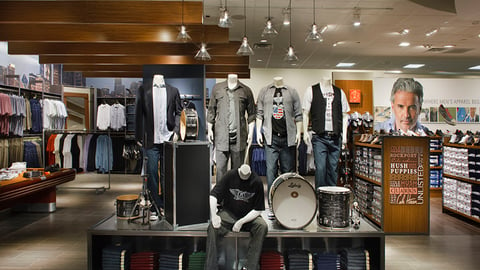
  • Menswear retailer swings to loss in Q1

    Destination XL Group Inc. posted disappointed earnings and sales in its first quarter, but sounded a confident note that it was back on track.   In its quarterly earnings release, the big-and-tall apparel retailer also refuted a recent report, which it said had been repeated by various media outlets, that called into question the company’s ability to repay its debt.  
  • Walmart delivers in first quarter; online sales skyrocket

    Walmart showed its muscle in the first quarter, reporting a big jump in online sales, an increase traffic at its U.S. stores, and earnings that beat the Street.   
  • Ace gains on income with minimal movement on revenue

    Ace Hardware reported a slight increase in revenue during the first quarter, as well as more substantial progress in net income.   Revenue came in at $1.2 billion, up 0.1% from the first quarter of 2016. Net income of $28.3 million was up 8.4% over the year.   Same-store sales were down 0.2% due to decreased customer traffic, reported by the approximately 3,000 Ace retailers who share daily retail sales data.  
X
This ad will auto-close in 10 seconds