
Tariff Uncertainty: How to create operational stability in evolving marketplace
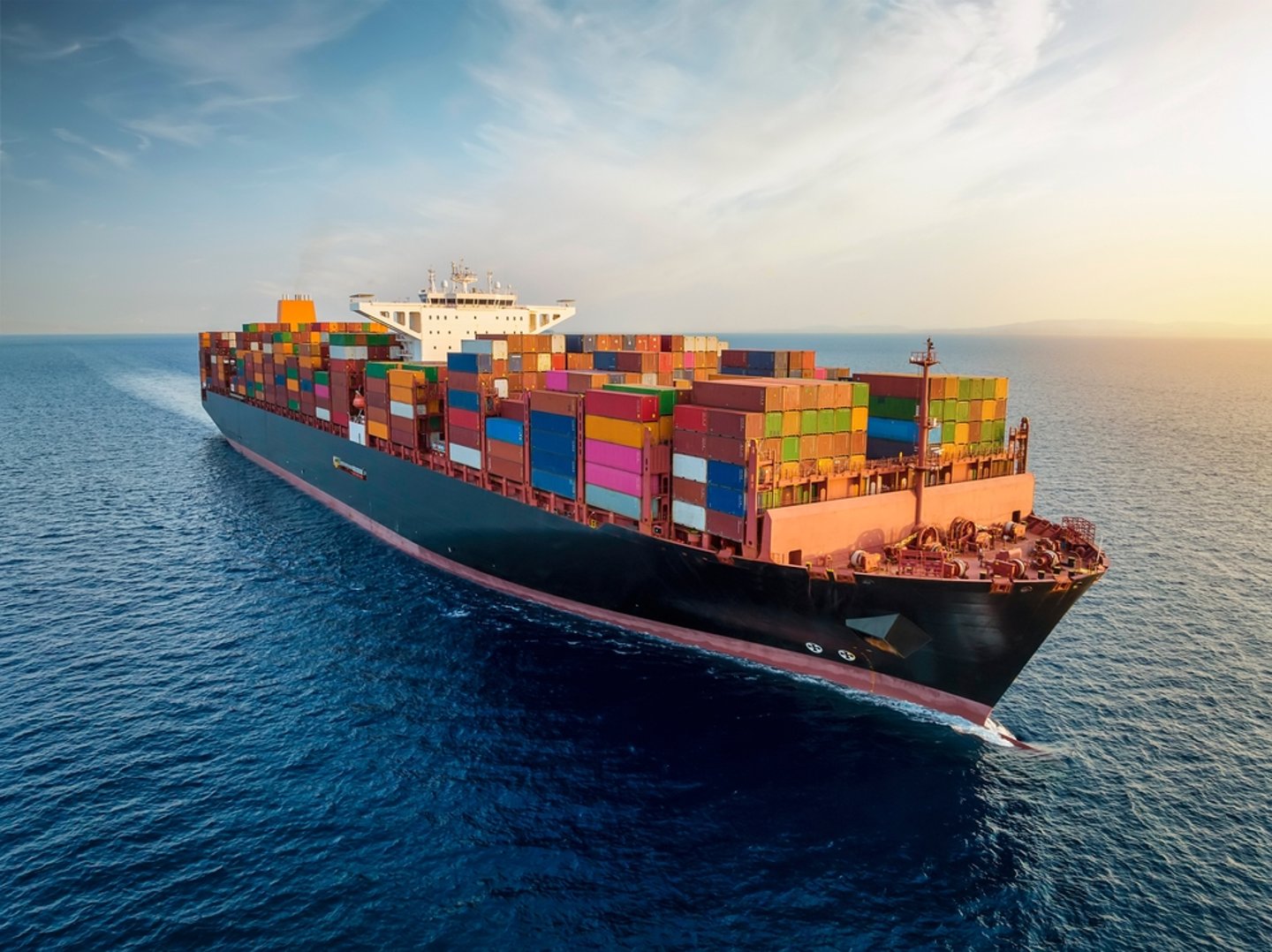
Tariff policies have drastically changed over the past year, requiring merchants to quickly adapt to new market rules.
As policies continue to shift and legal challenges work their way though the courts, the impact from tariffs has rippled through every aspect of e-commerce operations — from supplier negotiations and shipping strategies, to pricing models and customer expectations.
The final ruling may bring clarity, but it won’t restore operational simplicity. Global trade will remain dynamic. The key is to develop strategies that protect your business no matter how policies shift.
In Uncertain Times, Protect Margins
Some businesses have absorbed tariff-driven costs to preserve competitive pricing. While this can work in the short term, it erodes margin discipline and limits strategic flexibility over time. Instead, focus on pricing optionality. Merchants should understand true landed cost by product, segment customers by price sensitivity, and design pricing systems that can adapt as inputs change. Resilient margins come from optionality, not optimization.
That said, don’t lock yourself into fixed prices. Build flexible pricing systems that you can quickly adjust. This doesn't mean changing prices all the time, but rather being able to quickly pivot when it’s necessary. Most importantly, be honest with customers. Clear, proactive communication with customers about pricing changes signals operational maturity and helps preserve long-term trust and loyalty.
Working on your organizational resilience is another key step for protecting profits. Create financial models that test different scenarios by asking what would happen if tariffs were removed, doubled or added to new product categories. These questions help you understand your breakeven points.
Strengthen your supplier relationships through open communication. Working together to solve problems builds healthier partnerships capable of handling the economy’s ups and downs. Use these discussions to manage your stock more carefully and cut high-tariff items that move slowly.
Increase domestic safety stock, consider consignment deals, and get better at predicting demand to avoid both excess stock and shortages. Improved inventory visibility and forecasting help teams make better decisions — reducing capital tied up in slow-moving goods while protecting availability for high-demand items.
Pivot Sourcing and Shipping Strategies
Sourcing from a single country can be risky when new tariff policies take effect, so explore building relationships with suppliers in several regions. A good blend might include having at least one domestic supplier for critical or fast-moving items, suppliers in countries with stable U.S. trade agreements in place, and backup suppliers overseas in different tariff areas. Of course, too many suppliers can make quality control harder to manage and fulfillment even more complex. It’s about finding the right balance for your company.
For merchants shipping internationally, understand how tariffs affect cross-border strategies. De minimis rules vary by country and can change. Keep an eye on these thresholds and consider how they affect your global pricing and shipping plans. Sometimes splitting shipments or adjusting declared values within legal limits can help manage tariff exposure.
From our work with merchants, one pattern is clear: reliance on a single carrier increases your risk when shipping costs fluctuate. When tariffs raise costs, shipping becomes a bigger part of total delivered cost. Evaluate your carrier mix often to make sure you’re not overspending by using only one carrier.
Try negotiating more flexible contracts that allow you to adjust volume every quarter rather than every year. This gives you the ability to shift strategies as tariff policies evolve.
Moving Forward with Solutions
The Supreme Court’s pending decision on tariffs will help shippers determine their next steps, but the global trade landscape will remain complicated. Ultimately, resilience isn’t about predicting policy outcomes. It’s about reducing response time, preserving margin flexibility, and building operations that can absorb change without disruption.

Travis Rimel is VP of product and design at ShipStation, a cloud-based shipping tool for e-commerce businesses that brings orders from 150-plus platforms into one dashboard.