EXCLUSIVE: Consumers don’t trust social media companies with data

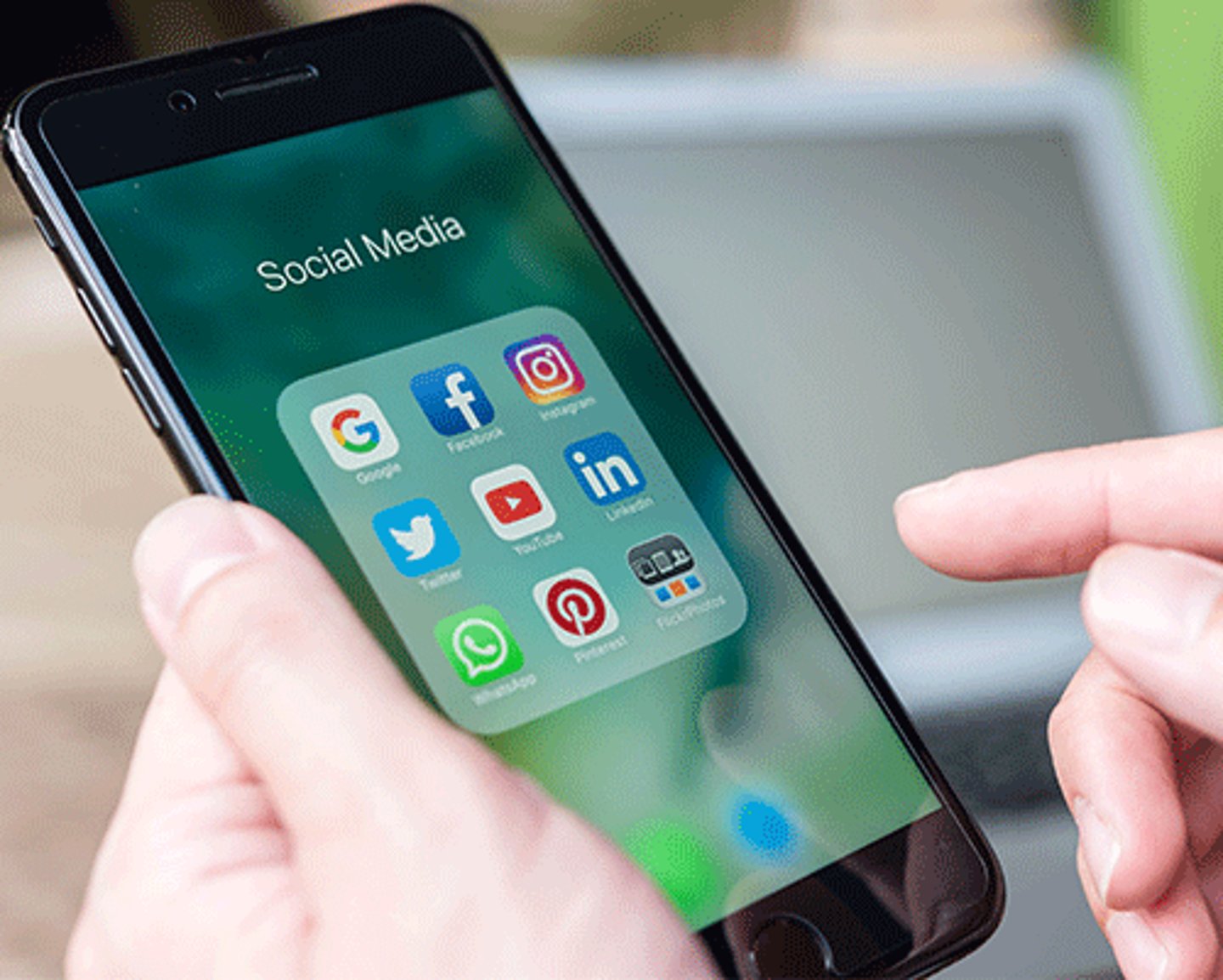
A new survey indicates that the social media industry has work to do in convincing consumers it will responsibly handle their data.
Results of a survey of more than 1,000 U.S. consumers exclusively released to Chain Store Age by secure web hosting provider Liquid Web indicate that only 14% of respondents feel confident their data is handled responsibly when shared with a company.
This lack of confidence has consequences, as seven-in-10 (69%) respondents have walked away from a purchase or sign-up when a site seemed untrustworthy. When asked what industries they trust most and least, healthcare led the most trusted industries (55%).
However, social media was far and away the industry respondents trust least with their data (76%), followed by e-commerce (49%) and tech platforms (47%). Respondents were also asked to select the companies they would trust most or least to handle their personal data responsibly.
They could choose multiple brands from a curated list of widely used consumer-facing companies that regularly collect personal or financial data, including contact details, payment information, and location, across sectors including tech, finance, telecom, e-commerce, and mobility.
Perhaps unsurprisingly, social media companies took the top three spots on the list of the 10 least trusted providers:
- Meta: 56%
- X: 45%
- TikTok: 44%
- Google: 24%
- Amazon: 22%
- DoorDash: 17%
- McDonald’s: 17%
- Uber Eats: 16%
- Netflix: 15%
- Microsoft: 15%
Here is the list of the top 10 most trusted providers, with Amazon, Google and Microsoft appearing on both lists:
- PayPal: 45%
- Capital One: 32%
- Chase: 30%
- Amazon: 28%
- Apple: 26%
- Venmo: 22%
- Zelle: 22%
- Google: 22%
- Amex: 20%
- Microsoft: 20%
Respondents also rated the factors that make them feel a website is trustworthy or suspicious in its handling of their data:
Trustworthy factors
- Clear explanation of how data is used: 60%
- SSL certificate 54%
- Well-known or recognizable brand 45%
- Clear return, refund or cancellation policies 42%
- Familiar checkout experience 40%
- Trust badges or third-party security logos 40%
- Verified customer reviews 39%
- Contact information that’s easy to find 37%
Suspicious factors
- Unusual or misspelled domain name 74%
- Poor grammar or spelling on site 73%
- Requests for unnecessary personal info 72%
- Lack of contact information 62%
- Prices that seem too good to be true 60%
- No visible privacy or data policy 59%
- Unfamiliar checkout process 59%
- Pop-ups or autoplay videos 55%
[READ MORE: Survey: Website speed, design, security key for online shoppers]
Other findings
- Six-in-10 respondents (and 71% of Gen Z) have used a fake name, email or burner account to interact with a site they didn’t fully trust.
- One-in-three respondents now use AI tools like ChatGPT, to vet brands.
- One-in-10 Gen Z respondents vet brands on TikTok before purchasing from them.
- Only 37% of respondents have trusted a brand more after it went viral or received social media praise. More than half (52%) haven’t and 11% are unsure. Gen Z (45%) and millennial (41%) had higher levels of brand trust.
See more Liquid Web findings.