
The eight forces that matter in retail

Most brands measure experience backward.
They track satisfaction. They monitor Net Promoter Scores. They review post-visit surveys. Those tools tell you how a visit ended. They do not tell you whether the brand gained momentum.
ChangeUp’s inaugural Experience Report recently evaluated 200 retail and restaurant brands across eight proprietary dimensions [using consumer survey data and AI-powered sentiment analysis]. It was undertaken not to
create another ranking system. But to isolate the forces that determine whether customers seek a brand out, talk about it with friends and choose it again when they didn’t have to.
The premise is straightforward: Customers don’t remember stores or restaurants the way operators think they do. They remember how a visit made them feel. And those feelings are not random. They move in patterns.
The Eight Dimensions — and the Human Forces Beneath Them
Each dimension captures a visible behavior. Beneath each score sits a psychological driver.
| Dimension | What It Measures | The Human Force |
| Visit Desire | Do customers feel pulled to visit? | Anticipation |
| Memorability | Did the visit leave a mark? | Story |
| Natural Advocacy | Did they mention the brand this week, unprompted? | Pride |
| Return Intent | Will they come back because it earned it? | Trust |
| Relevance | Does the offer fit their life right now? | Personal Fit |
| Novelty | Do they expect something new? | Momentum |
| Staleness | Is appeal declining over time? | Drift |
Individually, each measure is intuitive. Together, they behave less like independent metrics and more like parts of a system. Strengthen one meaningfully and others often follow. Neglect one long enough and the system begins to weaken.
A brand can be useful and credible and still lack pull. The difference reveals itself not in any single score, but in how the eight dimensions move together.
What the Patterns Reveal
In retail, novelty and visit desire tend to rise and fall together. When stores visibly evolve (new product, refreshed environments, signals of forward motion) anticipation builds. When change disappears, so does the impulse to go.
In other words, novelty in retail is not decoration. It signals movement. Remove it and the sense of momentum fades. Restaurants behave differently. Regular guests do not return to their favorite location because something changed. They return because it worked last time. Because it felt right. Because it is dependable.
In that environment, memorability and advocacy exert more influence than “novelty.” A limited-time menu item
might spark curiosity, but repeat behavior is anchored in trust and emotional imprint. Novelty can provoke reconsideration during a rebrand. It is less critical for sustaining loyalty among fans.
The lesson is not that one force matters and another does not. It is that forces behave differently depending on the environment they operate in. Retailers that stop refreshing their experiences quietly weaken a primary traffic driver. Restaurants that over-rotate toward novelty risk chasing trends instead of strengthening attachment. The model surfaces these distinctions clearly.
Experience Operates as a System, Not a Collection of Scores
Across the 200 brands studied, the pull dimensions — visit desire, memorability, natural advocacy and substitutability — tend to move together. When one strengthens meaningfully, the others often follow. When one softens, cracks begin to appear elsewhere.
Advocacy and irreplaceability, in particular, behave like twins. Brands people talk about are almost always brands they feel they cannot easily replace. When customers speak about you with pride, they are signaling emotional ownership.
Weakness also clusters.
Among the lowest-ranked brands in the study, underperformance rarely appeared in isolation. It spread across dimensions. No struggling brand had a single standout area of strength capable of compensating for weakness elsewhere. At the other end of the spectrum, “spike-but-fail” brands in the middle are equally instructive. Walmart has three good scores on more functional dimensions (return intent, substitutability, relevance) and still ranks 163rd overall.
Home Depot too has four good scores on some dimensions and sits near the bottom on visit and desire. Victoria’s Secret spikes on four dimensions and lands at 120th.
Functional strength without emotional pull isn’t enough. Functional strength can earn transactions. Emotional pull earns a more powerful connection that leads to loyalty. Functional strength earns transactions. Emotional pull builds preference that survives alternatives. One sustains revenue. The other builds insulation.
A Diagnostic, Not a Leaderboard
The eight dimensions were not designed to crown winners. They were built to detect drift early. If visit desire begins to soften, traffic pressure will eventually follow. If memorability weakens, advocacy thins out. If novelty fades in retail, anticipation declines long before revenue does.
Customers rarely exit in a dramatic gesture. They drift. Gradually. Quietly. Almost invisibly. The Experience Report makes that drift measurable before it becomes irreversible. A scorecard tells you your position today. A diagnostic tells you your trajectory.
The strategic question is not “How did we rank?” It is: Which forces are strengthening? Which are weakening? And what will that compound into over the next several years?
Brands become habits when they are merely reliable. They become destinations when they generate pull. The difference is measurable. And once you understand the forces beneath it, it becomes manageable.
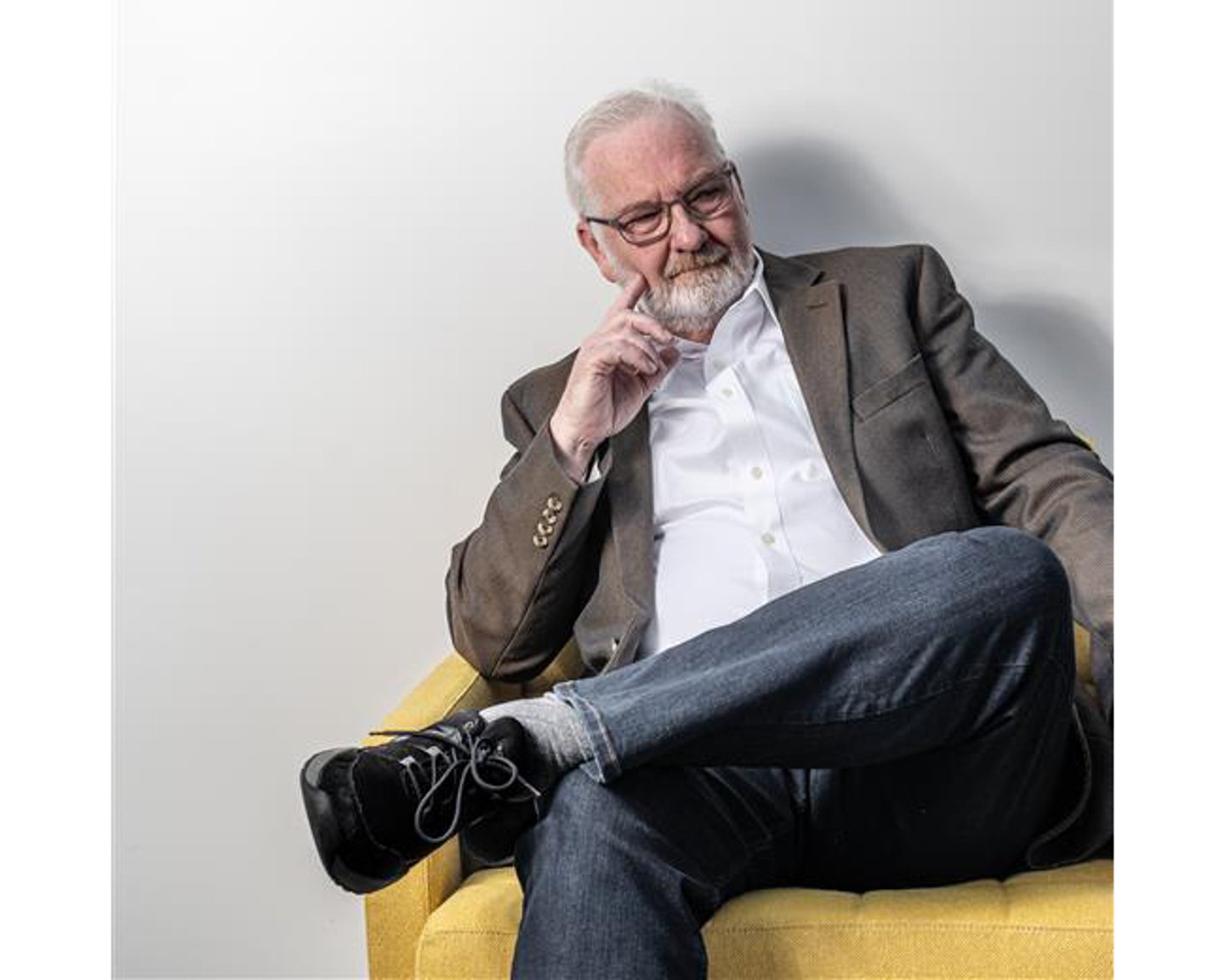
Bill Chidley is executive director of strategy at experience agency ChangeUp, and author of The Brand Vortex. He has worked with clients — including Honda, Burger King, Home Depot and P&G — to develop new retail concepts and integrate new digital and mobile experiences, using insights-driven strategy and creativity.