CoStar: Retail vacancy rates to rise in first half of 2026

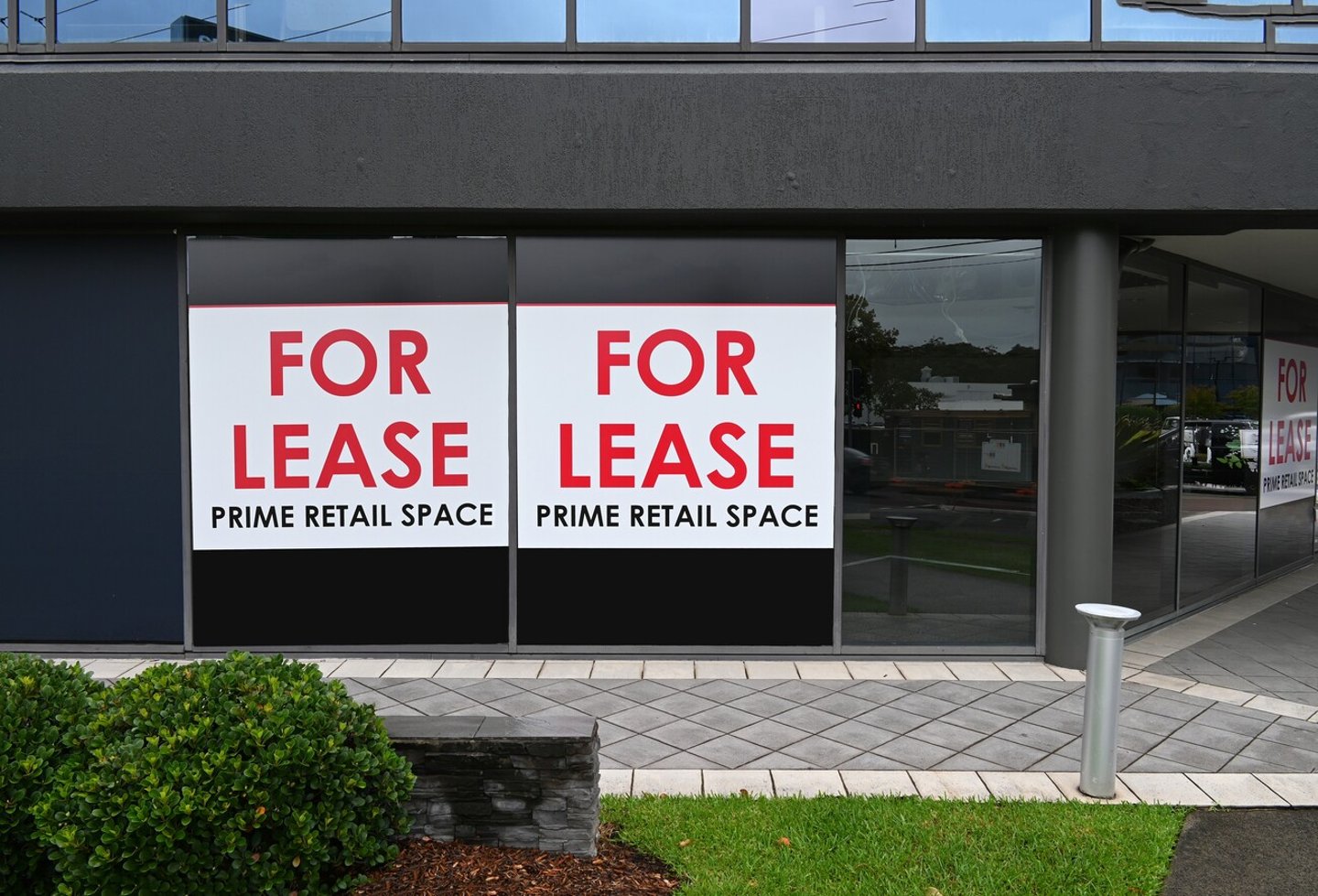
Retail construction starts have fallen sharply amid rising costs.
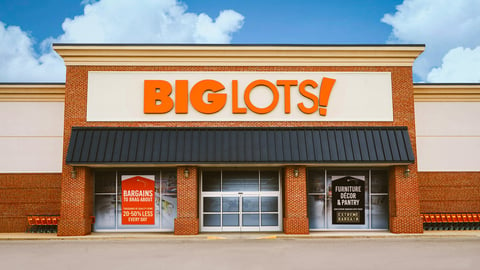
That’s according to a forecast from CoStar, a global provider of online real estate marketplaces company, information and analytics in the property markets. Following positive demand and a slowdown in store closures during the third quarter of 2025, the near-term U.S. retail outlook includes a rise in vacancy rates through the first half of 2026, peaking under 4.4% in the latter half of the year.
Though receding, store closures are expected to remain elevated over the coming quarters. Net absorption is forecast to average 3.8 million square feet per quarter in 2026, well below the prior five-year average of 9.8 million.
“The U.S. retail market entered the final quarter of 2025 on firmer footing, following a turbulent first half marked by elevated store closures and negative net absorption,” said Brandon Svec, national director of retail analytics at CoStar Group.
Retailers vacated 3% less space than in the third quarter, and the pace of move-outs moderated as bankruptcy-driven closures tapered, added Svec.
“Those demand drivers combined with near-historically low level of space availability, steady backfill demand, and new minimal supply are expected to limit the magnitude of vacancy expansion,” he said.
Construction Activity
Figures for retail construction starts have fallen to multi-decade lows amid sharply rising costs, noted CoStar. With a significant gap between market rents and the rents required to support new development persisting, construction activity is expected to remain subdued for the foreseeable future, the company said.
“The current forecast carries both upside and downside risks, though the balance currently tilts towards the downside,” said Svec. “Significant uncertainty remains around the impact of tariffs on an already fragile consumer. While suppliers and retailers have largely absorbed these costs to date, many have signaled that price increases are imminent. With consumers already showing some signs of spending fatigue, tariff-related price hikes could further strain household budgets and dampen discretionary spending.”