Consumer Edge: Chili's, Texas Roadhouse, Olive Garden ride boom in value dining

With inflation fatigue setting in, consumers across income levels are becoming more deliberate about dining out.
Restaurant spending has held steady through 2025, even as consumers become more selective about where they dine and place greater emphasis on value and reliability, according to Consumer Edge’s 2026 Restaurant Outlook. The firm’s transaction data shows that brands such as Chili's, Texas Roadhouse and Raising Cane's are gaining market share by pairing fair pricing with consistent experiences, signaling a new era where value, not hype, is driving industry growth.
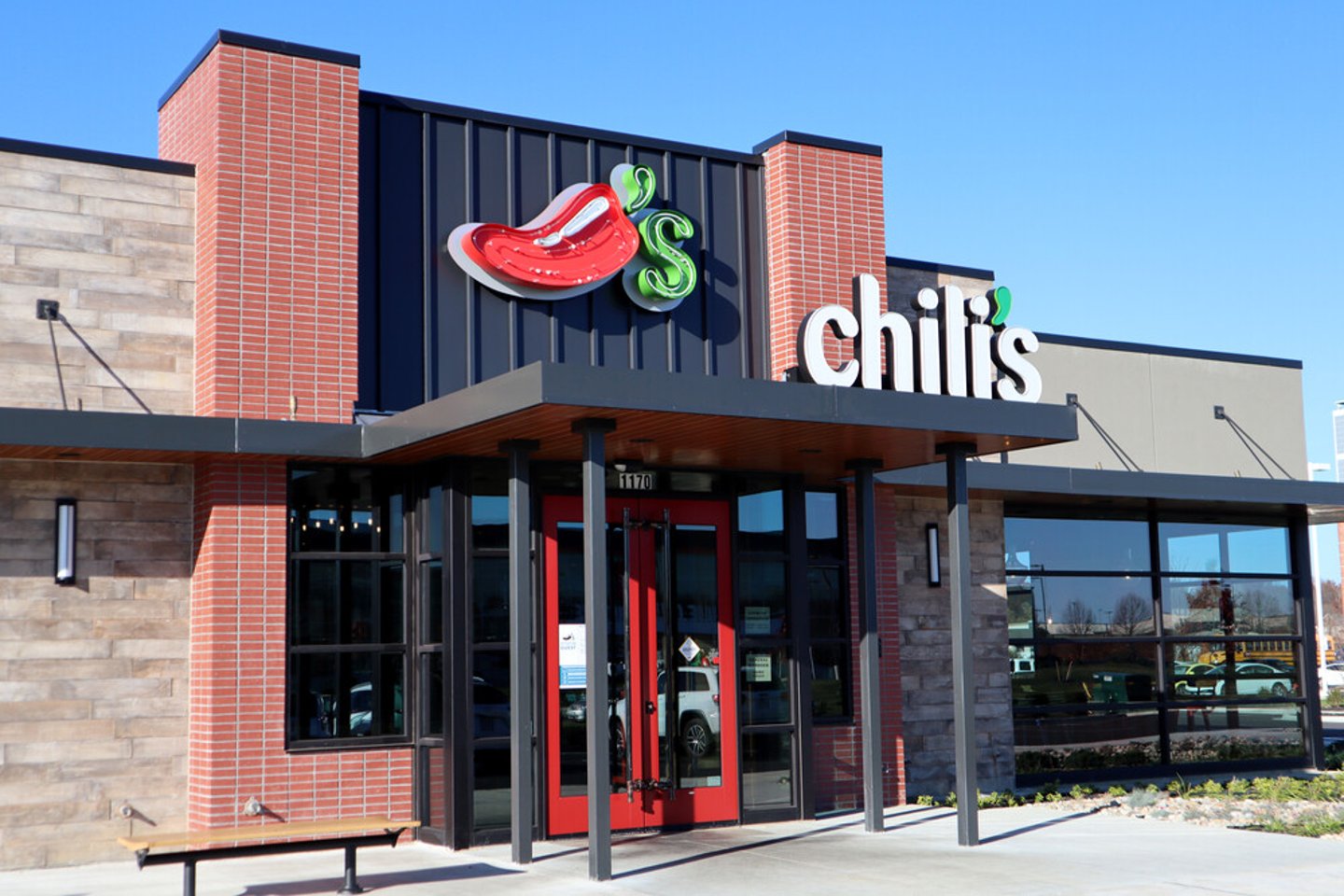
In the third quarter of 2025, Chili's, Texas Roadhouse and Olive Garden all saw steady growth as middle-income consumers opted for affordable sit-down meals. Red Lobster also rebounded during the same period after introducing new value combos and a simplified menu.
“These trends point to 2026 as a year when casual-dining leaders could build on that momentum, offering quality meals and reliable service without the premium price tag to maintain share,” noted Consumer Edge.
Key findings of Consumer Edge’s 2026 Restaurant Outlook are below.
- Value drives shifting wallet share: Consumers across income levels are becoming more deliberate about dining out, and grocery spending has gained share of stomach across all income groups. The result is a more polarized landscape where consumers are either trading down for savings or trading up for experience and atmosphere.
Chicken chains lead a multi-year growth trend: Since 2019-2020, the chicken category has expanded by 50%, fueled by menu simplicity and strong brand trust. Within the segment, Raising Cane's has nearly doubled its market share to 11% over that time, overtaking Popeyes and KFC, while Chick-fil-A maintains its commanding lead with about 50% of total category spend.
The data suggests this strength could continue into 2026, supported by consistent value, operational efficiency and broad appeal across income levels, according to Consumer Edge
- Some fast-casual brands lose momentum: Chipotle and Panera saw slower year-over-year growth during the third quarter as higher prices weighed on consumer demand, while Panda Express gained traction through menu innovation and digital engagement. The segment's mixed performance underscores how consumers are becoming more selective — rewarding brands that balance novelty with clear value, a trend likely to shape spending patterns into the coming year.
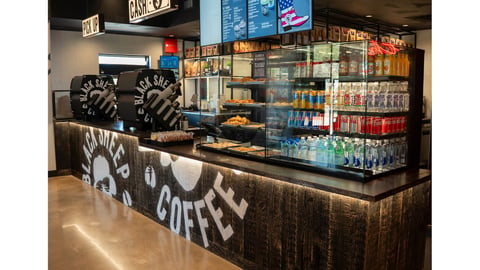
- Regional favorites drive new growth: In the Southern U.S., Freebirds World Burrito and Biscuitville led year-over-year growth in the third quarter as consumers embraced comfort dining. Northeast standouts Springbone Kitchen and Blank Street Coffee thrived on healthy, convenient offerings. Together, these regional players highlight how local identity and community connection are becoming just as influential to dining choices as price or convenience.
"For restaurant brands, value in 2026 needs to go beyond discounts — they need to build consumer trust through fair pricing, consistent experiences and menus that deliver quality and satisfaction at every price point," said Michael Gunther, VP, head of insights, at Consumer Edge. "Today's consumers have adapted to years of inflationary pressures, and the brands seeing real momentum in this industry are those that treat value as part of their DNA, rather than a short-term promotion."
Consumer Edge tracks more than 600 restaurant brands across all major categories, including casual dining, family dining, fast casual, fine dining, quick service and upscale casual. The analysis also includes wallet share by income, market share across different transaction sizes, customer retention and loyalty trends and demographic exposure by both income and age — offering new visibility into how the K-shaped economy and generational factors are influencing consumer dining behavior.