C-store Buc-ee’s ranked as top quick-service restaurant in U.S.

Convenience stores have come into their own as quick-service meal destinations for many consumers, with two regional C-store chains taking the top spots in a new national ranking.
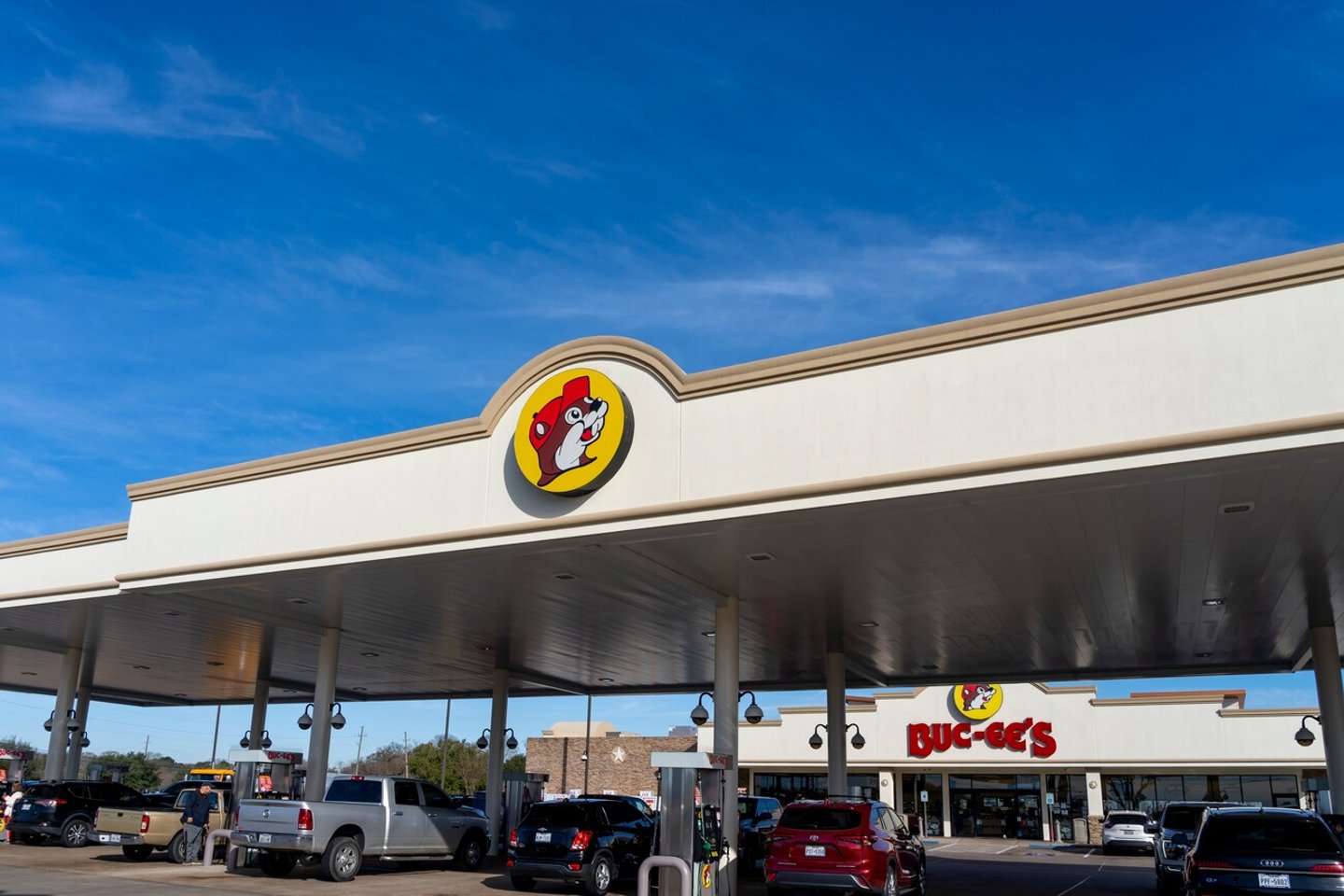
With some 54 stores, Buc-ee’s was the top ranked U.S. quick-service restaurant in Dunnhumby’s Retailer Preference Index (RPI) QSR edition. Kwik Trip, which operates more than 850 stores across the Midwest came in No. 2. In-N-Out, Raising Cane’s and Chick-fil-A rounded out the top five.
For its inaugural QSR-focused RPI, Dunnhumby evaluated 58 U.S. QSRs. including seven leading convenience stores. (For the report, QSRs are defined as foodservice retailers offering fast, convenient meal solutions, including traditional QSR chains and leading convenience stores where the majority of customers use that convenience store as a meal destination.)
Five of the top 14 in the first quartile are convenience stores, reflecting the blurring of the lines between traditional QSRs and convenience stores, according to the report.
“We are clearly seeing that a majority of consumers now see convenience stores as legitimate, and sometimes preferable, quick service meal destinations,” said Matt O’Grady, Dunnhumby's president of the Americas. “For traditional QSRs, this shift underscores the importance of understanding what today's customers truly want and taking strategic steps to deliver on those expectations. The brands that recognize this evolving landscape and focus on the right areas will be best positioned to meet customer needs in an increasingly competitive market."
Key findings from the study are below.
- The most successful QSRs excel in customer perception across six critical areas, ranked by importance Quality experiences and products, visibility, convenience and speed, affordability, product variety and a seamless experience. While some brands focus on a single pillar, top performers typically excel in at least two of the four most important areas.
- Top-performing QSRs are growing significantly faster Over the past five years, retailers in the top quartile increased foot traffic by 5.9% annually, compared to just 0.2% for those in the bottom quartile and 2.5% for the third quartile. This means top performers are growing six times faster than most other retailers. These brands also enjoy higher levels of customer trust and emotional connection, as seen in customer disappointment when locations close.
- Buc-ee’s and Starbucks lead in visibility These two brands stand out for their strong presence on social media and branded merchandise, as well as their high-quality offerings and product variety. Their dominance in the "fourth place” — a term for brands that occupy a unique space in consumers’ minds and social media feeds — has helped them achieve industry-leading metrics, such as visit frequency for Starbucks and emotional connection for Buc-ee’s.
- McDonald’s has the highest QSR market share in the U.S. due to its top 10 ranking on visibility and convenience However, there are opportunities in other pillars that prevent it from ranking in the top tier.
- Dunkin’ dominates breakfast Seventy-six percent of Dunkin’ customers visit for breakfast, 14 percentage points higher than second-place Starbucks. Dunkin’ also ranks in the top 10 for coffee, snack, and dessert missions, making it the only brand to lead in a major meal occasion while also excelling in multiple secondary categories.
- Pizza chains face challenges While traditional pizza restaurants perform well in affordability and ease of transactions, they rank lower overall due to weaker scores in product and experience quality.
The QSR RPI score measures customer perception of QSRs, weighing factors linked to long-term retailer success. The study covers 58 U.S. QSRs, including seven top convenience stores.
In addition, Dunnhumby collected data on emotional connection to each retailer, stated behavior at each retailer, and combined that with six years of foot traffic data, sourced from industry-leading geolocation provider Placer.ai, for each retailer. Flywheel provided financial data and customer insights come from a survey of 10,500 U.S. consumers.