Research Topic

  • Tech Bytes: Why Aren't Customers Buying Social Buy Buttons?

    Consumers love to shop and love using social media, but somehow the two passions are not connecting.
     
    Twitter, which has been piloting an embedded buy button in tweets since September 2014, is abandoning the effort. Recent studies from Forrester and GlobalWebIndex indicate generally low consumer usage rates for social buy buttons, which are also offered by platforms such as Pinterest and Instagram.
     

  • Survey: Retailers support seamless customer experience

    Increasingly, retailers are recognizing the need to remove boundaries between channels to maximize customer satisfaction.
     
    According to the 2016 Customer Experience/Unified Commerce Survey from Boston Retail Partners, 51% of retailers indicate that creating a seamless experience across channels is their top priority. To support a seamless customer experience, 23% of the retailers surveyed have already implemented a single, unified commerce platform and another 52% plan to implement one within the next three years.
     

  • Pandora extends Synchrony financing agreement

    Synchrony Financial will continue to offer consumer financing to Pandora Jewelry customers.

    The two companies have announced a multi-year extension of their consumer financing program agreement. The program, which began in 2011, will continue to provide Pandora shoppers with access to a range of payment options through the Pandora Preferred card program. Special financing will be available at select concept stores nationwide.

  • Survey: What social platform influences back-to-school shoppers?

    The current school year is just ending, but consumers are already looking ahead to the fall.

    According to a new survey of 300 U.S. adults who plan on leading their families’ back-to-school shopping efforts from social engagement firm CrowdTap, blogs and social media conversations rival traditional advertising formats (e.g. magazine circulars and TV ads) when it comes to what drives back-to-school purchases.

  • May same-store sales fizzle

    With a couple of exceptions, May same-store sales figures reported by several major apparel, specialty and discount chains were less than impressive.

    First the good news. Bath & Body Works reported a 3% same-store sales lift for May 2016 compared to the same month a year earlier. Same-store sales at Costco Wholesale Corp. and L Brands were flat, which may not sound that encouraging but was better than most other retailers reporting figures for the month.

    Here is a roundup of other chains reporting negative same-store sales growth for the month.

  • Study: The price may not be right for retailers

    Retailers are not feeling confident that their pricing strategies are satisfying consumers.
     
    A new report on pricing conducted by RSR Research and sponsored by retail consulting and analytics firm Precima, “Pricing 2016: Life Becomes Unmanageable,” reveals retailers are worrying that consumers do not believe they are priced competitively enough.
     

  • Survey: A good fit makes all the difference

    Incorrect fit is costing retailers billions of dollars — literally.
       
    In 2015, $62.4 billion worth of global apparel and footwear purchases were returned due to incorrect sizing, according to a survey by digital body analysis technology provider Body Labs.

    The survey found that that 23% of all clothing gets returned, with 64% of respondents claiming “incorrect fit” as the major reason for the return. And 77% of respondents who prefer shopping online stated that poor fit is the biggest reason for returning clothing.

  • Report: Wal-Mart will have to go to native in China to succeed

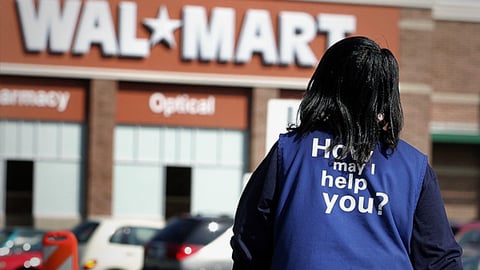
    With a fast-growing $1.5 trillion grocery market, China is the ultimate prize for Wal-Mart, according to an Associated Press report. But the retailer will have to adapt to succeed in what it is a very different marketplace than America.

    “If the Arkansas-based company wants to win over foreign consumers, it has to shed some of its American ways, and cater to very different customs and conventions that are fast changing,” the report said.

X
This ad will auto-close in 10 seconds