Consumer Attitudes & Behavior

  • Survey: Big jump in perception of risk with m-commerce

    Boise, Idaho -- While the mobile channel continues to grow in importance for retailers, do does their fear of fraudulent attacks and the realization that combating the risk requires specialized tools. Those are some of the findings from the 2nd Annual Mobile Payments and Fraud Survey.

    The study, conducted By Kount, The Fraud Practice LLC and CardNotPresent.com, surveyed more than 1,000 merchants around the globe as well as service providers, card associations and issuers. Notable findings from the study include:

  • The list no retailer wants to make

    Kmart and Sears are among a group of companies identified as “the least engaging brands of 2014,” in a recently released index of customer loyalty.

    "A brand can't do well in today's marketplace if it can't engage consumers, no matter how many ads are run, and no matter how much social networking one does," said Robert Passikoff, founder and president of Brand Keys, a New York-based brand loyalty and emotional engagement research consultancy.

  • Report: Abercrombie to target collegiate shoppers

    New Albany, Ohio – Abercrombie & Fitch Co. reportedly plans to shift its marketing and merchandising focus from teens to college students. According to Bloomberg, Abercrombie executives said they will shift marketing, assortments and pricing to appeal to the collegiate market.

  • Report: Costco seeks younger customers

    Issaquah, Wash. – Costco Wholesale Corp. is reportedly attempting to draw in younger customers. According to The Seattle Times, after recently missing quarterly earnings estimates, Costco is taking active steps to attract a younger shopper demographic.

    These steps include piloting a same-day delivery service with Google in San Francisco, building up its social and online efforts, and increasing its offerings of organic products such as kale.

  • Report: 60% of Millennials will share personal info with brands

    Chicago – Sixty percent of Millennials would be willing to provide details about their personal preferences and habits to marketers, whereas Baby Boomers are much more protective of their personal information. According to a new study from Mintel, even for the most private of information, at least 30% of Millennials who claimed they would not provide it said they would do so after receiving an incentive offer (i.e., a $10-off coupon toward their next purchase), whereas for Baby Boomers only 13% could be swayed by these same type of incentives.

  • Target shoppers wary

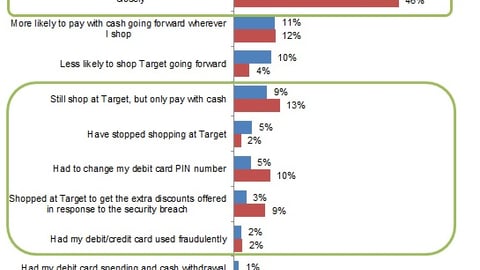
    Target’s database breach in December 2013 not only affected the retailer’s fourth quarter comparable store sales, but also contributed to plummeting shopper penetration post-holiday.

    Kantar Retail ShopperScape data indicates that just 33% of U.S. households reported shopping at Target or SuperTarget during January 2014, the lowest penetration number for Target in the past three years, and a 22% decrease in penetration compared to January 2013.

  • Survey: 39% of consumers ‘very confident’ in credit/debit card safety

    Lenexa, Kan. - Only about four-in-10 (39%) of consumers are "very confident" that using a credit or debit card was safe. Half (49%) of consumers surveyed were only "somewhat confident." In light of the mass retail payment security breaches in recent months, Balance Innovations surveyed shoppers about their confidence in using credit and debit cards at their primary grocery store and whether they have changed their payment methods in response.

  • Retail jobs down in February

    National Retail Federation president and CEO Matthew Shay and chief economist Jack Kleinhenz issued a response to the organization’s February jobs report.

    “While there are signs of modest momentum in the economy, now is not the time to play partisan politics with the recovery by forcing federal mandates on retailers and small business owners like an increase in the minimum wage,” Shay said. “Such policy decisions could hamper economic growth and actually drive up the unemployment rate.”

X
This ad will auto-close in 10 seconds