Corporate Governance

  • West Elm in two new store openings

    West Elm doesn’t believe in cookie-cutter stores.   The home furnishings retailer will open its location in the state of Rhode Island, in Providence’s Wayland Square neighborhood on Sept. 1. The 11,473-sq.-ft. store will incorporate unique design elements that pay homage to Rhode Island’s history and coastal proximity.  
  • Sears’ losses mount in Q2; accepts loan from Eddie Lampert

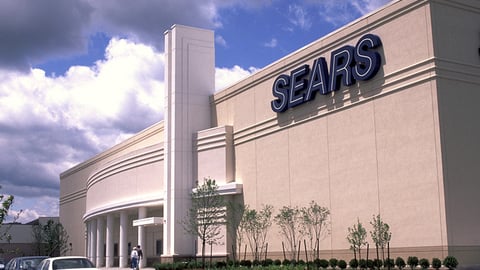
    Sears Holdings Corp. swung to a loss amid declining sales in the second quarter, and chairman and CEO Eddie Lampert stepped in with more financing for his embattled company.   Sears said it had accepted a $300 million debt-financing offer from Lampert’s hedge fund, ESL Investments Inc. The loan is secured by a junior lien against Sears's inventory, receivables and other working capital.  
  • Dollar Tree Q2 sales disappoint

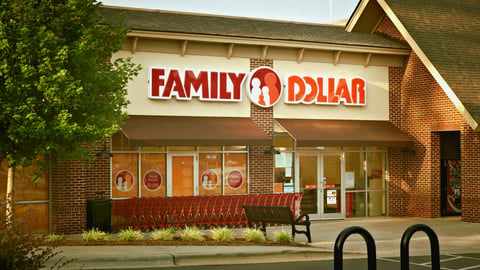
    A little over one year since it acquired rival Family Dollar, Dollar Tree reported revenue that missed Wall Street expectations amid lower customer traffic.     Dollar Tree and other discounters are also feeling the impact of a recent change by some states regarding the criteria for the Supplemental Nutrition Assistance Program (SNAP), which has made thousands of households ineligible for benefits.      
  • Five Below’s store count to reach big number

    Five Below continues its rapid expansion.   The extreme-value retailer will open its 500th store in Trexlertown, Pennsylvania, on Sept. 9.  
  • Dollar General Q2 sales fall short

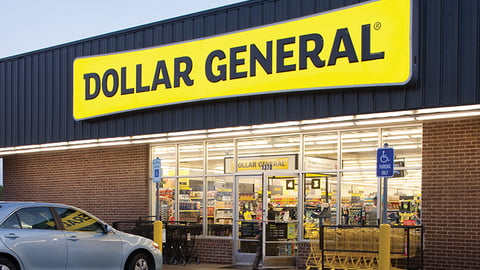
    Dollar General Corp. reported lower-than-expected revenue for the second quarter amid increasing competition and reduced food stamp coverage.   The company’s net income was $306.52 million, or $1.08 per share, in the quarter, compared to net income of $282.35 million, or $0.95 per share, in the year-ago period.   Net sales increased 5.8% to $5.39 billion, compared to $5.10 billion last year.   
  • What’s happening in Vegas is staying downtown

    Detroit is not the only town that spent the past few decades building outward before looking inward. In June, the Las Vegas City Council approved a master plan for its Downtown district, focusing on both historic attractions and new development to drive more traffic there.

    To make it happen, it hired RTKL, an architecture and urban design firm whose completed projects include Mirdif City Centre in Dubai and L.A. Live. Its plan calls for the establishment of a tech business center, expansion of its health care services and at least 5,000 new residents.

  • In the cool, cool, cool of the city

    More and more these days, shopping center developers find themselves in the role of town planner. Once dedicated to creating pleasant spaces for people to shop in, they now are challenged to create places for people to live, play, eat and be entertained in. Build that, they’re told, and shoppers will come. But droves of millennials fleeing suburbs in search of more fulfilling urban lifestyles are giving developers an assist. In some cases, they’re hewing their own downtowns out of rough old sections of town. In others, old downtowns are remaking themselves to welcome this new city stock.

  • ON THE LEVEL

    My face and name may be unfamiliar to you, but hopefully that will soon change. I have covered retail for decades, never retail real estate. But, I am happy to have landed in this spot. For, just as retailers need new traffic to thrive and grow, so do writers need new material, and this beat is rife with material.

    Here’s what excites me about this space. It’s something I trust also excites — and perhaps scares — you retailers and developers out there. You are America’s new town planners.

  • Not enough of a good thing

    With few new grocery centers being built, developers are upping the ante on existing ones

    Pat Donahue, together with his late brother Dan and business partner Tom Schriber, has been in grocery-anchored shopping centers since the ’90s. That’s when Schriber calculated that the company’s long-term fortunes, which had rested on mall development up until then, would be better wagered on high-traffic “necessity-based” retail.

    “At malls you get ’em three times a month.

  • STORE BARRICADES WITH CURB AND BRAND APPEAL

    High-quality, graphically interesting store barricades can turn an unsightly construction or remodeling site into a brand-enhancing billboard for a retailer. Chain Store Age spoke with Bob Putnam, the president and founder of Boston Barricade Company, about the evolving nature of retail construction barricades.
        
    How have retail construction barricades changed over the years?

    Thirty years ago, 98% of all retail barricades were constructed using metal framing and drywall. But today, that number is down to 35%.

X
This ad will auto-close in 10 seconds