Sustainability

  • Albertsons sets goal for cage-free eggs by 2025

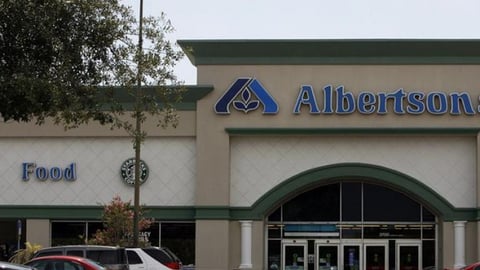
    Albertsons is joining other major retailers in working with its suppliers toward a goal of sourcing only cage-free eggs for its store operations.

    The company, among the first and largest in the conventional retail grocery sector to make such a commitment, is making the move not only as part of its ongoing commitment to animal welfare but also in response to customer buying habits.

  • Online marketplace Etsy outlines path to profitability

    Etsy’s goal of “reimagining commerce,” is a long-term proposition, which explains why after the company lost money again in the fourth quarter it tempered the news with a rosy three year sales and profit forecast.

  • What’s part of a bowling alley doing in Whole Foods?

    Whole Foods Market’s knack for recycling and showcasing local memorabilia is reflected in its just-opened store in Wauwatosa, Wisconsin.

    The 47,500-sq.-ft supermarket features a reclaimed bowling alley wood cladding at the juice bar. (Milwaukee is home to the oldest certified bowling alley in the United States.) A firefly motif is incorporated throughout the space, which was constructed by Chicago-based Novak Construction. (Wauwatosa is named after the Native-American Potawatomi tribe’s word for firefly.)

  • CBRE ranked among Fortune Magazine’s most admired companies for fourth consecutive year

    Los Angeles -- CBRE Group announced that it has been ranked among Fortune’s Most Admired Companies in the real estate industry for the fourth consecutive year.

    Fortune rates companies on attributes related to corporate performance. In the 2016 program, CBRE was the top-rated real estate firm for people management and also scored notably well on quality of services, quality of management, financial soundness and innovation. Overall CBRE achieved a score of 6.69, up from 6.23 in 2015.

  • California’s Refrigerant Incentive Program and What it Means for Retailers

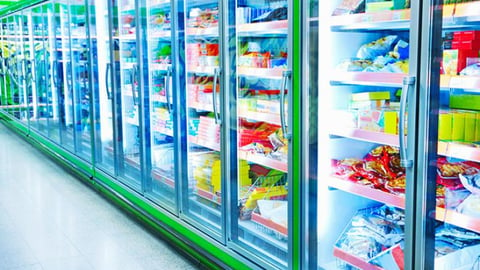
    An incentive program is in the works in California that would make it easier for food retailers to prevent harmful refrigerant emissions. If approved, the Refrigerant Incentive Program will be the beginning of the end of supermarkets’ struggles with endless refrigerant phase outs, regulations, and government refrigerant dictates.

    Where Does the Money Come From?

  • TreeHouse ready to branch out with more stores

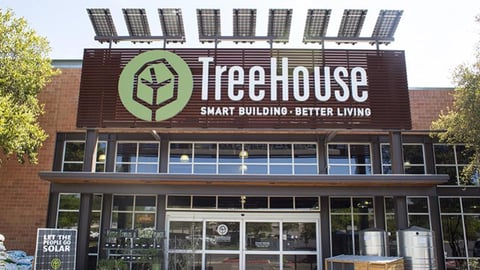
    A home improvement start-up with a green conscience and niche positioning is finally ready to expand out of its Austin, Texas, hometown.

    TreeHouse will serve as the anchor tenant at The Hill, a new North Dallas shopping center being revived, refreshed, and repositioned by Dallas developer, Cypress Equities. The store, which will be designed by Lake|Flato Architects, is slated to open in early 2017. It will be the retailer’s second location, but perhaps not for long.

  • Fast-growing Aldi enters big new market

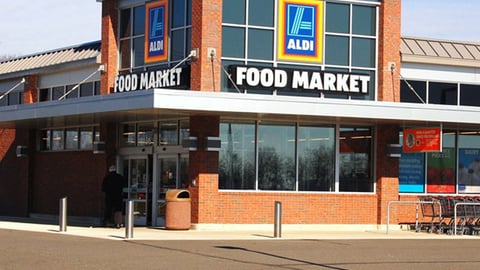
    Discount grocer Aldi will make its long-awaited California debut on March 24, with the opening of eight Southland stores. But that’s just the beginning of the company’s expansion plans for the market.

    In all, Aldi plans to open approximately 45 stores in Southern California by the end of 2016. The opening of Aldi in California is part of the company's five-year strategic plan to open 650 new stores across the nation. By the end of 2018, the grocer expects to operate nearly 2,000 stores.

  • Ahold USA is going 100% cage-free by 2022

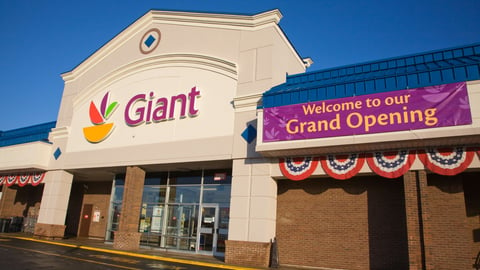
    Ahold USA is following a cue from other retail giants in announcing that its companies' private label shell eggs will be 100% cage-free by 2022.

    Ahold USA says its retail divisions – Stop & Shop, Giant Food of Landover, Giant Food Stores of Carlisle, Martin's and online grocer Peapod – now offer cage-free, free-range, organic, and traditional egg varieties for its customers.  Approximately 80% of all eggs sold among Ahold USA companies are sold as "Own Brands" or private label.

X
This ad will auto-close in 10 seconds