Amazon pilots ultra-fast delivery in two U.S. cities

Amazon is testing a service that offers deliveries in 30 minutes or less.
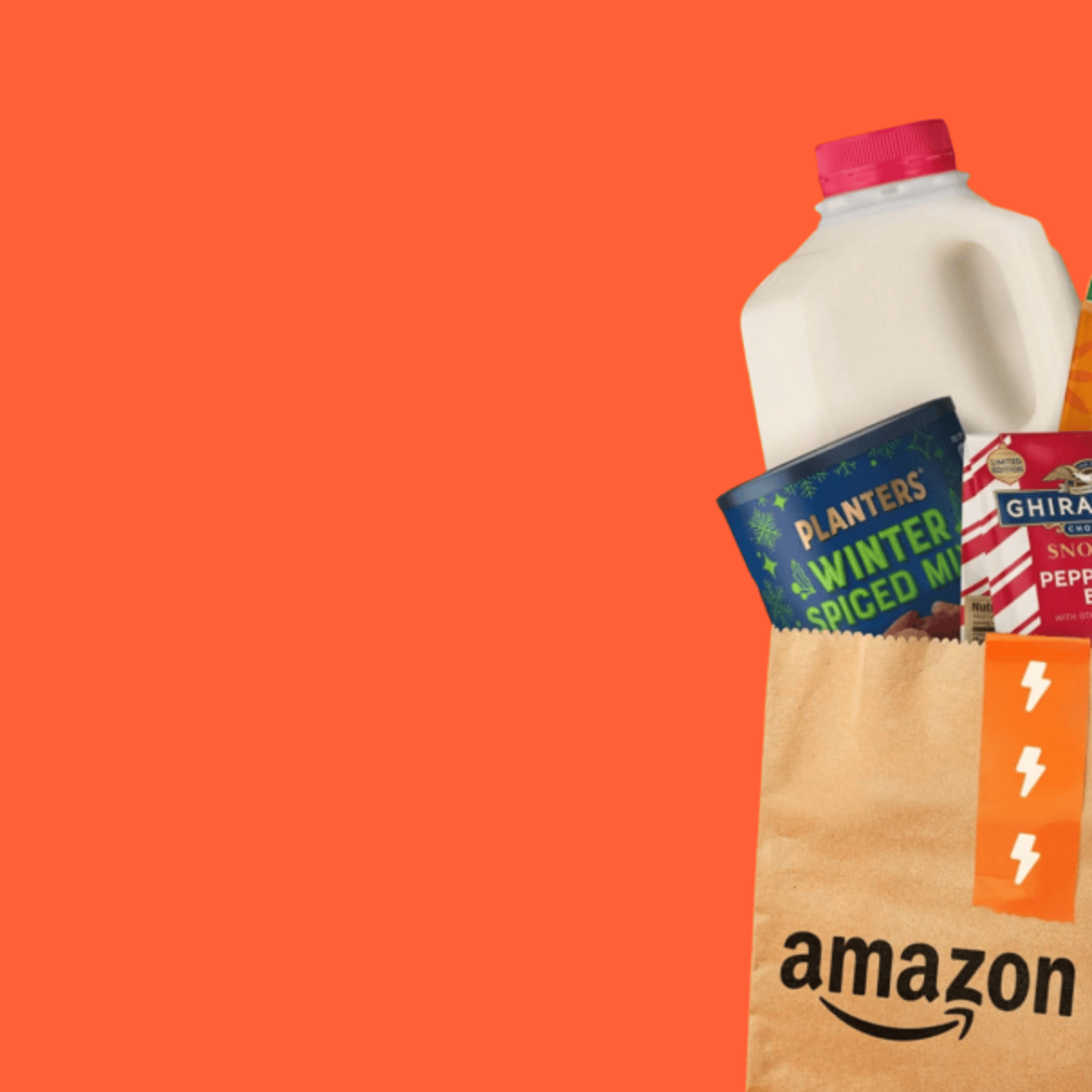
Following its rollout in India and the United Arab Emirates earlier this year, the Amazon Now ultra-fast delivery service has launched in part of Seattle and Philadelphia. It is Amazon’s fastest delivery service to date, delivering thousands of household essential items and groceries to customers’ doorsteps in about 30 minutes or less. The assortment includes products such as milk, eggs, fresh produce, toothpaste, cosmetics, pet treats, diapers, paper products, electronics, seasonal items, over-the-counter medicines, chips and dips.
Amazon Prime members can opt for the service for fees starting at $3.99 per order. THe pee perorder is $13.99 per order for non-Prime customers. A basket fee of $1.99 will apply to orders below $15.
[READ MORE: Amazon expands 15-minute delivery to United Arab Emirates]
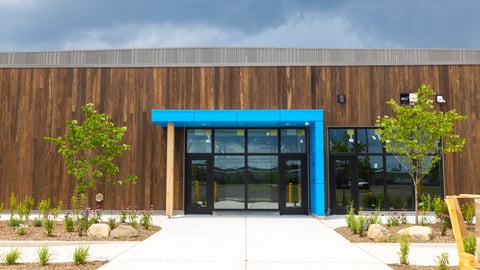
To support delivery in a compressed time slot, Amazon is utilizing specialized smaller facilities designed for efficient order fulfillment, strategically placed close to where customers in eligible markets live and work.
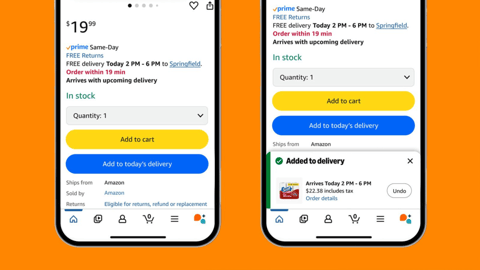
Amazon Now is part of the Amazon shopping app and website for customers shopping in eligible areas. Customers in the Seattle and Philadelphia areas can check the Amazon app and homepage and look for the "30-Minute Delivery" option in the navigation bar to learn if they have the service in their area. Customers can track their orders and have the option to tip their drivers.
Ultra-fast delivery services that focused on getting customers in densely populated urban areas in as little as 15 minutes or less, often supported by micro-fulfillment centers, began popping up in the U.S. a few years ago, but most failed to gain traction.
Companies such as Jokr and Buyk shuttered operations in the U.S. in 2022, with Philadelphia-based Gopuff a rare success story in the space. In addition, chief Amazon rival Walmart says it has completed more than 150,000 drone-based deliveries within minutes since 2021, and is also reportedly testing “dark stores” (which are used by Amazon) to help reduce delivery times.