Walmart expands regenerative agriculture partnership with General Mills

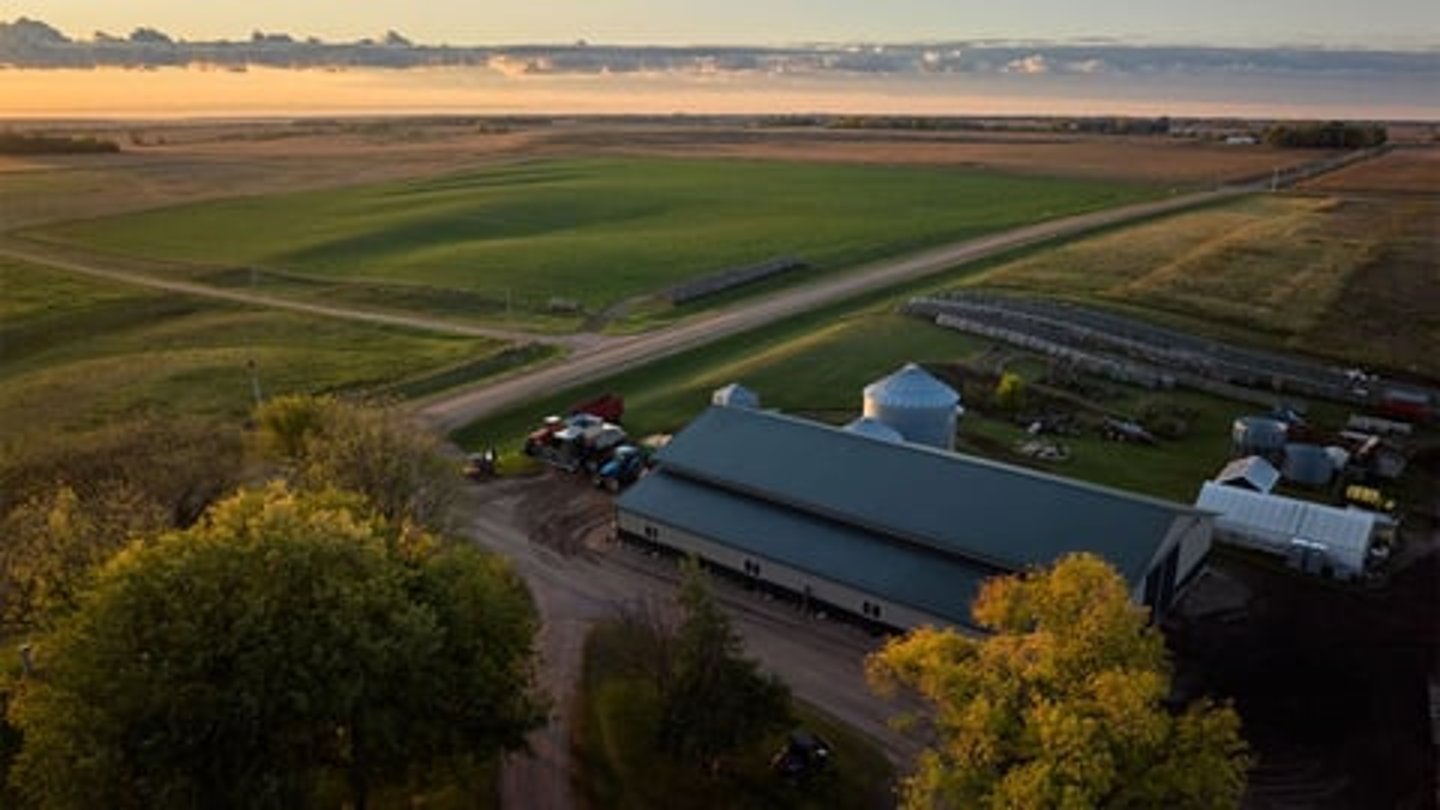
Walmart is accelerating an initiative to bolster more sustainable and profitable farming practices with General Mills.
The discount giant is building on a partnership it entered with General Mills in 2023 to adopt regenerative agriculture practices on 600,000 acres of land by 2030, representing the approximate number of acres the CPG manufacturer engages to source key ingredients for its products sold through Walmart and its Sam’s Club subsidiary.
[READ MORE: Walmart, General Mills announce regenerative farming partnership]
Regenerative agriculture is defined by the World Economic Forum as when farming focuses on improving soil health through methods including crop rotation and reduced plowing.
Walmart, General Mills and global agricultural supply chain manager ADM are now launching a strategic collaboration to adopt regenerative agriculture across 40,000 Midwest wheat acres in Illinois, Indiana and Missouri. This program focuses on key growing regions where General Mills sources wheat from ADM for products sold through Walmart and Sam’s Club.
“What makes this relationship and this project so unique is that we have taken a true shared value approach to it,” said Mikel Hancock, senior director, strategic initiatives, sustainability at Walmart Inc. “The key component is to be able to continue to make improvements while meeting the needs of farmers and driving economic resiliency within those farms for long-term supply resilience to deliver on what works for our customers and members.”
Initial projects, with technical assistance from non-profits American Farmland Trust and Ducks Unlimited, are intended to deliver demonstrable improvements in soil health, water quality and carbon sequestration. Facilitated on the ground by ADM, the program will provide farmers with technical assistance and financial incentives to adopt and incorporate practices like no-till and cover crops.
"This strategic collaboration with Walmart and ADM underscores the importance of collective action across the value chain, and we hope it inspires others to see what’s possible when companies invest together," said Jay Watson, senior director of sustainability at General Mills. "By focusing on the wheat-growing regions that support our shared business, we aim to strengthen the resilience of ingredients for our beloved brands like Pillsbury, Betty Crocker and Totino’s, while supporting farmer livelihoods and the health of our planet."
Based in Bentonville, Ark., Walmart Inc. runs 10,900 stores and numerous e-commerce websites in 19 countries. Sam’s Club is a division of Walmart Inc. and operates more than 600 clubs across the U.S. and Puerto Rico.