Value brands gain ground in apparel spending; resale and off-price outperform

Income alone no longer predicts apparel spending behavior as value-driven brands gain share even among higher-income shoppers.
That’s one of the findings of Consumer Edge’s “2026 Apparel, Accessories and Footwear Outlook Report,” which revealed that U.S. consumer spending in apparel declined modestly in 2025 (through Nov. 30) and underperformed overall consumer spending. Despite the pullback, value-driven brands continued to gain share, even among higher-income shoppers, a sign that income alone no longer reliably predicts how people shop for apparel heading into 2026, the report said.
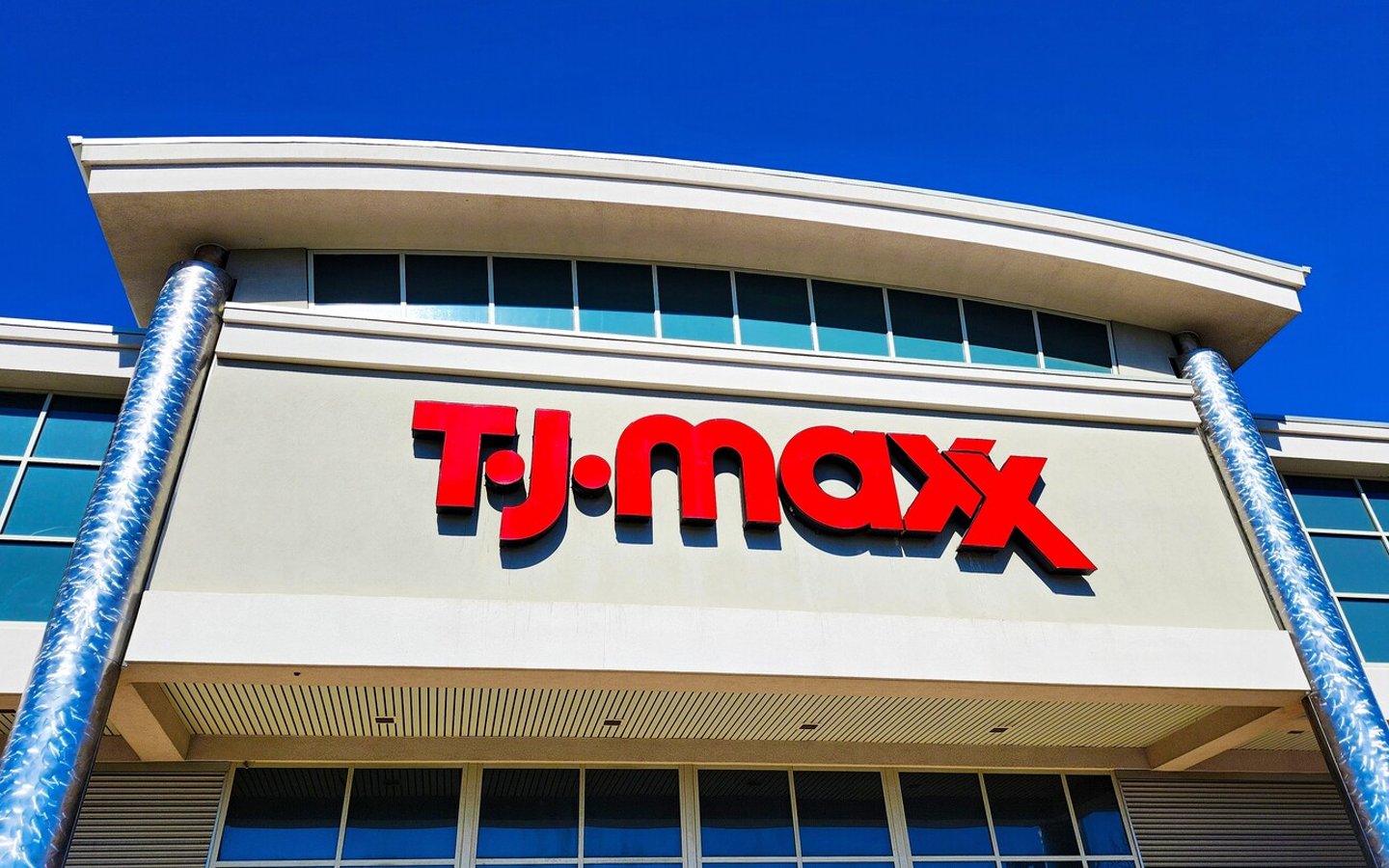
In other findings, resale and off-price continue to outperform. Consignment and thrift spending grew year-over-year, with Depop, Poshmark and The RealReal leading the charge. At the same time, off-price department stores, including T.J. Maxx, Ross and Nordstrom Rack continued to outperform traditional department stores.
The report also found that high-income shoppers are becoming more selective, pairing indulgence with smarter day-to-day spending. Many split their apparel purchases between quality essentials, trend-driven brands and off-price retailers. Within this high-income cohort, brands including Quince, Depop, Alo Yoga and Nordstrom Rack gained market share.
Additional insights from the Consumer Edge report are below.
•Younger Gen Z shoppers (ages 18 to 24) reduced their spending less than any other age group, favoring brands such as Coach, Depop, Béis and Shein, reflecting demand for culturally-relevant, trend-driven brands that balance affordability with aspiration.
•Millennial shoppers shifted their spending toward practical, value-led brands: Spending pullbacks were sharper among 25- to 34-year-olds, but brands including Quince, Uniqlo, Buck Mason and Depop gained traction as shoppers prioritized versatility, quality and value.
•Footwear and athletic apparel remain under pressure: Spending in the category remained soft, with larger, established players continuing to lose momentum while newer and more trend-driven brands captured incremental share.
•Luxury spending diverges across brands: Cartier stood out as one of the few single-brand luxury houses to gain share, while Gucci and Louis Vuitton continued to lose wallet share. Within the multi-brand luxury category, Mytheresa and Net-a-Porter gained share, while SSENSE declined amid its ongoing restructuring following a bankruptcy protection filing.
“What’s striking is that income alone is no longer a reliable predictor of apparel spending behavior,” said Michael Gunther, VP and head of Insights, at Consumer Edge. “Even higher-income consumers are becoming more selective, shifting spend toward brands that offer a clear value proposition – whether that’s quality, pricing, relevance or brand affinity. As we enter 2026, brands with a clearly defined customer and brand message will have an advantage over those taking a broad, one-size-fits-all approach.”
Gunther will present findings from the report at NRF 2026: Retail's Big Show on Tuesday, Jan. 13, at 11:30 a.m. ET on the Exhibitor Big Ideas Stage 1.