Survey: Most retail, hospitality employers prepared for worker organizing

Retail and hospitality employers are more prepared than other sectors when it comes to responding to unionization efforts.
More than a third (36%) of non-unionized employers say they are “not prepared at all” to respond effectively to union organizing activity, according to a new survey from Littler, the world’s largest labor and employment law firm. However, that figure drops to 19% for retail/hospitality employers.
Retail/hospitality respondents tended to be more prepared in most areas of potential unionization than the overall respondent base, such as conducting training for frontline managers/supervisors (76% for retail/hospitality vs. 52% overall). Still, only 27% of retail/hospitality employers have developed a strike or business disruption contingency plan, while just 21% have prepared strategic and economic analyses to assist with bargaining.
The majority of employers surveyed that do not have any unionized employees (85%) believe that if a union organizing drive were held today, less than 30% of their employee base would sign a union authorization card. Despite this, Littler says that many workers would at least consider joining a union.
Aside from pay and benefits, Littler found that the leading drivers for employee support of unionization efforts include work/life balance (38%), desire for input into business decisions (31%), and job security (29%), according to employers that have experienced union organizing over the past two years. Additionally, roughly half (49%) of respondents say that the growing number of Gen Z employees in the workforce has given rise to a greater desire among employees to have input into business decisions.
The survey data also shows that union leaders are increasingly using technology and digital platforms in the organizing process. A considerable percentage of employers that experienced organizing activity in the past two years saw organizers utilize mass electronic messages (41%) and social media campaigns (36%). The actual use of these tactics may even be higher, according to Littler, given that the survey results only reflect what respondents actually witnessed.
[READ MORE: Retail seasonal hiring to fall to lowest level since 2009]
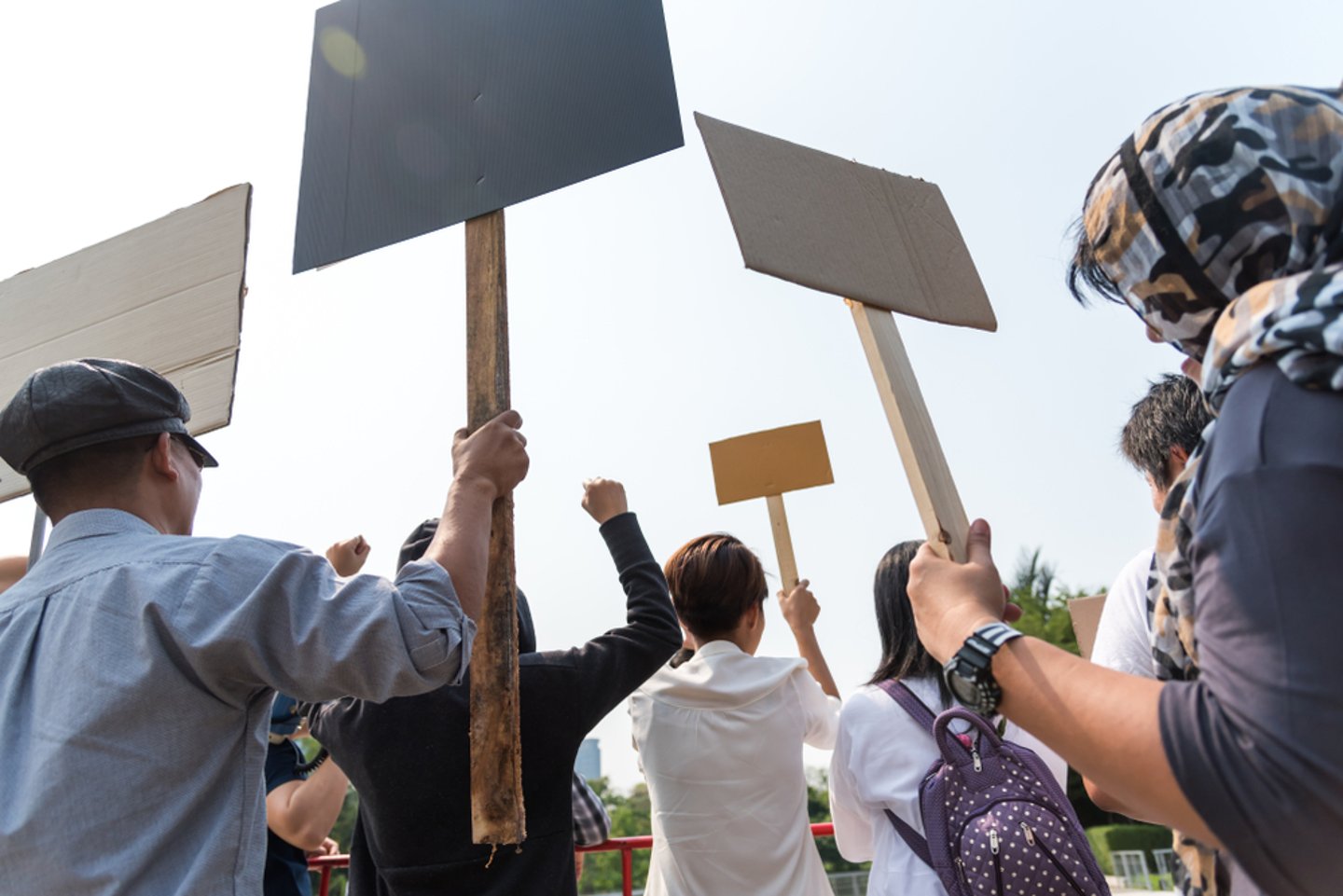
Nearly a quarter (23%) of those who experienced unionizing activity said organizers filed unfair labor practice charges with the National Labor Relations Board (NLRB) and 19% experienced public demonstrations, rallies or picketing, both of which were less common just a handful of years ago.
“Unions are devoting more resources to turning employee curiosity into actual support, targeting employees in industries that have not historically been receptive to their message, and using high-profile corporate campaigns and strikes to gain attention,” said Jonathan Levine, co-chair of Littler’s Labor Management Relations Practice Group. “This won’t change with a more management-friendly NLRB, but can be effectively addressed by employers who recognize that most employees still prefer a direct relationship with an employer that makes engagement a top priority as opposed to a talking point.”
For its 2025 Labor Survey Report, Littler surveyed 800 respondents, 42% of whom hold C-suite positions, including in-house lawyers, business executives, and HR professionals. Most respondents (93%) were based in the U.S., with the remainder serving at organizations with U.S. operations.