Survey: Consumers delaying large purchases until after Election Day

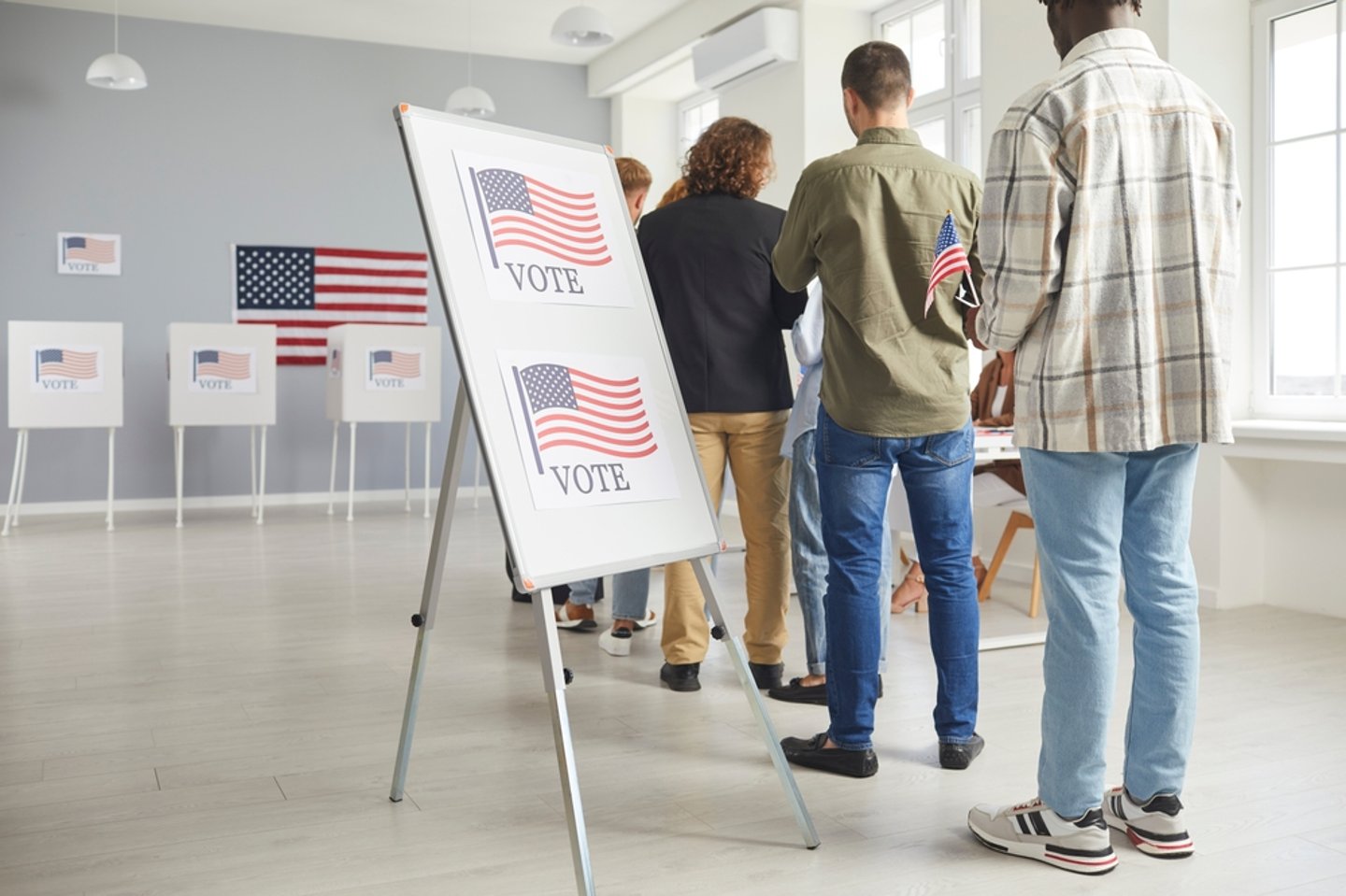
The upcoming midterm elections have Americans putting off large financial decisions.
That’s according to a new survey from cash back and shopping platform Smarty, which found that half (50%) of Americans have postponed a major financial decision due to uncertainty surrounding the economy and the looming November elections. The trend crosses political lines, as 57% of Democrats, 55% of independents and 43% of Republicans say they have postponed a major financial decision.
Twenty-six percent of those surveyed say they are postponing travel or vacation spending until after the election, while 25% are delaying a vehicle purchase and 19% are holding off on investing money. Eighteen percent are delaying a discretionary purchase of $1,000 or more. Buying a home (16%) and major home renovations (16%) are also among the activities being delayed until after election day.
Cost of living was the top voting issue among those surveyed, cited by 52% of respondents, followed by inflation at 45%. Other frequently selected issues include healthcare (26%), taxes (22%(, housing (19%) and immigration (18%).
[READ MORE: Mastercard Economic Institute: Holiday spending to rise 5.5% year over year]
On cost of living specifically, 31% of Democrats and 31% of Republicans identify it as the issue that would do the most to improve their personal finances, along with 27% of independents, according to the survey.
“Consumers don't necessarily stop spending when the outlook is uncertain, but they do become more deliberate about when, where and how much they spend,” said Vipin Porwal, CEO of Smarty. “We're heading into an unusual stretch where election uncertainty, persistent cost pressures and the start of the holiday shopping season are converging. For many households, the next few months may be less about spending freely and more about waiting for the right moment and making each dollar work harder.”
Despite consumers waiting to make big financial decisions, nearly four-in-10 (39%) expect the economy to stay about the same after the election, compared with 35% who expect it to improve significantly or somewhat. Twenty-eight percent expect it to get somewhat or significantly worse.
When asked whom they trust most to improve their financial situation over the next year, Smarty found that the top response was themselves at 33%, while 28% say they trust no one.
Only 11% put the most trust in the federal government, while 8% selected their state government.
“People may have very different views about what policymakers should do, but the consumer concern underneath those debates is remarkably consistent,” Porwal said. “Households are thinking about what groceries cost, what it takes to fill the tank, whether they can afford a trip and how far their paycheck will stretch. Those everyday calculations are increasingly connected to how consumers view the broader economy.”
The Propeller Insights survey commissioned by Smarty surveyed 1,019 U.S. citizens, 18 and over, across the U.S. in July 2026.