
Supreme Court rules on tariffs: What retailers should do now
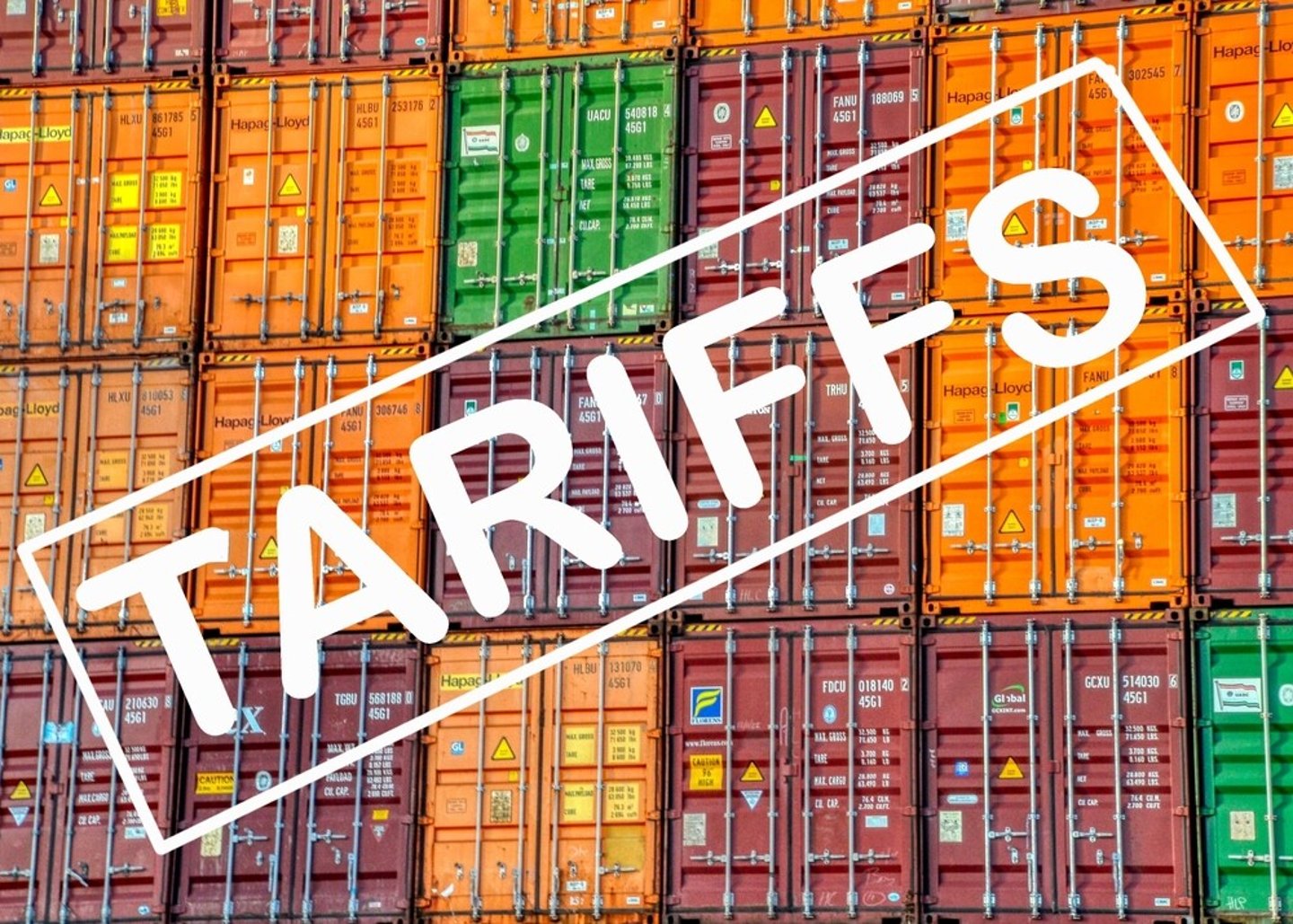
The Supreme Court’s decision to block this administration’s tariffs under the International Emergency Economic Powers Act (IEEPA) brought retail executives momentary perceived relief from duties that cost U.S. importers an estimated $175 billion in extra taxes.
But it didn’t last long. Within hours, the administration announced a global tariff (now 10%) on all imports under section 122. As one industry analyst told CNBC, the idea that the ruling would give retailers more predictability and lower costs is likely “a pipe dream.”
The question, then, is what executives should do next. Continue to raise prices? Change their sourcing strategies? Fight for refunds? Turn to new opportunities, like private labels? Below, we address these and other questions to help retailers plan for another volatile year ahead.
Where Retailers Stood Before the Supreme Court Ruling
How retailers responded to this administration’s tariffs in 2025 will shape how they navigate new policies in 2026. One clear effect of last year’s sudden tariff increases? Higher prices. Estimates from the Yale Budget Lab (YBL) reveal that, from January to November 2025, imported Personal Consumption Expenditure core goods and durable goods prices rose 1.0% and 1.3%, respectively — well above prior-year comparisons.
Retailers tried to absorb costs internally, but the sector’s high price sensitivity and thin margins, and the lead time to enact any sourcing strategy shifts (which many retailers are pursing) meant they had limited room to do so before harming profitability. As a result, most tariff costs were eventually passed along to consumers: through November 2025, the implied passthrough of tariffs to imported consumer goods prices ranged from roughly 31–63% for core goods and 42–96% for durables, according to the YLB.
Price increases didn’t happen across the board. Retailers were initially selective, based on a given product’s customer and price sensitivities. There was also a built-in delay, as retailers waited to see how competitors would react and leveraged on-hand inventory imported before tariffs took effect.
However, these selective price increases, particularly in the past few months, have resulted in poor consumer experiences and shifts in their purchase behavior. Per one December 2025 report, nearly eight in 10 consumers say they’ve changed their behavior because of tariff-driven price increases, with many responding by “delaying purchases, switching stores, buying in bulk, or turning to cheaper substitutes.”
What Happens Next: Higher Prices, Transactional Sourcing Models, Private Label Opportunities
With the new tariff policies even after the Supreme Court’s ruling, and continued tariff uncertainty expected through 2026, prices will likely continue to rise.
After all, retailers have already captured most available supply chain efficiencies, and sourcing from a new country can’t happen quickly — these shifts require fresh supplier relationships, vetting, product testing/quality control processes, and, consequently, long lead times (often 12 to 18 months).
That won’t necessarily mean retailers will stop trying. Yet constant switches in sourcing create new risks: namely, that decades of supply chain efficiency built via strategic partnerships will become more transactional in nature, which can reduce those efficiencies and further raise costs.
Another undesired outcome of increased cost pressure — particularly for highly price-sensitive products — may be the degradation of product quality as companies try to slash costs by engineering products with cheaper materials and lower specs. That may not be good news for the consumer, as they receive less value on their purchases.
Given the above, many retailers are exploring private label opportunities to control product specs and pricing and offer value options for price-sensitive shoppers. But seizing these opportunities isn’t so simple: private labels require more sophisticated inventory management, they need to earn customer trust, and must be able to compete with major national brands.
What Retailers Should Do Now: Four Tips
As retailers plan for another uncertain year ahead, they will do well to consider the following actions:
- Protect the customer relationship through targeted pricing: Price increases have proven to alienate customers, which means that segmenting consumers by price sensitivity — and making merchandising d cisions accordingly — will be key. Data analytics and new technologies can help.
- Keep pushing supply chain agility — within limits: Complexity and quality requirements constrain retailers’ abilities to rapidly switch suppliers, even as an evolving tariff landscape demands it. As a result, executives must take pains to manage product failure and liability, and to avoid suppliers who cannot meet expectations.
- Build More Meaningful Supplier Partnerships: Suppliers will be more willing to share in tariff costs if they can secure capacity. Larger, more meaningful supplier partnerships, with suppliers who offer country diversification, allow for the flexibility needed to manage uncertainty without becoming transactional.
- Track potential refunds closely and prepare documentation: Though several big names have now filed suits against the government, it remains to be seen whether retailers will actually receive refunds for the taxes they paid under last year’s tariff regime.
Proactively investing in comprehensive documentation and processes to reclaim these costs will ensure that they can do so if such mechanisms become available.
The Real Disruption Is Speed of Change
Ongoing uncertainty and the swiftness of trade policy changes are impairing retailers’ planning and efficient operations — even if the Supreme Court blocked last year’s IEEPA tariffs.
Shifting sourcing strategies may require investments in the supply chain that may take years to break-even. Businesses will be hard-pressed to justify these investments without sufficient certainty of a stable trade environment.
To prepare for another volatile year ahead, executives should take strategic actions now to balance cost-saving efforts with proactive measures to retain customer trust.

Ryan Poole and Murali Gokki are managing directors and co-leaders of BRG’s Retail Performance Improvement practice.