
Study: Returns, shrink totaled nearly $800B in 2025

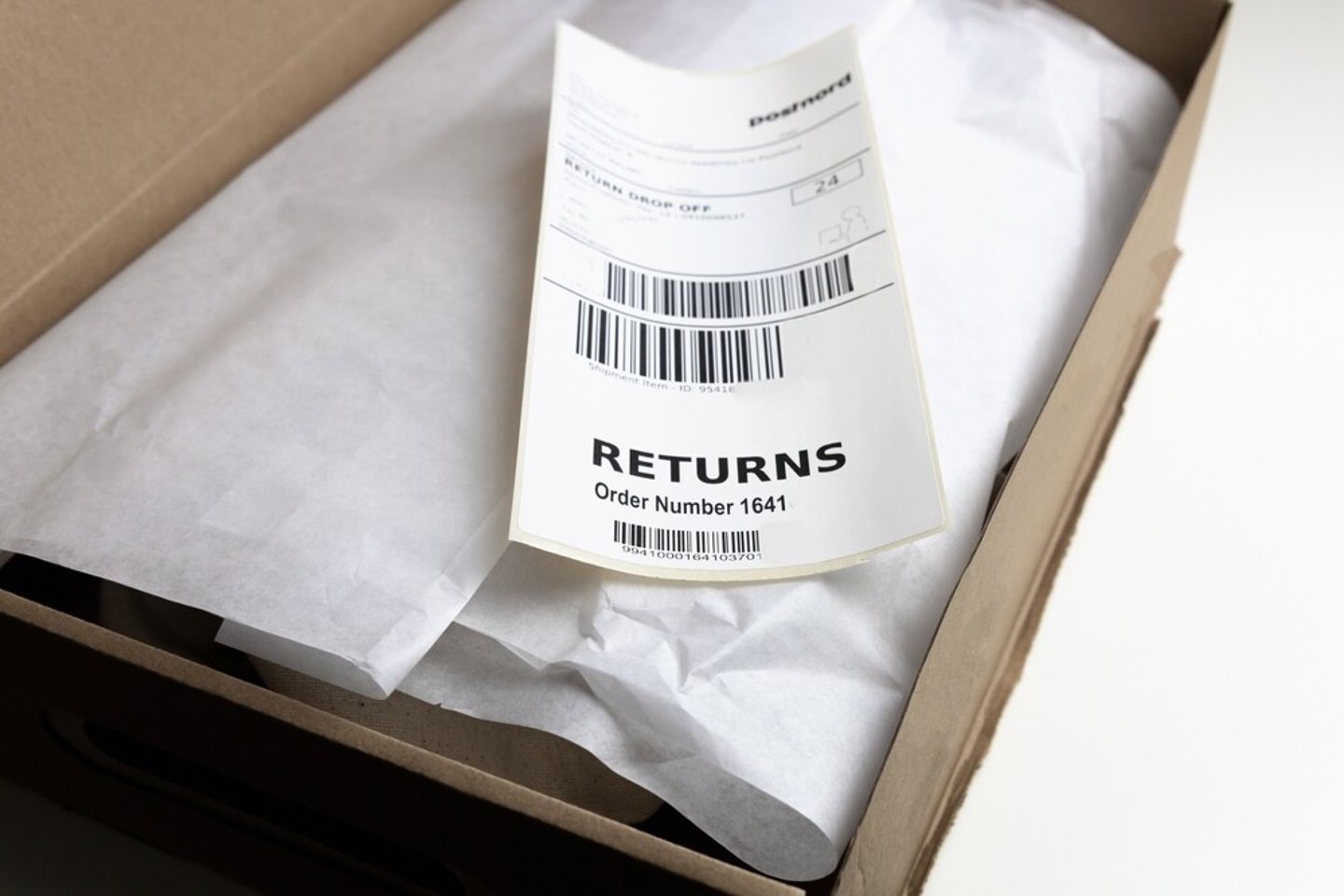
Return abuse, shrink and fraud took a heacy toll on retailers last year.
A total of $796 billion was lost to returns and shrink in 2025, according to the 2026 Total Retail Loss Benchmark Report from loss solution provider Appriss Retail. The report found that $706 billion in merchandise was returned in 2025, and of that total, 14.2% ($100 billion) was preventable loss from fraud and abuse.
Twelve percent of returns-related loss was attributed to returns abuse (excessive but legitimate returns, while fraud (fake receipts, stolen merchandise, etc.) made up only 2%. Last year, Appriss found that $90 billion in retail losses were due to shrink, 73% of which was preventable due to employee theft ($26 billion), inventory errors ($19 billion), operational errors ($12 billion) and organized retail crime ($9 billion).
[READ MORE: Exclusive: Return rates sharply increased during 2025 holiday season]
When it comes to returns Appriss provided a breakdown of the $706 billion in total returns:
- $367 billion (52%) from BISRIS (buy in-store, return in-store), still the dominant channel.
- $208 billion (29%) from BORIS (buy online, return in-store), representing the fastest-growing fraud and abuse vector.
- $131 billion (19%) from BORO (buy online, return online).
“Returns overwhelmingly power the majority of financial loss that retailers endure,” said Michael Osborne, CEO of Appriss Retail. “Every dollar lost to returns is a dollar straight off the bottom line. To stop the bleeding, leaders must look at returns, fraud, and shrink through the lens of Total Retail Loss, build a system of collaboration and implement cross-functional muscle. Retailers that continue to work in silos will continue to erode profits.”
The Appriss report also surveyed consumers on the importance of a good return process. Eight-in-10 shoppers say a good return experience boosts repeat purchase intent. Nearly three-quarters (73%) of shoppers (80% of frequent returners) made an extra purchase after a positive return experience.
When it comes to the use of AI in the return process, 80% of consumers in the survey want transparency in how AI makes return decisions. Seven-in-10 ( 71%) trust human associates more than AI for approvals. Only 10% trust AI outright.
For its 2026 report, Appriss surveyed more than 1,000 consumers and analyzed in-store and online returns across 250 million unique customer identifiers.