Study: Discount grocers losing market share to specialty chains

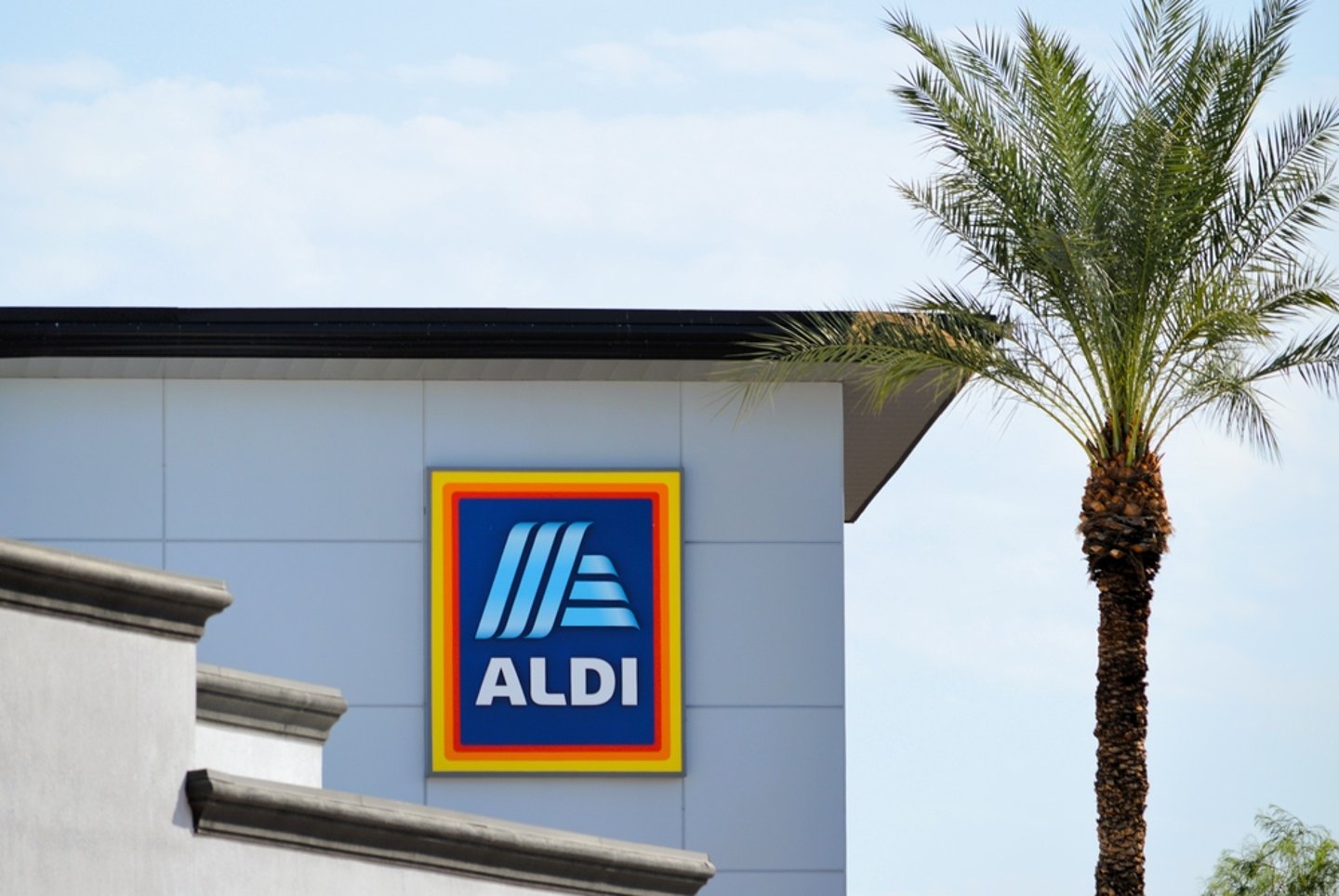
Despite inflation continuing to impact consumer spending, discount grocers appear to be losing some share of the overall market.
That’s according to a new report from Consumer Edge, which analyzed transaction data from discount, specialty and traditional grocers. Discount grocers, the category that includes Aldi, Lidl, Food 4 Less and Grocery Outlet, captured trade-down traffic from traditional supermarkets in every income tier across recent years. However, the trend has slowed.
Discount grocery gains peaked in the second and third quarters of 2024 at roughly 0.7 to 0.8 points across low and middle income shoppers and 0.5 points at high income shoppers, then decelerated every quarter. In the first quarter of 2026, all three went negative, with the low income group falling hardest, at negative 0.2 points.
Shoppers aged 18 to 34 began the period at 12.3% (discount share of U.S. grocery spend), below the 12.7% recorded by those aged 35 to 54, and ended at 15.3%, more than a point above the middle cohort and roughly three points above the 12.1% recorded by shoppers 55 and over.
Gains for the 18 to 34 group topped 1.6 points in the second quarter of 2024 against 0.4 points for 55 and over, then faded across 2025. Shoppers 55 and over went negative first and stayed there through the second quarter of 2026, according to Consumer Edge, while the 18 to 34 group turned positive again in the period at roughly 0.2 points.
Meanwhile, specialty grocers, which includes Trader Joe's, Whole Foods, Wegmans, Sprouts, The Fresh Market and Natural Grocers, is the only format in the data that added share in every quarter, every income tier and every age cohort. Consumer Edge said the growth is consistent with a subset of “value-oriented consumers gravitating toward a differentiated value proposition rather than compromising on quality.”
[READ MORE: Placer.ai: Retail giants continue gaining share of store visits]
High-income households moved from 15.9% at specialty banners in the fourth quarter of 2022 to 17.2% in the second quarter of 2026, while middle income households moved from 8.5% to 9.4%, and low income ones from 7.0% to 7.7%.
Traditional supermarkets, which includes Publix, Safeway, Kroger and Albertsons banners, hold roughly three quarters of U.S. grocer spend in the panel. Consumer Edge noted the sector remains “caught in the middle of the value split.”
Losses in spending share have even by income. Low-income share fell from 78.6% in the fourth quarter of 2022 to 76.8% in the second quarter of 2026, while middle income share dropped from 77.8% to 75.8%, and high income share dropped from 74.2% to 72.2%.
“The trade-down is over as a share story, not as a consumer condition, because the reversal in discount grocer share describes where dollars moved rather than household budgets easing,” noted Consumer Edge. “Consumers are still gravitating toward value, but what value means to them has moved again.”