
Study: Consumers largely in favor of body-worn cameras in stores — here’s why
Shopping in-store was once somewhat of a luxury. But increasingly, retail environments have become a flashpoint for frustration, theft, and even the occasional meltdown we later find ourselves cringing through on social media.
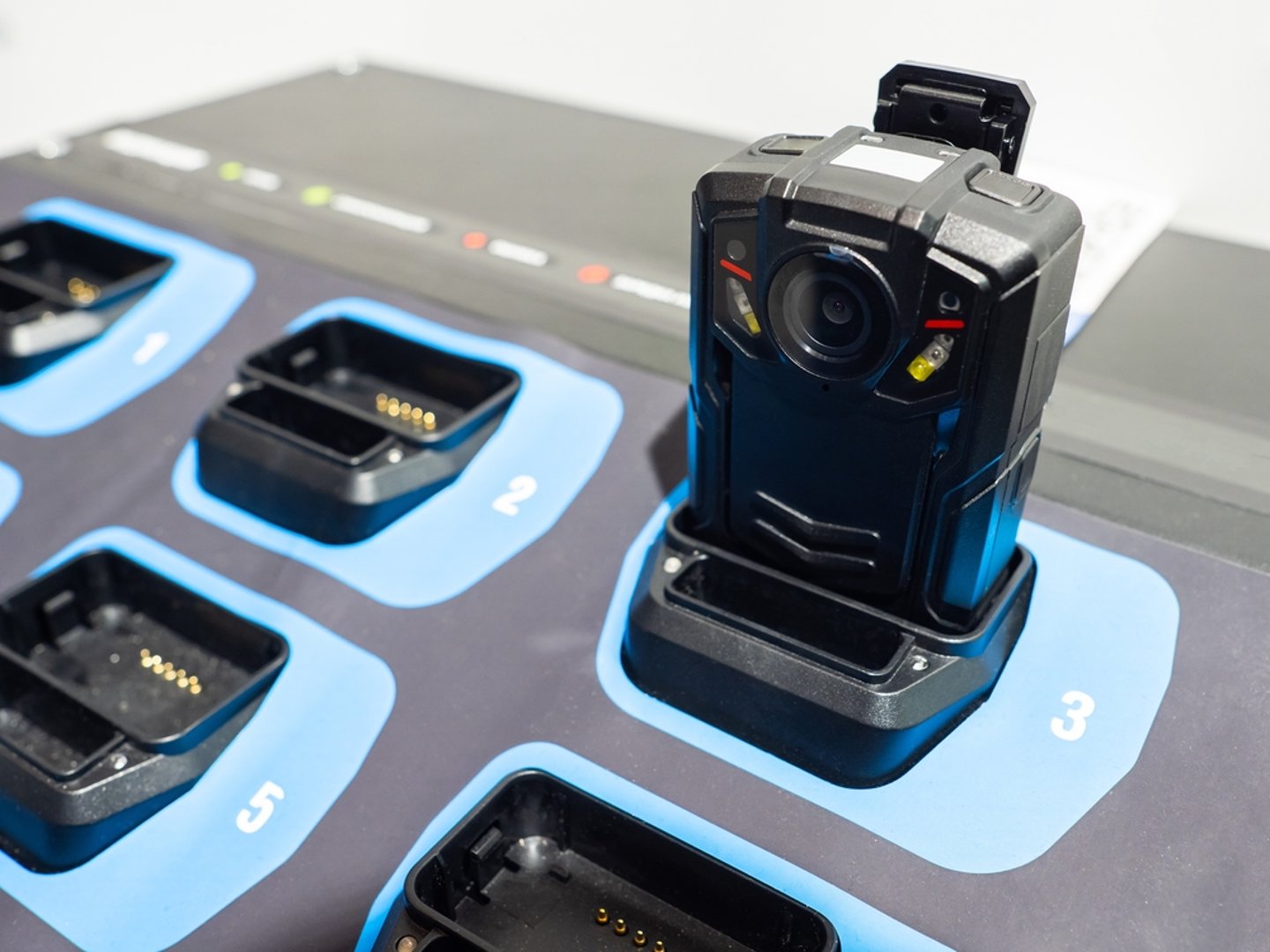
As customer incivility rises, frontline workers often bear the brunt of the bad behavior. Retailers are responding with a growing arsenal of safety and security measures. Among them are body-worn cameras. Once reserved primarily for law enforcement, body cams are now showing up more commonly in retail environments as companies deploy new tools to deter crime and protect their people and property.
Public opinion
To understand how Americans feel about the growing presence of body-worn cameras, Halos recently commissioned global research firm YouGov to survey public sentiment. The findings provide important context for retailers weighing whether this technology might be a suitable addition to their safety toolkit.
The research indicated:
- More than 70% of respondents are comfortable with, or indifferent to, the growing
prevalence of body-worn cameras. - Sixty-two percent agreed they believe body-worn cameras can help deter negative behaviors like theft or aggression toward employees.
- Forty-four percent admitted they would think twice about their own behavior if they knew staff were wearing bodycams.
The takeaway is that consumers largely recognize the role body-worn cameras play in enhancing safety and increasing accountability for shoppers and store employees, alike. And most people see body cams as part of modern life rather than an intrusion on their privacy.
Why this matters now
This is especially timely now, as retailers head into peak season – a period that consistently brings both opportunity and heightened risk. Body cams have the potential to be a crucial part of loss prevention and safety strategies.
Beyond theft, peak season brings a swell of customer traffic that can cause tensions to flare. Long lines, competition for certain inventory, and the general pressure of holiday shopping can make for high intensity moments. Emotions can run high — and when they do, having extra eyes on the scene matters.
For store associates, knowing that their interactions are being documented by body-worn cameras can provide reassurance, while also serving as a deterrent for would-be aggressors.
From trial to trend
Several major retailers are already trialing the technology. H&M announced in July it was testing body cams to reduce theft and abuse of its staff by customers. The global chain joins a growing list of retailers worldwide exploring how body cams might fit into their organization's safety framework.
This interest reflects a wider reality: body-worn cameras are no longer perceived solely as law enforcement tools, according to the YouGov study. Nor are they perceived as a tool businesses use to monitor staff performance or increase control and surveillance over workers.
Rather, the top three reasons Americans stated they believe businesses are deploying bodycams are to:
- Deter theft or criminal behavior (48%). Just as fixed security cameras in stores help monitor activity, body-worn cameras provide accountability and transparency at the employee level. Associates facing hostility feel more supported knowing there’s a record of what transpired, and the cameras capture more nuanced detail – including audio – than CCTV.
- Gather video evidence in case of disputes (39%). In the event of theft, harassment, or other incidents, footage from body-worn cameras provides critical evidence for internal review or law enforcement. This footage plays a critical role in case building and avoiding any "he said, she said" back-and-forth.
- Protect staff from verbal or physical abuse (33%) Body cams don't just protect staff from verbal or physical abuse; they can deter it from happening in the first place. This de-escalation and deterrent effect is a tremendous value-add for teams using the technology.
Meeting the moment
The retail industry stands at a crossroads. On one hand, the sector continues to innovate in creating experiences that delight customers like experiential stores or virtual try-ons enabled by AR/VR. On the other, it faces sobering challenges of theft, safety, and customer incivility that directly impact the bottom line and employee wellbeing.
The YouGov research underscores that the public is largely supportive of body-worn cameras as part of the solution. While not a cure-all, bodycams offer retailers an added layer of visibility and accountability. By considering this technology thoughtfully — balancing security needs with transparency around how it's used — retailers can make meaningful progress toward safer stores, stronger frontline support, and a better experience for everyone who walks through their doors.

Alan Ring is CEO of advanced body camera technology firm Halos.