Store brands continue growth as national brands stall

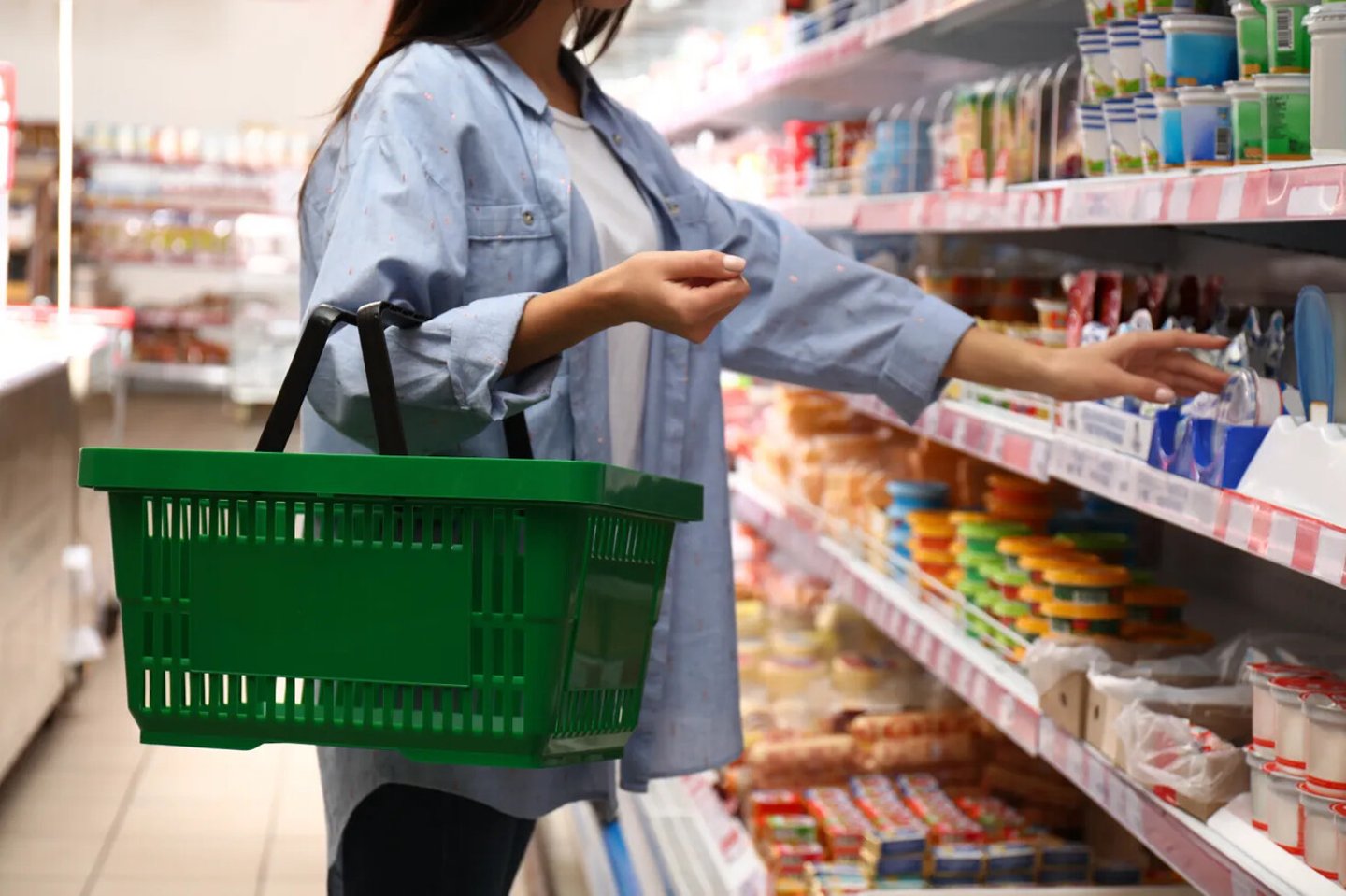
Inflation-weary American shoppers continue to opt for store brands for groceries and other household essentials.
Store brands continued to strengthen their position in the marketplace during the first half of 2026, outperforming national brands in the industry's most important metric — unit sales, according to a report by the Private Label Manufacturers Association (PLMA). Amid a “low growth” U.S. market, store brands managed to finish ahead of their national brand competitors in unit sales in five of Circana's six monthly reporting periods so far this year. (Circana is PLMA's exclusive data provider.)
For the six months ending June 14, store brand unit sales increased 0.2% while national brand unit sales declined 0.5% versus the same period last year; a spread of 0.7%. Store brand unit market share rose to 23.8%, an all-time high, according to Circana. (Unit sales indicate the sum of products sold while dollar sales represent the total revenue generated by products.)
Store brand unit sales are doing well in food and nonfood categories across the store. For the 52-week period ending June 14, in 166 food categories where store brands are sold, 52% experienced private label unit growth. In 164 nonfood categories where the products are available, 39% recorded private label unit growth.
Among departments tracked by Circana, pet care was the clear leader in store brand unit growth, up 4.8%, for the 52 weeks ending June 14; followed by beverages (+1.8%) and refrigerated (+1.5%).
Dollar Sales
In dollar sales, store brands were flat year-to-date while national brands tacked on 2.2%. Store brand dollar share came in at 21.2%, just off its all-time high. (Dollar sales are viewed by some experts as a less significant measure of store brands health than unit sales due to the varying impact of tariff policies and national brand pricing practices.)
“The disconnect between unit sales and dollar sales reflects, in part, fluctuating national brand pricing,” said Peggy Davies, PLMA President. "While some brands are lowering prices to regain consumers who have shifted to private label, others are increasing prices to offset higher fuel, raw material, ingredient and supply chain costs.”
Unit sales remain the best measure of consumer choice, according to Davies, adding that Circana's midyear results — including a record 23.8% unit market share for store brands — “underscore the continued strength and growing appeal of private label."
In related findings, a Zappi survey found consumers who say they only buy national brands dropped from 21% to 10% in less than a year. And more than 90% changed their shopping behavior because of rising costs.
The PLMA is a non-profit trade organization founded in 1979 to promote the store brands industry worldwide.

