
Q&A: Crunch Fitness president talks expansion plans, gym category trends

Fitness chains are proving to be a key asset for property owners looking to diversify their mix of tenants and attract consumers throughout the day.
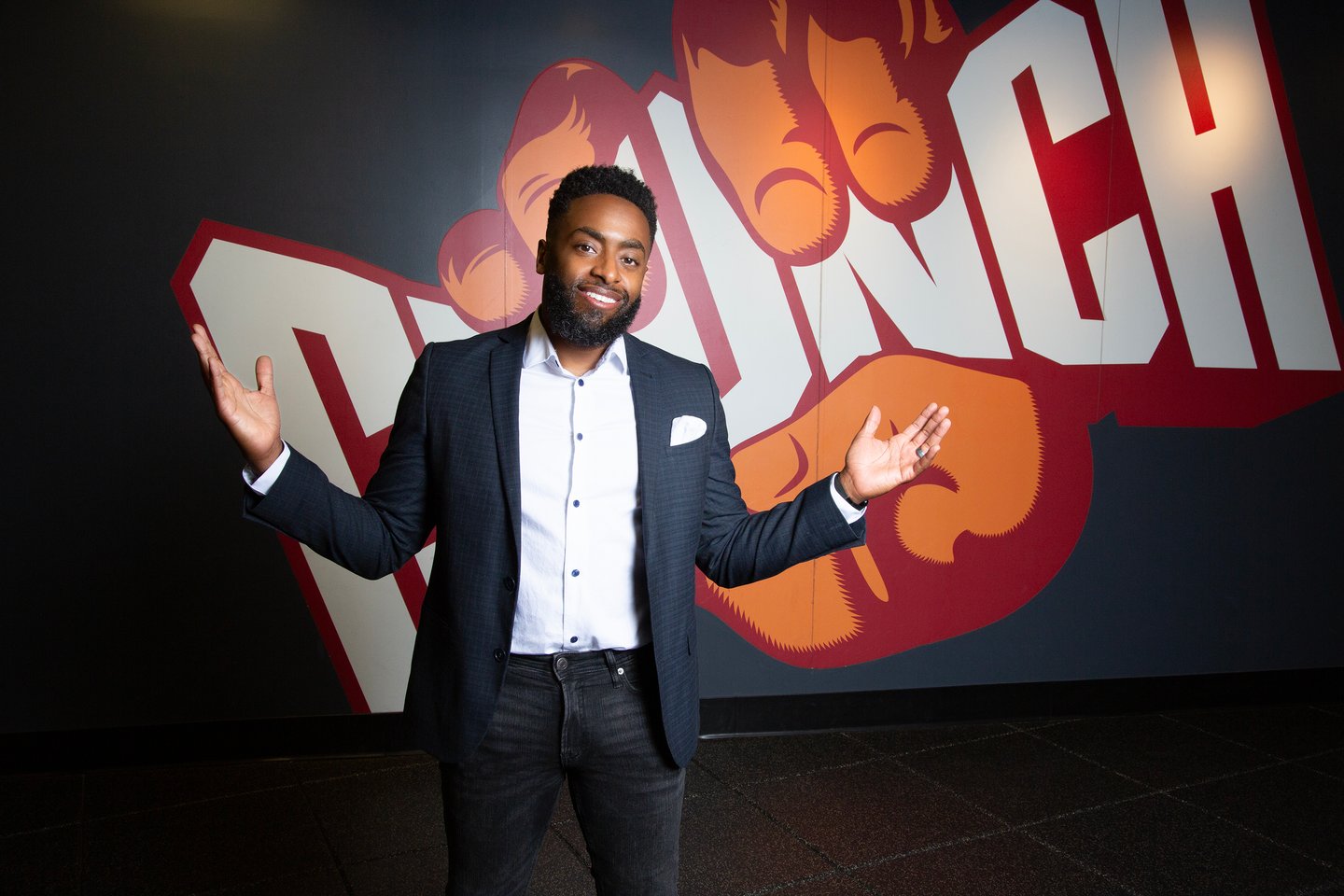
To learn more about how the category is growing its retail center footprint, Chain Store Age spoke with Chequan Lewis, president of Crunch Fitness, about consumer trends and how the company is growing its share of the fitness market.
Describe the "health" of the fitness category when it comes to physical expansion. What are Crunch Fitness' expansion targets for 2026 and the longer-term future?
The fitness category is thriving right now — and honestly, the numbers back it up. In 2025 alone, Crunch signed approximately 4.27 million square feet of space, which is a 48% jump from 2024, according to CoStar. That kind of growth doesn’t happen by accident. People are genuinely prioritizing their health, and we’re seeing that demand show up in markets all over the country.
For 2026, we’re targeting around 100 new locations — domestically and internationally. There’s still so much room to grow, and that excites me. More communities around the world are actively looking for accessible, high-quality fitness options, and Crunch is in a great position to answer that call.
What’s also really exciting is how multi-unit development and portfolio expansion are taking off across the industry. Operators who know how to use data — things like predictive analytics for site selection — are the ones scaling fastest. That’s squarely in our wheelhouse.
What types of properties is Crunch looking to expand into?
We think a lot about how people actually live their lives. The best Crunch locations are the ones that slot right into a member’s existing routine — near grocery stores, discount retailers, everyday service businesses. Affordability, convenience, efficiency — that’s what people want, and our site selection is built around that.
Grocery-anchored centers are a perfect example. Our peak hours are 5 to 6 p.m., which lines up naturally with post-work shopping trips, so both Crunch and our co-tenants benefit from the same foot traffic.
[READ MORE: Fitness chains beef up at retail centers]
One of the most exciting things happening in fitness real estate right now is adaptive reuse. We’re converting second- and third-generation retail spaces into gyms, and it makes so much sense — lower build-out costs, already in high-traffic locations, and familiar to the consumers we’re trying to reach. It lets us move faster and smarter.
What about markets? What does the company look for when entering a new area?
When we look at a new market, we’re asking a few key questions: Is there real, long-term demand for accessible fitness here? Can we deliver the Crunch experience at the standard our members expect? If the answers are yes, we’re interested.
We’re also evolving how we show up for members beyond the four walls of a club. App-based engagement, virtual workouts — we’re meeting people where they are. The physical and digital experience working together is what lets us keep scaling without losing that connection to our members.
India is a great example of this in action. We saw one of the fastest-growing fitness markets in the world with surging demand for quality options — so we expanded there in 2025. That’s the kind of move we’ll keep making: markets with strong economic conditions, franchising infrastructure and real room to grow.
How do changing consumer trends surrounding fitness impact Crunch's planned growth?
There’s a real shift happening in how people think about fitness — it’s much less about quick fixes and much more about building strength, mobility and long-term health. Strength training is leading the charge. Our own data shows a 36% year-over-year increase, and it’s driving the highest attendance of any group fitness category we offer. That tells us a lot. Members are also taking a much more holistic approach — blending different training styles with recovery, not just showing up to sweat and leave. That combination is becoming the new baseline expectation.
All of this shaped how we developed Crunch 3.0. It’s our reimagined gym concept built around how members actually want to train today — more space for strength and functional training, plus our Relax & Recover wellness studio built right into the layout. Every new club we open is designed with this in mind.
How do trends impact store design and fitness features (saunas, training rooms, etc.) at each location?
What members want from a gym has changed, and our design has to reflect that. We’re not just building workout spaces — we’re building full wellness destinations.
Recovery is a big part of that. Members want a 360° wellness experience, and our Relax & Recover amenities in Crunch 3.0 deliver exactly that — Hyperice percussive and compression equipment, red light therapy, infrared saunas. These aren’t add-ons; they’re core to what the modern gym experience should feel like.
On the training floor, we’re giving more square footage to strength and functional training and pulling back on dedicated cardio space. The data drives that decision — members are telling us what they want, and we’re listening.
Our designs are intentionally flexible, allowing current studios or training zones to be repurposed for multiple functions later, so each club can meet the evolving needs of its members over time. The goal is to make every Crunch gym check-in a complete experience that helps people train, recover and feel energized under one roof.