Q&A: CBRE's Ebere Anokute details AI's impact on retailers' fulfillment, store strategies


While the growing use of artificial-intelligence driven e-commerce is changing the overall retail landscape, brick-and-mortar stores will remain central to consumers’ shopping experience this holiday season.
According to the National Retail Federation’s annual holiday forecast, retail sales in November and December will grow 4.2% from the same period in 2025, translating to total spending of $1.013 trillion, and much of that spending will happen at stores. A recent ICSC survey found that more than eight-in-10 (84%) Thanksgiving weekend shoppers plan to shop at a physical retail store, the highest level recorded by the group since 2019.
To learn more about how retailers are shifting their brick-and-mortar operations and strategies in accordance with the rise of AI, Chain Store Age spoke with Ebere Anokute, U.S. head of retail research at CBRE.
How is e-commerce growth changing the role of physical stores, and how has the use of AI tools impacted this growth?
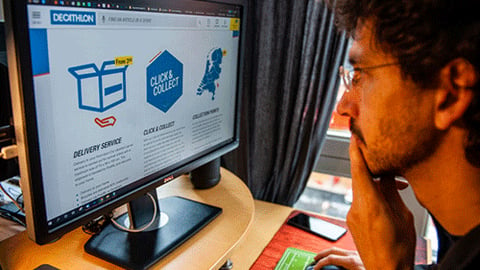
E-commerce growth has encouraged the improvement of omnichannel fulfillment strategies and has allowed stores to serve a dual role as fulfillment centers, all of which is meant to cater to the high level of convenience that shoppers have come to expect in today’s retail landscape.
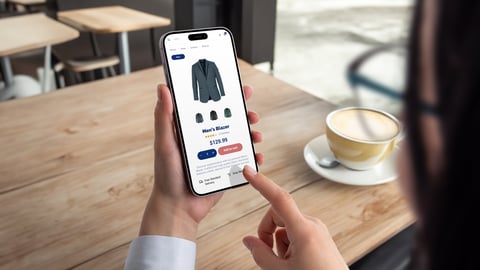
The impact of AI tools has been difficult to directly quantify thus far, as we are still in the early stages of its advent, however it can be said that better and more personalized recommendations, as well as the expert navigation of retailers’ websites as a result of AI usage, should make conversion easier and result in sales growth, specifically from e-commerce orders.
How has AI changed omnichannel retail strategies, and have those strategies evolved as more data has been gathered since AI began being leveraged?
AI has impacted omnichannel retail strategies on both ends of the spectrum. These advancements are making it easier for customers to navigate retailers’ websites to locate and purchase the products they are looking for and are also allowing retailers to better optimize their in-store offerings in line with customer preferences, which they are using AI to uncover.
Retailers have an immense amount of data at their disposal and are still discovering new ways to leverage AI in service of analyzing that data and using it to better cater to their customers. Considering that the vast majority of retail sales (~83%) occur in physical stores, we know that sales growth as a result of AI-assisted shopping is being reinvested into retailers’ physical store fleets, in the form of new store locations, enhanced in-store offerings, and intelligently enhanced product assortments.
How does store-based fulfillment influence retail site selection strategy, and how has AI impacted this?
Store-based fulfillment is certainly changing the game when it comes to site selection, as retailers are able to utilize their locations as fulfillment centers, which means it’s not as necessary for them to be located in the prime retail corridors or premier shopping centers, where rents are continuing to rise as a result of severe supply constraints across the country.
AI has impacted this by allowing for smarter navigation of retailers’ websites and ultimately driving conversion and sales growth, allowing retailers to reinvest these profits into expanding their store fleets to access as many customers as possible.
What are you looking at when it comes to how retailers plan to leverage AI for e-commerce and fulfillment needs with the holiday season around the corner?
I’m expecting to see many retailers ramping up their AI agents to help shoppers more easily navigate their websites, and to also do better at recommending products for individuals who are looking for gifts for loved ones but may not be sure where to start.
This will help shoppers to find exactly what they need and lead to great conversion rates, ultimately resulting in sales growth and a strong holiday spending season.